




Whole ingredient dog food sounds obvious, but we've seen plenty of labels hide behind vague meat terms and filler. That's where you usually spot the fallout: weird stools, extra gas, a coat that never quite looks right.
What matters is simpler than the bag makes it seem. Look for named proteins, recognizable ingredients, and gentler processing so your dog can actually use what's in the bowl.
Start here:
- Named meat first, not vague protein terms.
- A short label you can read without decoding additives.
- Food your dog digests cleanly, so you stop guessing.
What Whole Ingredient Dog Food Really Means
If you’ve looked at enough dog food bags, you know the problem. Everything sounds healthy. Premium. Natural. Holistic. Clean. By the time you finish reading the front panel, you still may not know what’s actually in the food.
When we talk about whole ingredient dog food, we mean something more concrete: recipes built around recognizable ingredients your dog’s body can identify, digest, and use. Real meat. Fruits and vegetables you can name. Natural ingredients. Fewer inputs that feel like they came out of a factory meeting instead of a kitchen.
That usually overlaps with terms like real ingredient dog food, clean ingredient dog food, and minimally processed dog food. But packaging language isn’t standardized in a way that helps owners much. Two brands can use similar language and mean very different things in the bowl.
A practical filter helps:
- Named animal proteins instead of vague meat terms
- Visible, recognizable produce ingredients
- Natural ingredients over long lists of hard-to-interpret additives
- A formula that feels built from food first, not fortified filler first
That’s different from marketing language like premium or holistic. Those words can sound reassuring without telling you much about ingredient quality or processing. We’ve seen plenty of foods that talk beautifully and read poorly once you get to the ingredient panel.
It’s also worth saying what whole ingredient dog food is not. It’s not automatically raw. Not automatically grain free. Not automatically homemade. Those are separate decisions, with their own tradeoffs.
The goal here isn’t trend-chasing. It’s simpler than that.
Better food should look more like nourishment and less like an engineered shelf product.
That’s the real question underneath all of this. Not what sounds best on the bag. What actually supports your dog’s gut, immune system, and day-to-day vitality.
Why Gut Health Drives Immune Resilience
A lot of owners still think of the gut as a digestion-only issue. If stools are mostly fine, they assume the system is fine. In practice, the gut does far more than move food through.
Your dog’s gut helps break down nutrients, absorb them, maintain the gut barrier, and coordinate immune signaling. A large share of immune activity is tied to the gut, which is why digestive health is never just a side topic. It’s central.
This is also why gut problems often show up in ordinary ways first. Not crisis-level symptoms. Small patterns that keep repeating:
- Inconsistent stools
- Gas that wasn’t there before
- Bloating after meals
- Reduced appetite
- Lower energy
- A dog that simply doesn’t seem to thrive
That last one matters more than people think. Sometimes nothing looks dramatic on paper, but the dog just isn’t settling into a strong baseline. The coat looks a little dull. Recovery after activity feels slower. Meals feel hit or miss.
Poor digestion can affect the outside, too. Skin and coat health depend on the body actually using the nutrients in the food. A long nutrient panel doesn’t guarantee much if the formula is hard to digest or the dog isn’t absorbing it well.
We tend to frame immunity the wrong way. People wait until a dog seems run down, reactive, or unwell. But immune support is built every day through digestion, absorption, and microbial balance. Quiet systems matter most when nothing dramatic is happening.
A food that your dog can’t use efficiently is expensive optimism.
What Research Suggests About Whole Food and Immune Function in Dogs
The research here is still developing, but some findings are worth paying attention to because they line up with what many owners are trying to solve in real life.
In one healthy-dog crossover trial, dogs were fed a whole food diet and an extruded dry diet during two feeding periods. The dogs on the whole food diet showed a lower ratio between a pro-inflammatory marker and an anti-inflammatory marker, along with higher production of one immune-signaling molecule when their cells were stimulated.
In plain language, parts of their immune activity appeared to shift in a potentially favorable direction.
That doesn’t mean every marker changed. It didn’t. The same trial did not find differences across all inflammation markers or all innate immune measures. That’s important. Credible nutrition conversations should leave room for nuance.
What the study suggests is not magic. It suggests direction. Diet quality and format may influence immune signaling in ways that matter, even if the effect isn’t universal across every measurement.
Separate research comparing dogs fed raw meat-based diets and kibble found differences in fecal microbiota composition and dozens of serum metabolites. That tells us diet pattern can meaningfully shape gut ecology and metabolism. Food doesn’t just provide calories. It changes the internal environment.
Another study found that when dogs were switched from kibble to raw, the gut microbiota shifted rapidly. But those dogs still did not become microbiologically identical to wolves. That point matters because too much dog food marketing still leans on wolf mythology.
Dogs are dogs. They are not wolves living in your kitchen.
So what’s the practical takeaway?
What this means for feeding decisions
A few things are clear enough to use:
- Food format matters
- Ingredient quality matters
- Less processed, whole-food approaches may support healthier gut and immune patterns
- You do not need to jump to extremes to move away from ultra-processed feeding
That last point gets missed. A more thoughtful bowl doesn’t have to mean raw-only, homemade-only, or all-or-nothing. For most owners, the better decision is the one they can feed consistently and confidently.
How Minimally Processed Dog Food Compares With Standard Kibble and Raw Diets
This is where a lot of smart owners get stuck. They know standard kibble isn’t ideal, but raw feels like a big operational lift. Storage, handling, sourcing, consistency. It’s a lot.
That’s why minimally processed dog food has become the middle path for people who want better nutrition without turning feeding into a full-time project.
Standard kibble is typically made through extrusion, a more intensive process that uses heat and pressure. It creates a convenient product, but it can move the finished food further away from the original ingredients. You may still see nutrient guarantees on the label, but the route to getting there matters.
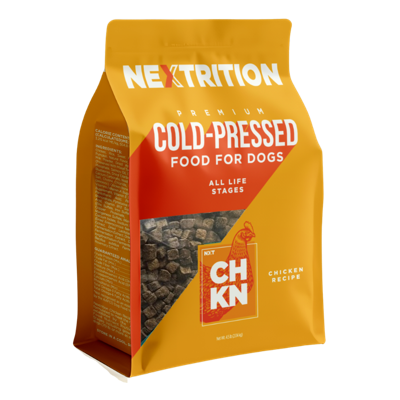
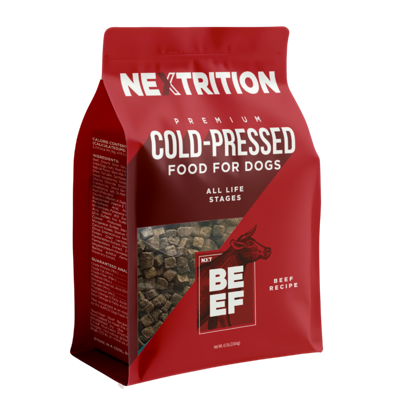
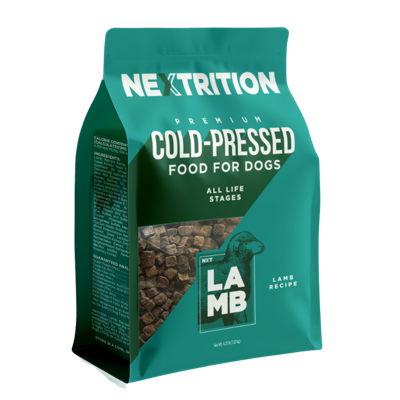
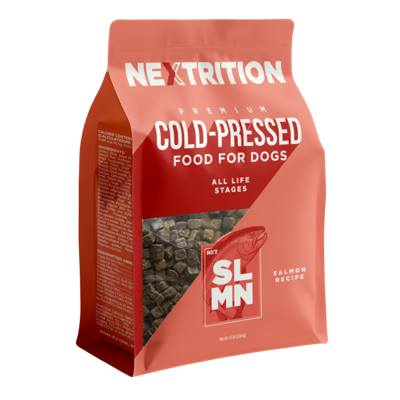
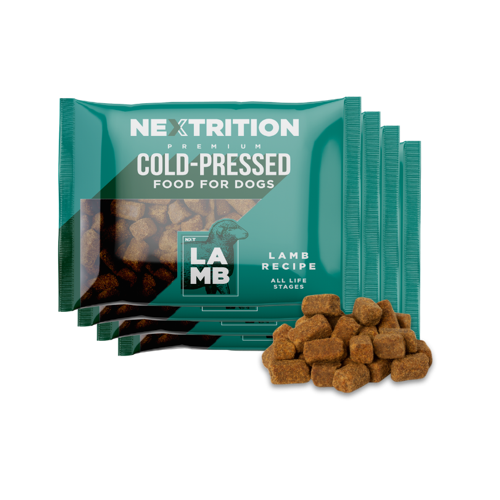
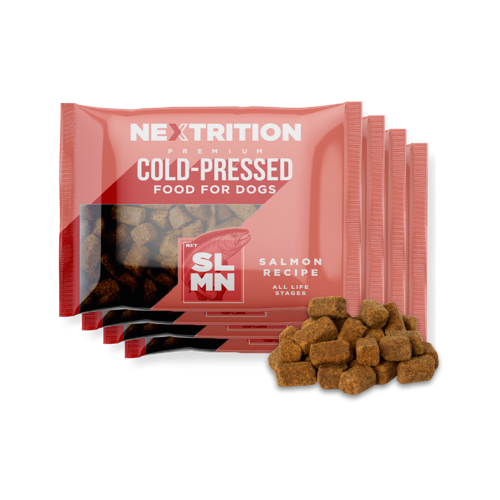
Cold-pressed food takes a different path. It’s made at much lower temperatures, which helps preserve more of what the ingredients naturally bring. At Nextrition, our cold-pressed recipes are made at 3x lower temperatures. That’s not a branding flourish. It’s a practical difference in how gently the food is handled.
A realistic comparison
If you’re deciding between formats, here’s the honest read:
- Standard kibble: convenient and familiar, but usually more heavily processed
- Raw diets: less processed and can meaningfully change the microbiome, but many owners don’t want the uncertainty, handling burden, or inconsistency
- Cold-pressed whole ingredient food: a more balanced option for owners who want digestibility, transparency, and simpler daily use
Raw is not the only way to get away from ultra-processed feeding. That’s the part many owners need to hear.
For this audience, the actual decision criteria are usually pretty stable: digestibility, ingredient transparency, immune support, convenience, consistency, and confidence. If a feeding approach looks good in theory but breaks down on Tuesday afternoon, it won’t last.

The Building Blocks of Real Ingredient Dog Food
A strong recipe starts with named animal protein. Not “meat meal.” Not a generic animal term that makes you guess. If you care about what’s in the bowl, protein sourcing should be clear.
Real meat is the nutritional anchor. It helps provide the amino acids dogs need for maintenance, repair, muscle support, and normal immune function. This isn’t just about making the label look cleaner. It’s about building the formula around something the body is meant to use.
Fruits and vegetables matter too, but not for decoration. In a good real ingredient dog food, they add fiber and plant compounds that can support gut microbial balance and widen nutrient variety. They should be there for a reason.
A few things should work together inside the same formula:
- Protein that’s clearly sourced
- Produce that contributes fiber and nutrient diversity
- Natural ingredients throughout the recipe
- Clean water as part of the formulation standard
- A complete and balanced nutrient profile, not just a wholesome-looking ingredient list
That last one is where some “healthy” foods fall short. Clean-looking food still has to function as daily nutrition. A recipe isn’t good because it contains one impressive ingredient. It’s good when the whole formula works together and you see it in digestion, stool quality, skin, coat, and energy.
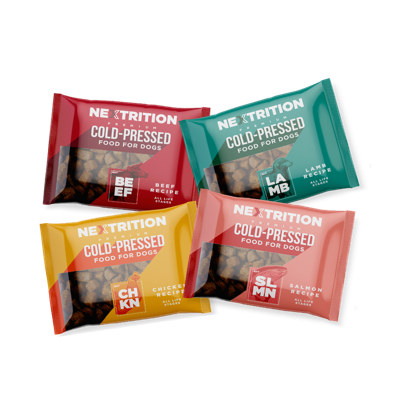
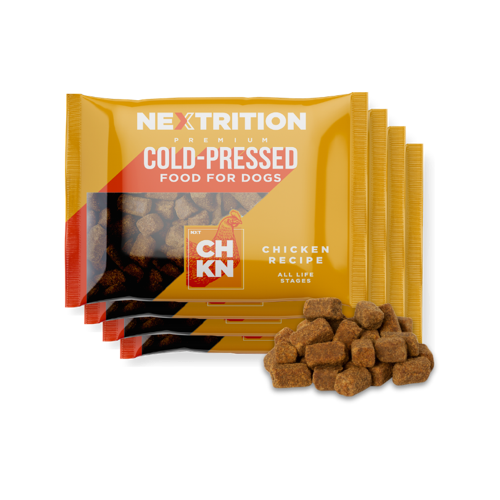
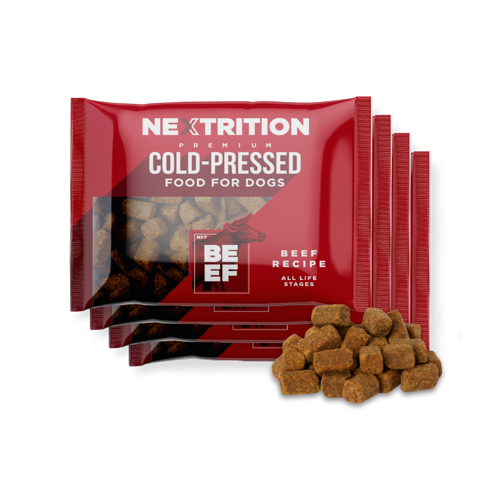
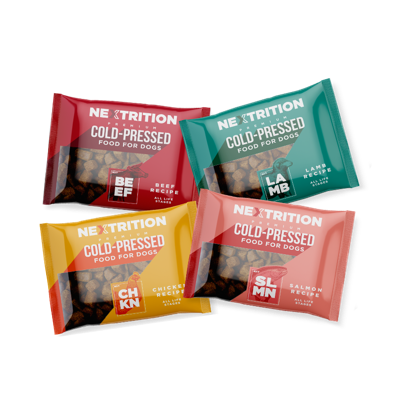
We built our cold-pressed recipes around that standard, with four options: lamb, chicken, salmon, and beef. Variety matters, not because rotating proteins is trendy, but because different dogs do better on different recipes, and owners need room to match food to the dog in front of them.
How to Spot Clean Ingredient Dog Food on the Label
Front-of-bag language is mostly theater. The ingredient panel and the processing method tell you much more.
If you’re evaluating clean ingredient dog food, start by asking whether the label gives you a clear sense of what the recipe is actually made from. You shouldn’t need to decode vague manufacturing language to feed your dog well.
Look for named proteins, recognizable produce, and an additive list that feels functional rather than decorative. Then look past the ingredients and ask how the food was made. Ingredient quality and processing quality are separate questions. A decent ingredient can be pushed too far in manufacturing.
Here’s a simple label check we’d actually use:
- Is the main protein clearly named?
- Can you recognize most of the food ingredients?
- Does the additive list look restrained and purposeful?
- Does the brand explain its processing method in plain language?
- Can you find sourcing, formulation, and feeding guidance without digging?
A few watchouts are worth keeping in mind:
- Long lists dominated by rendered meals
- Artificial colors
- Artificial flavors
- Generic by-products
- Claims about digestive or immune support with no explanation of process
A minimally processed food should be able to tell you why its process matters. If a brand talks about gut health but says nothing concrete about ingredient integrity or manufacturing, that gap is telling.
Transparency is part of quality. Not a bonus feature.

When Digestive Health Dog Food Makes the Biggest Difference
This matters most for owners dealing with chronic low-level friction. Not severe illness. Not emergencies. Just a dog who never seems fully settled.
A digestive health dog food approach can make a real difference for dogs with:
- Frequent stool inconsistency
- Recurring gas
- Post-meal discomfort
- Appetite that runs hot and cold
- Dull coat or repeating skin flare patterns
- Low-grade vitality issues where the dog seems fine, but not really well
These are often the cases where owners feel dismissed, because nothing is dramatic enough to sound urgent. But daily nutrition problems usually start in small, repeatable ways.
Less processed whole-food diets have also shown strong palatability and digestibility in feeding research. That matters if you live with a selective eater. Sometimes the issue isn’t stubbornness. Sometimes the dog just doesn’t feel good on the food.
A line we won’t blur
Persistent vomiting, weight loss, severe diarrhea, or suspected medical conditions need veterinary care. Full stop. Food can support health, but it shouldn’t be used to explain away signs that need diagnosis.
For prevention-minded owners, though, this is where better feeding earns its place. You’re not looking for perfection. Most people aren’t. You want fewer digestive surprises and a dog who feels more consistently well from week to week.
How to Switch Foods Without Creating More Digestive Stress
Even a better food can go badly if the transition is sloppy. We’ve seen owners switch too fast, add new treats at the same time, then conclude the food “didn’t work” when the real issue was too many variables at once.
Go gradually, especially if your dog has a sensitive stomach or a history of stool changes. Keep the switch boring and controlled.
Track simple outcomes during the transition:
- Stool quality
- Gas
- Appetite
- Energy
- Itchiness
- Overall comfort after meals
If you’re testing a new food, change one major variable at a time. Don’t introduce a new topper, three new treats, and table scraps while trying to judge the base diet. That’s how people lose the signal.
Portioning matters just as much as ingredient quality. Overfeeding can create digestive issues even with excellent food. This is one of the more common mistakes we see with premium formulas. Owners upgrade the food but keep feeding by habit instead of need.
That’s why we offer a personalized meal plan. It helps match recipe and amount to your dog’s size, age, and activity level, which is often the difference between “good ingredients” and actual results. If you’re trying a formula for the first time, a one-time order makes sense. Once you know a recipe clearly agrees with your dog, subscription delivery helps keep the routine steady.
Consistency is underrated. The gut notices.
What Better Feeding Looks Like in Real Life
Better feeding usually looks less dramatic than people expect. That’s a good thing.
It’s steadier stools. Less guesswork. More interest at mealtime. A dog that seems more comfortable in their own body. You may notice the coat looks better or energy picks up, but often the biggest shift is the absence of little problems that used to feel normal.
That’s how this usually works. Not through one magic ingredient, but through a feeding pattern built around digestible, recognizable food.
Health tends to improve when the body stops wasting effort on the bowl.
For most owners, the real shift is mental. You stop reacting to labels and symptoms and start choosing nourishment with more clarity. You don’t need to chase every trend. You need food that creates less friction between what goes in and what your dog can actually use.
When that clicks, feeding gets simpler. Not looser. Simpler in the useful sense.
Conclusion
Whole ingredient dog food supports gut health and immunity by focusing on what your dog’s body can recognize, digest, and use. That’s the core idea, and it holds up better than any front-of-bag slogan.
If you’re evaluating a food, keep the filter practical: real ingredients, gentler processing, transparent labeling, and a formula that supports digestive consistency over time. Research in dogs points to meaningful differences between whole-food and more heavily processed diets, especially in immune signaling and gut-related changes, even if not every marker shifts the same way.
The next step doesn’t need to be complicated. Review your current food through the lens of ingredient quality and processing. Then choose a more minimally processed, digestive-supportive option that fits your dog’s needs and your routine. If the food is working, life gets quieter. That’s usually the first sign you chose well.


