




When you're figuring out what to feed dogs with digestive problems, the usual mistake is switching foods too fast and hoping something sticks. That can turn one rough week into three.
What matters is simpler food, steady portions, and watching the boring stuff: stool, appetite, gas, energy. We've seen sensitive dogs do better when the menu stays clean and the routine stops changing.
Start here.
- Pick one gentle recipe and feed small meals for a few days
- Drop rich treats, toppers, and chews until the gut settles
- Track poop, vomiting, and itchiness on paper so you stop guessing
Why Food Is Often the First Place to Start
If you're trying to figure out what to feed dogs with digestive problems, food is usually the cleanest first lever to pull. Not because every stomach issue is caused by food, but because a calmer, simpler diet often reduces the load on an irritated gut fast enough to tell you something useful.
The gut doesn't work in isolation. It affects comfort, appetite, stool quality, skin, energy, and a big share of immune function. Around 70% of the immune system is tied to the gut, so when digestion is off, the rest of the dog often doesn't look quite right either.
That shifts the goal. You're not only trying to stop diarrhea or settle vomiting. You're trying to reduce irritation, improve absorption, and give the gut lining a chance to recover. In stable dogs with ongoing digestive signs, a diet trial is often one of the first and least invasive steps after parasites and obvious infections have been ruled out.
Still, there isn't one universal answer. The right food depends on what kind of problem you're looking at:
- a short-term upset stomach
- a likely food sensitivity
- chronic diarrhea
- a more complex chronic enteropathy
Same symptom. Different job for the food.
Good feeding doesn't just quiet symptoms. It helps the gut stop fighting every meal.
When Digestive Problems Need a Vet Before a Food Change
Food helps a lot of mild and moderate cases. But some dogs need diagnostics before they need a new bag of food.
If digestive signs last beyond a couple of weeks, if vomiting keeps recurring, if diarrhea won't quit, or if your dog is losing weight and body condition, don't run endless home experiments. That's where people lose time. Chronic enteropathies are generally considered when vomiting or diarrhea continues for at least 2 weeks and other causes have been excluded. Chronic diarrhea past 3 weeks usually needs a structured workup, not a casual food swap.
A veterinarian may also classify the pattern as small bowel, large bowel, or mixed bowel diarrhea. That matters more than most owners realize. Large bowel problems often need a different feeding strategy than small bowel issues, even when both show up as "loose stool."
A proper workup may include:
- bloodwork
- urinalysis
- fecal testing
- abdominal imaging
- in more complex cases, nutrient testing or endoscopy
That isn't overkill. It's how you stop treating guesses.
One more thing worth saying clearly: routine antibiotics are no longer the default answer for many chronic digestive cases. They can disrupt the microbiome, add resistance pressure, and plenty of dogs relapse once the antibiotics stop. We've seen owners feel relieved for a week, then right back where they started.
What to Feed Dogs With Digestive Problems Right Away
Here's the practical answer to what to feed dogs with digestive problems: choose food that is highly digestible, ingredient-conscious, gentle on the gut, and easy to feed consistently.
When a dog is actively uncomfortable, don't chase trends. Reduce digestive workload first. That usually means smaller, more frequent meals and a simple, controlled menu. Two or three measured feedings can be easier to handle than one or two heavier meals, especially in the first few days.
Easy to digest dog food should leave less undigested residue behind. That's useful because food that isn't handled well in the upper gut often becomes tomorrow's irritation farther down the tract. Veterinary guidance has traditionally treated highly digestible diets as those exceeding 85% digestibility, and that standard still gives owners a good mental model: less waste, less strain, better odds of tolerance.
Keep the plan boring for a bit. Really.
Avoid rotating proteins, piling on toppers, or adding rich "just to tempt them" extras while the gut is unsettled. Hydration matters too, especially with loose stools. Food isn't separate from fluid balance.
Sensitive stomach dog food can be a smart category when it actually does the job it claims to do. The label alone means nothing. The formulation matters.

The Best Diet Approach Depends on the Type of Digestive Problem
Food for dogs with diarrhea isn't one-size-fits-all. The right move depends on what's driving the symptoms, not what sounds premium on the shelf.
For short-term stomach upset
A bland, simple, highly digestible approach can help stabilize things briefly under veterinary guidance. This is for settling an irritated system, not building a forever plan. If the dog rebounds quickly, great. If not, that's information.
For suspected food sensitivity
Novel-protein or hydrolyzed-protein diets are often used because proteins are common triggers in adverse food reactions. If you're trying to identify a pattern, fewer protein variables helps. An elimination diet followed by a re-challenge is still the only real way to confirm a food allergy or sensitivity pattern. Anything looser than that is mostly speculation.
For chronic large bowel diarrhea
This is where fiber can matter more than owners expect. A fiber-enriched diet may help shift the gut away from putrefactive fermentation and toward more beneficial saccharolytic activity. In one 56-day study, a fiber-supplemented therapeutic food improved clinical signs in dogs with chronic large bowel diarrhea and increased beneficial postbiotic compounds linked to gut function.
Not every loose stool needs more fiber. But some absolutely do.
For repeated diet failures and suspected chronic enteropathy
Hydrolyzed diets can still help even after previous diet trials fail. Research has shown meaningful improvement within 10 weeks in many dogs. That's a useful reminder that failed attempts don't always mean food isn't part of the answer. Sometimes the wrong diet was tested, or the trial wasn't strict enough.
When fat is part of the problem
Lower-fat strategies may matter when a veterinarian suspects fat intolerance or another condition where fat restriction is important. This isn't a trend choice. It's a clinical one.
The better question isn't "What's the best dog food?" It's "Which diet approach fits the pattern in front of us?"

What to Look for in a Sensitive Stomach Dog Food
A good label should make decisions easier, not murkier. When you're comparing sensitive stomach dog food, keep your eye on what actually lowers digestive friction.
Use this checklist:
-
Clearly identified animal protein
Look for a named protein source, not vague meat ingredients or crowded multi-protein formulas. -
Fewer protein variables
If you're trying to spot a food reaction, five different animal proteins in one bag is not helping. -
Highly digestible ingredients
The goal is better absorption in the upper gut and less leftover residue passing through. -
Supportive fruits and vegetables
Gentle fiber and beneficial plant compounds can support stool quality and the microbiome. -
Complete and balanced nutrition
Short-term bland feeding is one thing. Long-term guesswork is another. -
Processing that respects ingredients
This matters more than many people think. Heavily processed food can be convenient, but ingredient quality and how it's handled both shape the final result.
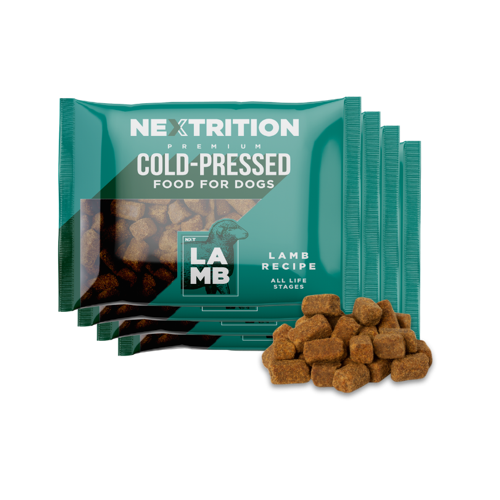
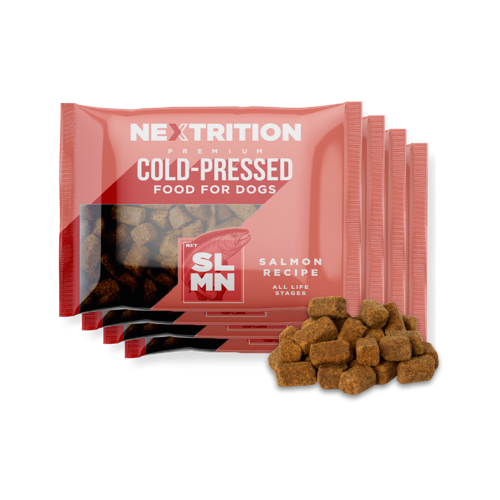
For owners who want a more whole-food approach, cold-pressed digestive health dog food deserves a serious look. Lower-temperature processing can help preserve nutrients compared with standard high-heat kibble, and it tends to fit dogs who do better on food that feels less harsh and overworked.
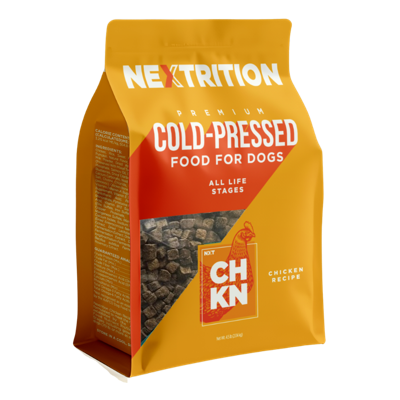
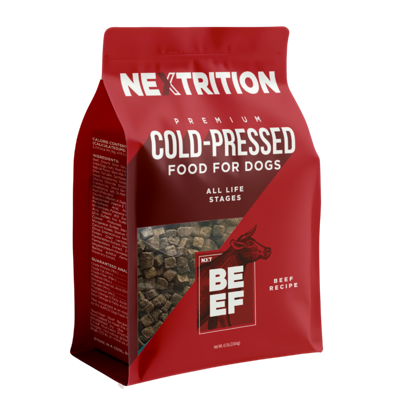
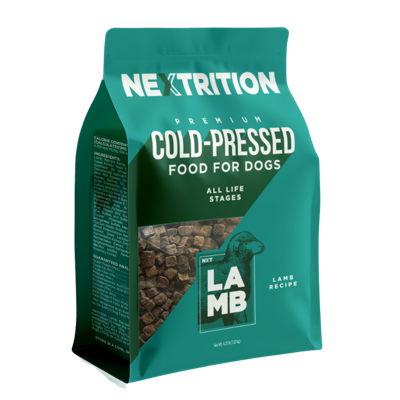
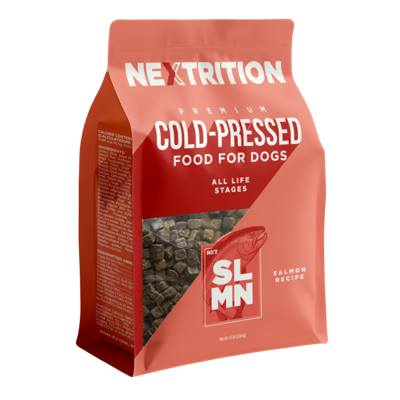
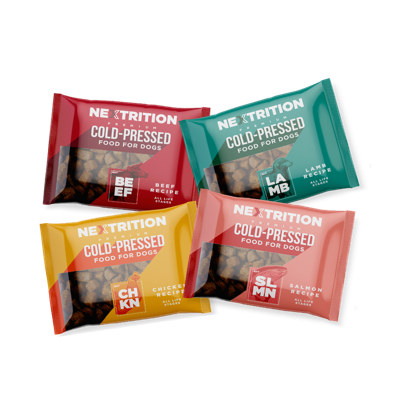
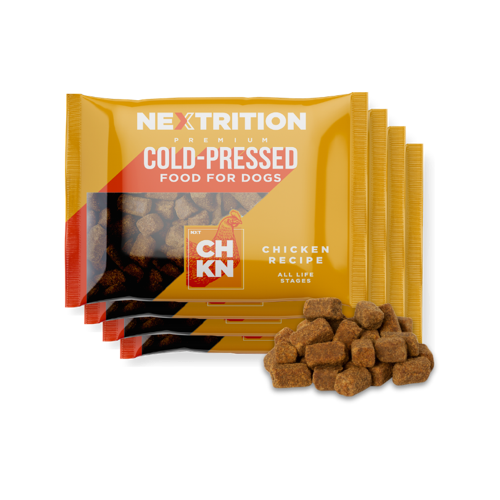
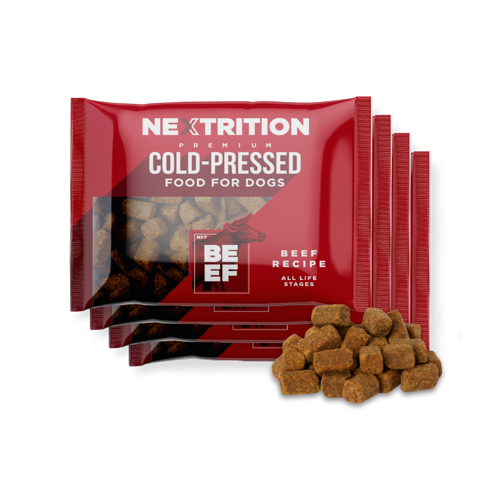
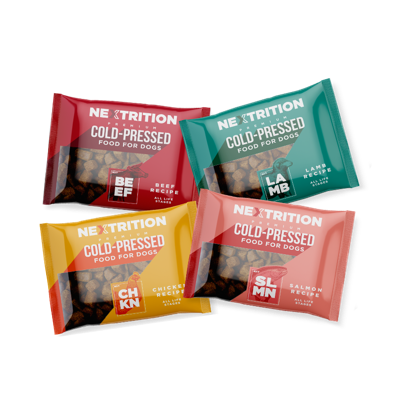
Our Nextrition recipes are made at 3x lower temperatures with real meat, natural fruits and vegetables, and Rocky Mountain waters in lamb, chicken, salmon, and beef formulas. That's not about sounding artisanal. It's about building everyday nutrition around digestibility, ingredient clarity, and a gentler process.
Ingredients and Feeding Habits That Can Make Things Worse
A lot of digestive setbacks are self-inflicted, usually with good intentions. A little topper here, a fatty bite there, a chew to "keep them happy," then a new treat because the old one seemed fine. Suddenly the diet trial means nothing.
When the gut is trying to settle, avoid:
- rich table scraps
- fatty extras
- treat overload
- sudden food changes
- flavored chews and supplements
- scavenging opportunities if your dog is that type
Ingredient overload creates noise. You can't tell what's helping and what's triggering symptoms.
This gets missed all the time with over-the-counter foods marketed as premium. Some still contain multiple protein sources, secondary protein contamination, or long ingredient panels that make a true trial hard to trust. Highly digestible and hypoallergenic approaches work best when they're strict. Loosely following them while handing out random extras is how people decide "that food didn't work" when the food never had a fair shot.
Many failed diet trials are failures of consistency, not failures of formulation.
How to Transition to an Easy to Digest Dog Food Without Triggering Another Flare
Even the right food can go badly if you rush it. Sensitive guts don't care how expensive the new formula is.
When your dog's condition allows, transition gradually. Blend the new food in measured steps rather than switching overnight. A simple 7 to 10 day change works well for many dogs, but if your dog has a history of flaring during transitions, go slower. There's no prize for speed.
Track the things owners tend to trust memory for and usually misremember by day four:
- stool quality
- appetite
- gas
- energy
- itching
- vomiting frequency
A notebook works. Your phone works. Just don't rely on impressions.
Diet trials for chronic digestive issues need enough time to mean something. Some dogs improve quickly, sometimes by the second afternoon. More complex cases may need several weeks of strict consistency before the result is clear. During that period, keep the diet stable. No new treats, no bones, no casual toppers because the stool looked a little better that morning.
If portion size, recipe choice, or routine feels messy, a personalized feeding plan can help take the emotion out of it. That's one reason we built ours. It gives owners a more precise way to feed without turning every meal into a debate.

Why Gut-Friendly Feeding Can Support More Than Digestion
Once the gut is functioning better, you usually see more than cleaner stools. Dogs often absorb nutrients more effectively, hold body condition better, and seem steadier day to day. Not dramatic. Just better in the ways that matter.
Because so much of immune activity is tied to the gut, digestive support often has wider effects than owners expect. Skin and coat can improve. Appetite can normalize. Energy can stop feeling uneven. This is why feeding deserves more respect than it often gets.
Food is not just fuel. It's one of the most repeated biological signals your dog receives.
For health-conscious owners, foods built around real meat, natural produce, and gentler processing make sense here. Not because they're fashionable. Because they align with the bigger goal of supporting comfort and resilience from the inside out.
Choosing Between Everyday Premium Food and a Veterinary Therapeutic Diet
This choice should be practical, not ideological. Some dogs need a veterinary therapeutic diet. Some don't.
An everyday premium sensitive stomach dog food may be appropriate when you're dealing with mild recurring digestive sensitivity, ingredient-conscious maintenance, or a dog that does better on gentler, less processed nutrition. That's often where premium cold-pressed food fits well, especially once you know which protein works best and the dog is otherwise stable.
A veterinary therapeutic diet is the smarter move when you're dealing with:
- severe chronic diarrhea
- suspected inflammatory bowel disease
- protein-losing enteropathy
- marked weight loss
- repeated failure on standard foods
Hydrolyzed therapeutic diets also tend to be made with stricter controls to reduce unintended protein exposure. That matters in true elimination trials. It's one of the few situations where tighter manufacturing controls can outweigh other preferences.
A premium food is not a replacement for veterinary treatment in serious GI disease. But once the bigger problem is identified and stabilized, an everyday option like Nextrition can make a lot of sense for owners who want to move beyond standard kibble and keep feeding in a more natural, cold-pressed way.

Conclusion
What to feed dogs with digestive problems usually comes down to this: choose food that is simpler, more digestible, and better matched to the reason the gut is struggling. That's the part people often skip. They change food without changing strategy.
Many dogs improve when owners stop guessing, stay consistent, and treat diet like a deliberate tool instead of a desperate reaction. If symptoms are persistent, severe, or confusing, bring your veterinarian in early and let the food plan follow the diagnosis rather than compete with it.
Then keep it calm. Build a routine your dog can tolerate and your household can actually stick to.
If you're looking for an everyday digestive-supportive option after you've identified what your dog handles best, explore a personalized meal plan and a cold-pressed recipe that fits their needs. Sometimes gentle relief starts with feeding more carefully, not more aggressively.


