




For a dog with a sensitive stomach, choose a complete, easily digestible food with a limited number of ingredients, a clearly named protein source, and low-to-moderate fat. Some dogs may benefit from a novel or hydrolysed protein diet, but persistent symptoms should be discussed with your vet.
Introduce new foods gradually over 7–10 days, keep treats and toppers consistent, and monitor your dog’s stool, appetite, and energy. This guide will help you choose gentle, nutritious options and identify when veterinary advice is needed.
What a Sensitive Stomach Really Means
A sensitive stomach isn't a formal diagnosis. It's the practical label most of us use when a dog keeps having digestive trouble often enough that it stops feeling random.
You usually see it in the same handful of ways. Soft stool. Diarrhea. Vomiting. Gas that clears a room. A bloated belly. Loud stomach noises. Restlessness after meals. An appetite that feels inconsistent for no obvious reason. Some dogs also get dull coats, itchy skin, lower energy, or just look a little off when digestion isn't working well.
That last part matters more than people think. The gut doesn't operate in isolation. It affects nutrient absorption, immune resilience, skin, coat, and day to day comfort. When the stomach is irritated, the whole dog tends to feel it.
There’s also a big difference between a dog who raided the trash once and a dog who keeps cycling through flare-ups every week or two. One bad night after eating something inappropriate is not the same as a recurring pattern. Patterns deserve a better look.
A few distinctions help:
- Food intolerance means the digestive system struggles with certain ingredients. That often shows up as loose stool, gas, or vomiting.
- Food allergy involves the immune system. Digestive issues can happen, but skin and ear problems often ride along.
- More serious gastrointestinal conditions may look similar at first, but they don't resolve with simple diet cleanup.
Chronic digestive upset is rarely just “a picky stomach.”
If you've been changing foods every time symptoms pop up, it can blur the picture. We see this a lot. The goal is not to find the magic bag overnight. It's to understand what your dog’s body is actually telling you.
When to Call Your Vet Before Changing Food Again
Not every upset stomach is a food issue, and treating all of them like one can waste weeks. Sometimes months.
If your dog has any of the signs below, call your vet before doing another food experiment:
- Blood in stool or vomit
- Very dark or black stool
- Repeated vomiting
- Symptoms lasting more than 48 hours
- Weight loss
- Poor appetite
- Lethargy
- Ongoing diarrhea
Puppies need even closer attention. They can dehydrate much faster than adult dogs, and what looks like “just a sensitive stomach” can turn into a bigger problem quickly.
Persistent symptoms can be tied to parasites, giardia, pancreatic issues, inflammatory bowel disease, or other medical causes. A careful workup early often saves time, money, and a lot of second guessing later. We’d rather see a dog get a clear diagnosis than bounce through four different foods and still feel miserable.
That’s not alarmist. It’s just experienced. If the pattern is persistent, rule out the things food alone can’t fix.
The Best Natural Starting Point for a Sensitive Stomach
If you're wondering what to feed a dog with a sensitive stomach, start simpler than you think. The best natural approach is usually a complete, consistent, highly digestible diet built around straightforward ingredients.
In practice, that often means:
- One clearly named animal protein
- Gentle carbohydrate sources
- Moderate fat
- Added fiber, prebiotics, or probiotics where appropriate
- Fewer unnecessary additives
Consistency matters as much as ingredient quality. A clean formula can still fail if it’s paired with rich toppers, random treats, and constant rotation. Sensitive dogs often do better when the food gets simpler, not more creative.
This is where caring owners sometimes get stuck. They want to help, so they add broth, pumpkin, freeze-dried toppers, dental chews, and bits of whatever worked once before. It feels proactive. It also turns the bowl into a moving target.
A calmer gut usually comes from fewer variables.
The real goal isn't to quiet the stomach for 24 hours. It's to build a way of feeding your dog that supports comfortable digestion long term.
What to Feed a Dog With a Sensitive Stomach Naturally, Ingredient by Ingredient
Once you stop chasing labels and start looking at components, the picture gets clearer. The best food for dog with sensitive stomach issues is usually built from ingredients that are easier to digest and easier to evaluate.
Proteins that are often worth trying
Protein choice is individual. One dog thrives on chicken. Another gets gassy and itchy by the second afternoon.
Options that are often helpful include:
- Lamb
- Salmon
- Turkey
- Chicken, if your dog tolerates it well
The trick is not to crown one protein as universally best. It's to match the protein to the dog in front of you and keep the formula simple enough that you can actually judge the response.
Carbohydrates that tend to be gentler
Simple carbohydrates often work well because they’re easier on digestion and less likely to overwhelm an already irritated gut. Common choices include:
- White rice
- Brown rice
- Oatmeal or oats
- Potato
- Sweet potato
- Buckwheat
These aren't glamorous ingredients. That’s fine. Sensitive stomach feeding usually rewards boring choices.
Gut-supportive additions that help
Look for thoughtful support, not kitchen-sink formulas.
- Prebiotic fibers such as chicory root
- Fermentable fibers that help stool quality and microbiome balance
- Probiotics or beneficial bacteria strains when included appropriately
Some dogs also do better on food made with real meat, fruits, and vegetables instead of filler-heavy formulas that feel dense and overly processed. Gentle hydration helps too, especially if your dog eats quickly or tends to get gassy. So do steady meal times. Small details add up.
What to Avoid if Your Dog’s Digestion Is Easily Upset
When digestion is fragile, the problem is often not one dramatic ingredient. It’s the repeated pileup of little irritants.
A few common troublemakers:
- High-fat foods and rich leftovers
- Table scraps and inconsistent people-food treats
- Sudden food changes
- Artificial flavors and lower-quality fillers
- Overly complicated ingredient panels
- Multi-protein formulas when you're trying to identify a trigger
We'd also be careful with ingredients your dog has reacted to before, whether that’s a specific protein or a grain. The key word is your dog. Chicken and grains aren't automatic villains. Blanket rules usually create more confusion than clarity.
One habit causes more chaos than people realize: layering the base food with bones, broths, treats, chews, and toppers all at once. Then the dog flares and no one knows why.
You can't troubleshoot five variables in one bowl.
If your dog is sensitive, treat discipline is part of the plan. Not forever, but long enough to learn something useful.
Why Bland Diets Help Short Term but Often Stall Long-Term Progress
Chicken and rice became the default for a reason. When a dog has an acute stomach flare, bland food can be a useful short-term reset because it’s simple and easy to digest.
That doesn't make it a complete long-term answer.
A bland diet is about calming things down for a brief window. It’s not balanced enough to become your dog’s everyday nutrition on its own. Yet a lot of owners get trapped in the same cycle: flare-up, chicken and rice, slight improvement, back to regular food, symptoms return, repeat.
That cycle feels like progress because the dog improves temporarily. It usually isn't.
Here’s the shift that helps:
- Short-term bland feeding is for recovery during a flare.
- Long-term feeding is for building digestive resilience with complete, gentle nutrition.
Once your dog is stable, the next move is a balanced daily food that supports the gut without overstimulating it. Otherwise you're just managing episodes, not improving the baseline.
How to Choose the Best Food for Dog With Sensitive Stomach Issues
This is where labels can mislead. “Sensitive stomach” on the bag means very little if the food is still too rich, too busy, or too aggressively processed.
Use a practical checklist instead:
- Named animal protein, not vague meat sources
- A digestible carbohydrate source
- Moderate fat
- Limited ingredient complexity
- Gut-supportive fiber or prebiotics
- Nutritional completeness for your dog’s life stage
Processing matters too. Not just ingredients. If you care about feeding naturally, how the food is made should be part of the decision. Gentler processing can help preserve more of the original nutritional value instead of cooking everything into a harsher end product.
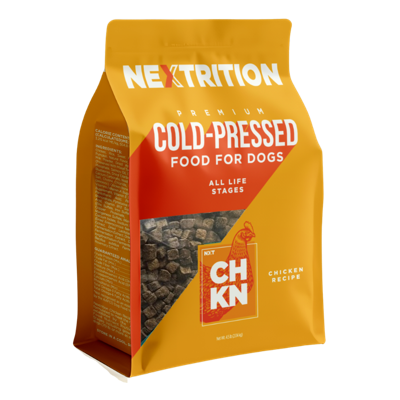
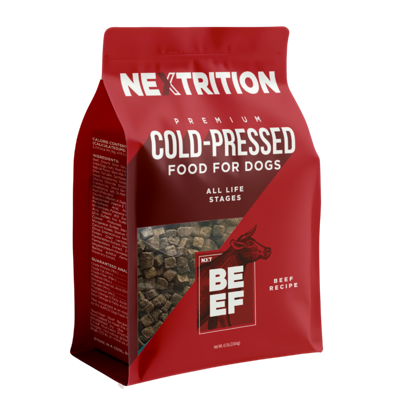
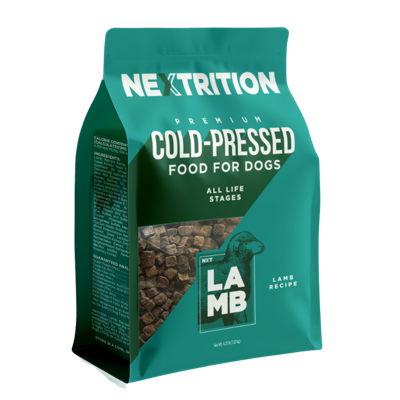
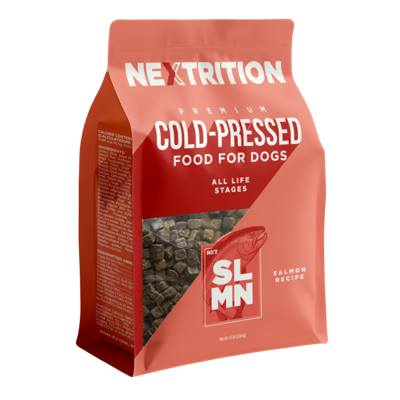
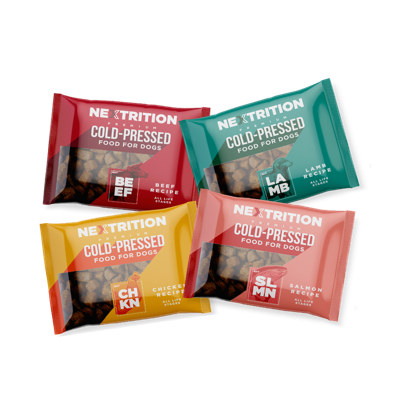
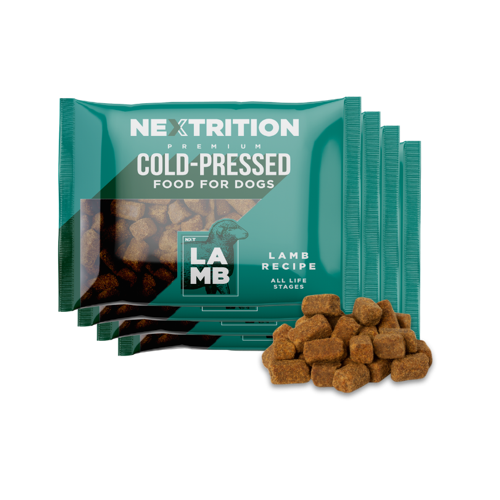
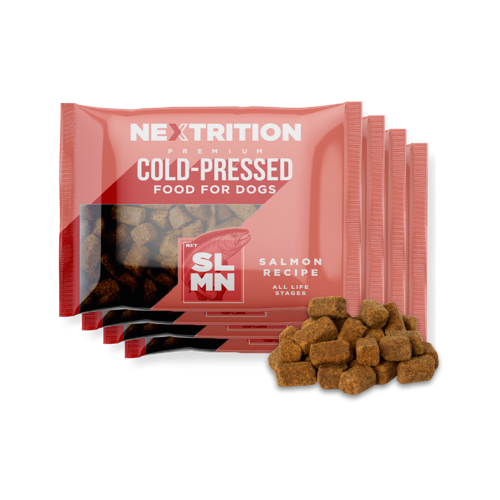
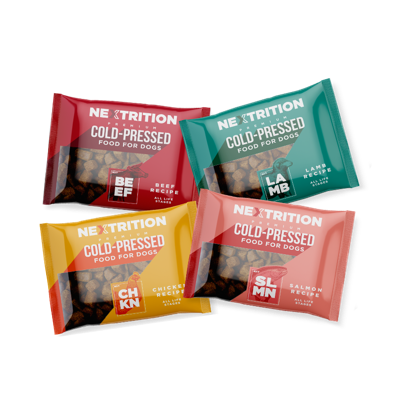
That’s one reason we built Nextrition the way we did. Our food is cold-pressed at 3x lower temperatures, made with real meat, fruits, and vegetables, and designed to support gut health, where about 70% of a dog’s immune system resides. We keep recipe choice practical too, with lamb, chicken, salmon, and beef, because protein fit matters.
For health-conscious owners, the best food for dog with sensitive stomach concerns should do more than tighten stool. It should support immune health, skin, coat, and everyday comfort. Better digestion tends to show up in more than one place.
Don’t buy the label. Evaluate the formula.
The right food is the one your dog digests well, tolerates consistently, and can stay on without drama.

How to Transition to a New Food Without Causing More Digestive Chaos
Even a great formula can backfire if you move too fast. We’ve seen owners switch to a better food and conclude it “didn’t work” when the real issue was the speed of the transition.
A 7 to 10 day transition is a good baseline:
- Start with mostly old food and a small amount of new food.
- Increase the new food gradually every couple of days.
- Decrease the old food at the same pace.
- Slow down further if your dog has a long history of flare-ups.
Highly sensitive dogs may need more time. That's normal.
During the transition, keep everything else stable:
- Treats
- Toppers
- Chews
- Supplements
Track a few simple markers so you're not relying on memory:
- Stool consistency
- Vomiting episodes
- Gas
- Appetite
- Energy
- Skin or ear flare-ups
One clear change tells you something. Several overlapping changes tell you almost nothing.
If you want less guesswork, a personalized meal plan can help narrow recipe fit and feeding routine from the start. We offer that because sensitive dogs usually need a plan, not just a product.

Matching the Food to the Pattern You Are Seeing
Not all sensitive stomachs behave the same way. The pattern matters.
If your dog flares after rich or fatty foods, start by tightening up the extras and choosing a moderate-fat, simple recipe. A lot of dogs get blamed on the base food when the real issue is the weekend treat pile.
If the reaction seems tied to one protein, move to a simpler food with a different primary protein and avoid multi-protein formulas while you test tolerance. This is not the time for variety.
If stomach issues show up alongside itchy skin, dull coat, or recurring ear trouble, think beyond digestion alone. A gut-friendly formula with quality ingredients and, if tolerated, a fish-based option like salmon can make more sense than just repeating bland meals.
If your dog only struggles during transitions, the food itself may not be the problem. The speed of change often is.
And if symptoms continue despite a careful trial, stop self-experimenting and get veterinary help. You’re not overreacting by taking chronic digestive distress seriously. The opposite is more common. People normalize too much for too long.
Everyday Habits That Support Natural Digestive Health
Daily routine shapes gut health more than most owners expect. Sensitive digestion usually responds best to steadiness, not constant optimization.
A few habits do real work:
- Feed a consistent food instead of switching formulas every few weeks
- Keep meal times steady
- Choose treats that fit the same gentle-ingredient approach as the main diet
- Be cautious with rich chews, leftovers, and “just a little bit” extras
Digestive health is cumulative. What looks like a random flare often comes after days of small disruptions that didn’t seem important at the time.
Natural support is usually pretty simple:
- Real ingredients
- Gentler processing
- Fewer irritants
- More consistency
If you’re trialing a new recipe, a one-time order can make sense. Once you know it works, subscription delivery helps protect the routine. For sensitive dogs, convenience isn’t just nice. It prevents the emergency bag swap that starts the whole cycle again.

Common Mistakes Caring Owners Make With Sensitive Stomachs
Most mistakes come from trying too hard, too fast, with too many variables. We get it. When your dog is uncomfortable, patience feels slow.
A few patterns are worth catching early:
- Switching foods too often and never giving the gut time to settle
- Assuming every stomach issue is an allergy
- Treating chicken or grain as automatic enemies without looking at the whole formula
- Judging a food after a meal or two instead of after a proper transition
- Using a bland diet too long and creating nutritional imbalance
- Ignoring signs outside the gut like itchy skin, low appetite, or weight changes
- Adding toppers and treats while trying to identify a trigger
- Looking only at the ingredient list and not at fat level, digestibility, processing, and routine
The non-obvious one is this: people often search for the single bad ingredient when the real problem is overall feeding chaos. A decent food fed consistently will often outperform a fancier one fed inconsistently.
You do not need more cleverness. You need a cleaner signal.
Conclusion
A sensitive stomach is not a dead end, and it doesn’t mean you have to keep bouncing between bland fixes and random food experiments. Most dogs do better when the approach gets calmer and more intentional.
Start with a complete, highly digestible, natural diet. Keep ingredients simple. Avoid common triggers. Transition slowly. Pay attention to patterns that suggest a medical issue instead of assuming everything is just food sensitivity.
Feed gently and you support more than digestion. You support immunity, nutrient use, skin, coat, and the simple comfort of a dog who can eat and feel fine afterward.
If you’re deciding what to feed a dog with a sensitive stomach, choose one thoughtfully formulated food, give it a fair transition, and let your dog’s response guide the next decision. Not the marketing. Not the noise. Just the dog in front of you.


