


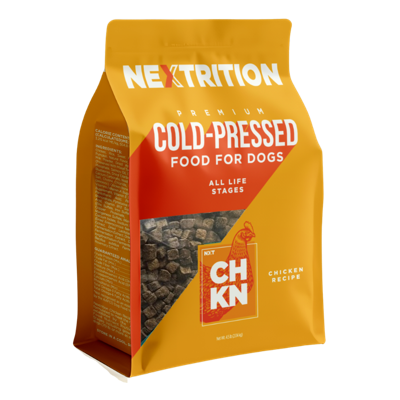
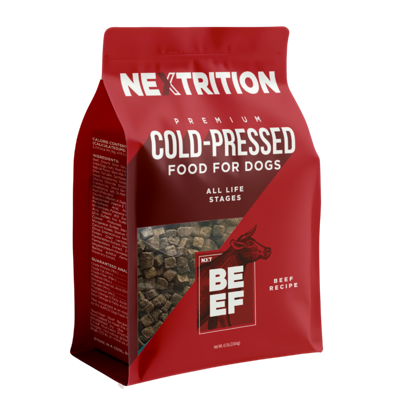
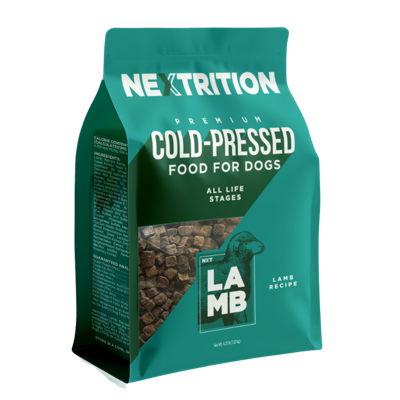
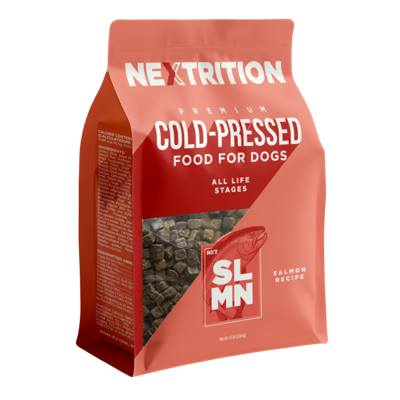
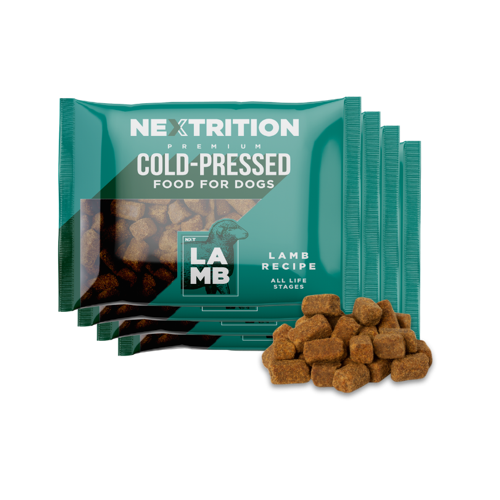
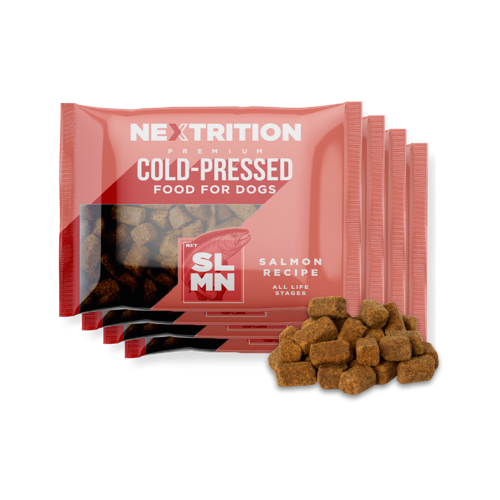


Cold-pressed dog food may help firm up loose stools if its recipe is highly digestible and better suited to your dog. However, cold pressing alone isn’t a treatment for diarrhea. The ingredients, protein source, fat and fibre content, portion size, and your dog’s individual tolerance matter more than the format.
If you decide to try it, choose a complete and balanced recipe and introduce it gradually over 7–10 days. If loose stools persist or occur alongside blood, vomiting, pain, or lethargy, contact your vet.
What matters is whether food is the real trigger, and whether the switch is gentle enough to tell you anything. We're looking for patterns, not one weird poop. Start here:
- Big, sloppy stools often point to poor digestibility or too much food
- A rushed switch can make a decent recipe look wrong fast
- If the protein is the issue, format alone won't fix it, and you'll know what to try next

The Short Answer: Yes, but It Depends on Why the Stools Are Loose
Cold pressed dog food can help some dogs with loose stools. We've seen it make a real difference when the problem is tied to digestibility, harsh processing, ingredient mismatch, or formulas that are just doing too much.
But is cold pressed good for dogs with loose stools is only the right question if food is actually part of the issue. If your dog has parasites, an infection, pancreatitis, inflammatory bowel disease, or stress colitis, changing the food format alone won't fix the root problem.
That distinction matters. A lot of owners lose time chasing the wrong lever.
Results also depend on the recipe itself, the fiber balance, fat level, portion size, and how you transition. So this isn't a blanket yes or no. It's a decision guide for figuring out when cold pressed food is worth testing and how to do it without making your dog's gut even more irritated.
Better food can steady a sensitive gut. It can't override a medical problem.
Why Loose Stools Matter More Than Most Owners Think
A soft stool here and there happens. Ongoing loose stools are different. They usually tell you your dog isn't fully digesting, absorbing, or tolerating something well.
In practice, recurring soft stools rarely show up alone. You often see a few other quiet signals around them:
- more gas than usual
- stomach noises after meals
- appetite that seems a little inconsistent
- itchy skin or paw licking
- a coat that looks dull instead of healthy
This is where health-conscious owners tend to notice the bigger picture faster. Gut health isn't just about pickup quality. Around 70% of the immune system lives in the gut, so stool quality often reflects more than digestion. When the gut is unsettled, the rest of the dog can look a little off too.
A one-off soft stool after scavenging something in the yard isn't the same as a pattern that shows up three or four times a week. Patterns deserve attention.
There are also times to stop experimenting at home and call your vet. Don't try to solve these with a food switch first:
- blood in the stool
- black, tarry stool
- vomiting
- lethargy
- fever
- obvious belly pain
- dehydration
- weight loss
- diarrhea lasting more than a couple of days
If your dog is otherwise bright, eating normally, and dealing with mild but recurring loose stools, food becomes a reasonable lever. If not, don't force it.
What Cold Pressed Dog Food Actually Is
Cold pressed dog food is still a dry food. It just isn't made like standard kibble.
Most kibble is extruded. That means ingredients are cooked with high heat and steam, then pushed through machinery and expanded into the familiar puffed shape. Extrusion often reaches around 120°C or higher. Cold pressed food is made at lower temperatures, commonly around 45 to 80°C, then formed into dense pieces rather than expanded ones.
That sounds technical, but the practical difference is simple. Less aggressive processing can preserve more of the original nutrient structure.
Cold pressed pieces also tend to be denser and break down differently during digestion than airy kibble. Owners often notice that in the bowl and later in the yard.
A useful nuance here: cold pressed is not the same as fresh, raw, or freeze-dried. People lump all "less processed" foods together, and that usually creates confusion. These formats behave differently, digest differently, and don't all produce the same stool result.

What the Evidence Suggests About Processing and Stool Quality
The research direction is pretty clear even if the cold pressed data itself is still developing. Diet format can meaningfully change digestibility, fecal output, stool consistency, fecal dry matter, and even the gut microbiome.
In controlled feeding work, dogs eating a traditional extruded diet produced greater fecal output and looser stools than dogs eating some lower-processed raw or freeze-dried diets. That's not a small detail. More waste out often means less useful digestion in.
There was also an important wrinkle in that comparison. A fresh diet in the same study did not consistently produce the firmest stools across every format. So lower processing alone does not guarantee the best result.
Another crossover finding showed a minimally processed diet improved fecal consistency compared with extruded kibble and produced distinct metabolic and microbiome responses. That's the part many owners miss. Stool quality is not only about what goes in. It's also about what the gut bacteria do with it.
Direct clinical evidence on cold pressed dog food loose stools specifically is still limited. We want to be honest about that. The strongest conclusion today is this: gentler processing may help some dogs, but formula quality and ingredient fit still decide whether a food works in the real world.
Why a Gentler Food Format May Help Some Sensitive Dogs
Here's the simple logic. When food is processed less aggressively, more of its original structure may stay intact. That can support better digestion for some dogs.
Better digestion usually means less undigested material reaching the colon. Less waste left for the colon to deal with often means smaller, firmer stools. Sometimes the change owners notice first isn't dramatic firmness. It's that the stool becomes more predictable. That's often the real win.
Health-conscious owners are usually drawn to foods built around real meat and whole-food ingredients for exactly this reason. Not because the label sounds nicer. Because simpler inputs tend to create fewer digestive surprises.
The microbiome angle matters too. Lower-processed diets can shape gut bacteria differently than extruded kibble, and in some studies that has lined up with better stool quality. We wouldn't oversell that. But we also wouldn't ignore it.
A dog with a "sensitive stomach" isn't always fragile. Sometimes the food is just harder on the system than it needs to be.
When Cold Pressed Dog Food Is Most Likely to Help
This is where we get practical. Cold pressed food tends to make the most sense for dogs whose loose stools look food-related rather than medically driven.
It is often worth considering when your dog:
- has mild, recurring loose stools on standard kibble but normal energy and appetite
- passes large-volume stools, which can point to lower digestibility
- seems to react poorly to heavily processed food
- gets gas, post-meal discomfort, or stools that vary from firm to soft for no obvious reason
- may simply need a better-matched protein source
That last point gets overlooked. Sometimes owners think the format failed when the real issue was the protein. Chicken that doesn't suit your dog is still chicken, no matter how gently it's processed.
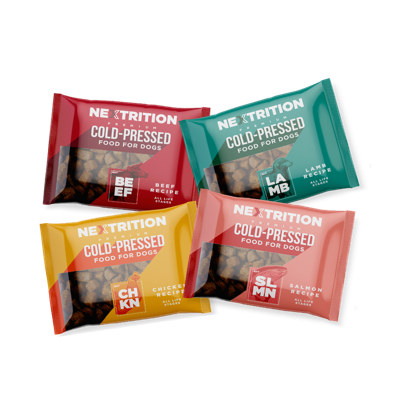
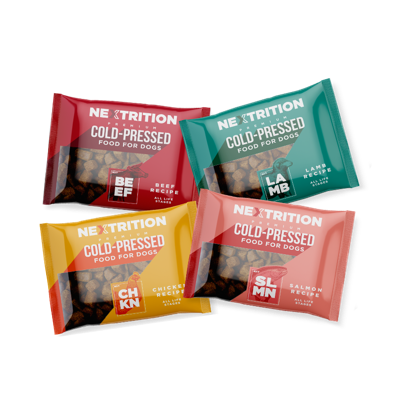
This is why personalized feeding matters more than people expect. Stool issues often improve when calories, portion size, and recipe are tailored to the dog instead of guessed from the bag and adjusted emotionally. We've built our meal plans around that reality. A cold-pressed lamb recipe will not perform the same way for every dog as salmon, beef, or chicken, even if the quality is strong across all four.
When Cold Pressed Food May Not Help, or May Temporarily Make Things Messier
Cold pressed food is not a cure for medically driven diarrhea. If parasites, infection, pancreatitis, or chronic GI disease are in the mix, food may support recovery later, but it won't replace proper treatment.
A true food sensitivity can also carry right over into a new bag. If your dog reacts badly to a certain protein or ingredient, a premium cold pressed recipe with that same trigger can still produce loose stools.
Then there are the mistakes that make good food look bad:
- switching too fast
- picking a rich formula for a dog that needs moderation
- overfeeding because the dog seems to love it
- adding new treats, toppers, or chews at the same time
We've also seen dogs need a short adjustment period when moving from extruded kibble to a less processed format. That's not unusual. Their system is adapting to a different food structure and digestion pattern. The wrong move is to panic on day two and start changing everything again.
A fair tradeoff to understand: cold pressed food can have a shorter shelf life than heavily preserved dry food, and some dogs do have temporary digestive disruption during transition. Better food still needs better handling.
The Recipe Details That Matter More Than the Label
Not every food labeled cold pressed is a smart choice for a dog with loose stools. The label gets attention. The recipe decides the outcome.
When you're evaluating options, start here:
- Named animal proteins rather than vague meat terms
- Ingredient simplicity so you're not troubleshooting through a list of extras
- Sensible fat levels because rich food can loosen stools fast
- Digestible whole-food ingredients instead of filler-heavy formulas
- Fiber from fruits and vegetables to support stool quality and beneficial bacteria
Dogs with loose stools usually do better when you choose a protein they've historically tolerated well instead of chasing novelty for its own sake. Novel can be useful, but it isn't automatically gentler.
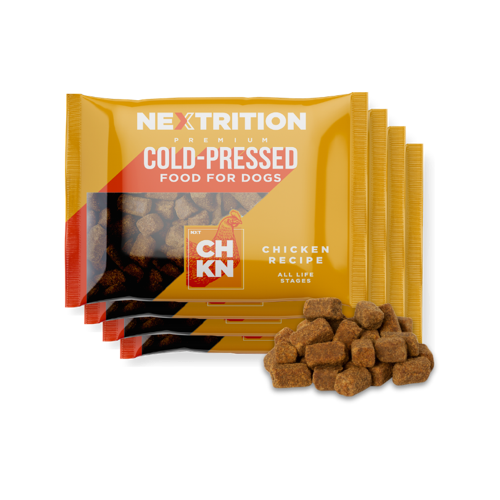
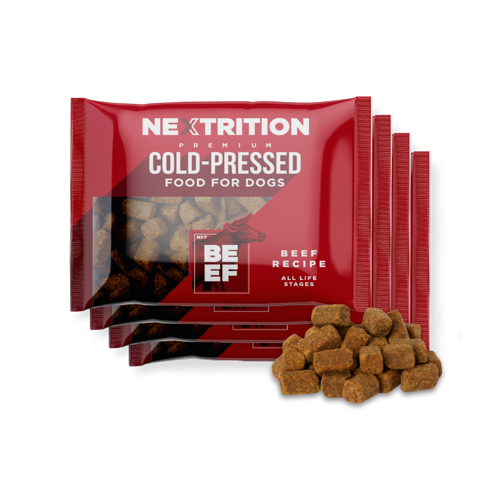
This is one reason our cold-pressed recipes are built around real meat with fruits and vegetables, in lamb, chicken, salmon, and beef. The point isn't variety for marketing. It's recipe matching. If your dog has done best on lamb in the past, start there. If salmon has historically been easier on the gut, use that information. Stool problems rarely reward guesswork.
How to Transition Without Triggering More Loose Stools
Even a good food can look like the wrong fit if the switch is rushed. Transition is part of the trial, not a side detail.
A steady progression usually works best:
- Start with a small amount of the new food mixed into the old.
- Hold that level for a few days and watch the stool.
- Increase only if stool quality stays stable.
- If stools soften, pause longer before moving up.
- Don't increase the portion just because the transition stage increased.
That last one catches people. Recipe choice matters, but portion size matters just as much. Overfeeding is one of the most common reasons soft stools continue even after a smart switch.
During the trial period, keep everything else as boring as possible. No new treats. No random chews. No splash of broth because the stool looked better yesterday and you got optimistic. Consistency gives you usable feedback.
For cautious testing, a one-time order makes sense. Once your dog is clearly doing well, regular delivery helps keep the routine stable, and dogs with sensitive digestion usually benefit from fewer interruptions.
How Long It Usually Takes to Know if It Is Working
Some dogs look better within a few days. Others need a few weeks. Both are normal.
What you want to track is not just whether the stool firms up once. Watch the full pattern:
- stool form
- frequency
- urgency
- gas
- belly sounds
- appetite
- comfort after meals
Meaningful improvement usually looks pretty ordinary in real life. Pickup gets easier. Random bad stools happen less often. Urgency drops. Stool volume often comes down. The day feels more predictable.
By the second week, you should have a clearer signal. By week three or four, you usually know whether you're seeing real progress or just noise.
Don't judge the whole food trial off one bad day. Stress, excitement, treats from a neighbor, and yard scavenging can all throw off the picture.
Signs the Food Is Helping vs Signs It Is the Wrong Fit
The helpful signs tend to cluster. Firmer stools. More consistent shape. Less gas. Smaller stool volume. Normal appetite. A dog who seems calmer after eating and not vaguely unsettled for an hour afterward.
Over time, you may notice secondary benefits too. Skin may look better. Coat may get softer or shinier. General energy can feel steadier once digestion is not constantly irritated.
Wrong-fit signs are harder to miss:
- watery diarrhea
- increasing stool frequency
- vomiting
- appetite loss
- obvious discomfort
- worsening itchiness
If the response is mild, reduce the amount and reassess. If stools improve somewhat but not enough, trying a different protein can be the smarter move than abandoning the format altogether. If symptoms worsen or your dog looks unwell, stop the trial and bring in your veterinarian.
You're not trying to prove whether all cold pressed food works. You're trying to find the right fit for your dog.
Common Mistakes That Keep Loose Stools From Improving
Most stalled cases are not mysterious. They're messy.
Common mistakes include switching too many variables at once, choosing based on marketing language instead of digestibility, feeding the bag recommendation like it's a law, and expecting premium food to solve medical diarrhea.
Another one is assuming all lower-processed diets perform the same. They don't. Research already shows different formats can produce very different effects on stool quality and the microbiome.
A few patterns we see often:
- owners add supplements before the new food has even had a week
- treats quietly make up 15% of the daily intake
- portions stay too high because the dog acts hungry
- a poorly tolerated protein gets blamed on the format itself
Food trials fail when the process is sloppy. That's the uncomfortable truth.
A Practical Decision Framework for Owners Asking if Cold Pressed Is Good for Dogs With Loose Stools
If you're trying to decide calmly instead of guessing, use this framework.
1. Rule out urgent issues first
If there are red flags like blood, vomiting, pain, lethargy, black stool, or ongoing diarrhea, get veterinary input before changing food.
2. Look for a food-related pattern
Chronic softness on kibble, gas, large stool volume, and inconsistency from one day to the next often point toward digestibility or recipe fit.
3. Pick a cold pressed recipe with a likely-safe protein
Go with a protein your dog has historically done well on. Familiar tolerance beats novelty when stools are already unstable.
4. Feed the right amount and transition slowly
This is where a personalized meal plan helps. The right recipe fed in the wrong amount still gives you the wrong answer.
5. Evaluate over 2 to 4 weeks
Not 2 to 4 meals. Gut changes need enough time to become a pattern.
6. Fine-tune before you abandon the format
If improvement is partial, adjust the amount, review extras, and consider a protein change before deciding cold pressed isn't working.
7. Stop guessing if things aren't improving
No improvement, worsening symptoms, or new symptoms means it's time for veterinary support.

Conclusion
Cold pressed dog food loose stools concerns can improve when the real issue is digestibility, harsh processing, or poor recipe fit. But the format is not a cure-all, and it shouldn't be treated like one.
Stool quality is one of the clearest daily windows into digestive and immune health. That's why the right food choice can do more than make cleanup easier. It can help settle the whole system.
If your dog's pattern looks food-related, choose a thoughtfully formulated recipe, match the protein carefully, follow a personalized feeding plan, and transition with more patience than feels necessary. Then give your dog enough time to show you the truth. A calmer gut usually gets there quietly.


