




If you're searching cold pressed dog food bad breath, you're probably past the chews and sprays and still getting that sour, stale smell. Most people treat the odor and miss what's driving it.
What matters is whether the food is sitting well, what's in it, and when bad breath is really a teeth-or-gums problem instead. We've seen owners waste weeks on quick fixes when the daily bowl was the thing worth checking first.
Start here:
- Notice when the smell hits hardest: right after meals, first thing in the morning, or all day
- If your dog has red gums, tartar, drooling, or chewing pain, food won't fix that part
- Change food slowly and watch breath, stools, and gas together so you get a clearer answer
The Short Answer: Can Cold Pressed Dog Food Help Bad Breath?
Yes, sometimes it can. But not for the reason most people hope.
If you're searching cold pressed dog food bad breath, you're probably already past the obvious fixes. You've tried dental chews, maybe a water additive, maybe a minty treat that made you feel proactive for about two days. The smell came back. That's usually the moment when it stops feeling cosmetic.
Cold pressed food can help when bad breath is being pushed by the diet itself. We see this most often when a dog is eating heavily processed food that doesn't digest especially well, leaves them gassy, or seems to sit in the stomach and come back up as that stale, sour odor owners know too well. In those cases, fresher breath is often a side effect of better digestion and cleaner ingredients.
What it can't do is fix everything.
If your dog's breath is coming from plaque, tartar, inflamed gums, or periodontal disease, food is only one piece of the picture. A better bowl doesn't scrape tartar off teeth. It doesn't heal infected gum tissue. That's treatment territory, not nutrition territory.
So the useful answer is this:
- Yes, cold pressed food may help if poor ingredient quality, digestive stress, or low digestibility are part of the problem.
- No, it isn't a cure-all for every kind of bad breath.
- And yes again, it's worth looking at the food if you've been stuck in a loop of masking the smell instead of changing what may be causing it.
Better breath is often a downstream result, not the main event.
We'll walk through how cold pressed food works, why it's different from standard kibble, what kind of improvement is realistic, and when a vet exam matters more than any food switch.
Why Your Dog’s Breath Can Reflect More Than Dental Hygiene
Bad breath is a symptom. That's the right frame for it.
A lot of dog breath problems do start in the mouth. Food gets trapped around teeth. Plaque builds. Tartar hardens. Bacteria multiply. Gums get irritated. Left alone long enough, that turns into periodontal disease, and the smell gets sharper and more persistent. Not just "dog breath." Something heavier.
But we don't love when owners are told to think about bad breath as only a dental issue, because that misses a real part of the picture. Some dogs have breath that smells off because their digestion is off. You can usually spot the pattern when the odor shows up with other things:
- gas after meals
- lip licking or swallowing repeatedly
- burping or reflux-like smell
- loose or inconsistent stools
- a stomach that just never seems settled
Highly processed food doesn't hit every dog the same way. Some tolerate it fine. Others don't. For sensitive dogs, the diet can create a low-grade digestive drag that shows up in small signals first. Breath is one of them.
That's why we tell owners not to be embarrassed by it. Get curious instead.
Your dog's breath is feedback. Not elegant feedback, but useful.
There are also times when bad breath deserves faster action. If the smell changes suddenly or comes with red gums, drooling, chewing discomfort, appetite changes, vomiting, or obvious pain, don't reduce that to a food issue. That's a vet conversation.
What Makes Cold Pressed Dog Food Different from Extruded Kibble
Cold pressed dog food sits in a middle ground that a lot of thoughtful owners are looking for. It's dry food, so it keeps the convenience. But it's made much more gently than standard kibble.
In practical terms, cold pressed food is mixed and pressed at lower temperatures, often around 40 to 80°C. Traditional extruded kibble is usually cooked at much higher heat, often around 120 to 200°C, with steam and pressure. That process expands the food into the puffed shape most people recognize.
The difference isn't just manufacturing trivia. You can see it.
How it looks and behaves
Cold pressed pieces are denser. Extruded kibble is lighter and more airy because it's been expanded.
That changes how the food handles moisture and digestion:
- cold pressed food softens and breaks down gradually
- extruded kibble tends to swell more because of its puffed structure
- cold pressed food usually feels less processed in the bowl and smells more like actual ingredients
That last part matters more than people think. A lot of conventional kibble relies on sprayed-on fats and flavor coatings to make up for what high heat strips away. With cold pressed food, more of the natural aroma and oils can remain in the food itself.
What lower heat preserves
We like lower-temperature processing because it does less damage on the way through. Some heat-sensitive nutrients, natural oils, and ingredient character are better preserved. You're keeping more of what was already good rather than destroying it and trying to add it back later.
And just to clear up a common point of confusion, cold pressed is not raw. It's still a shelf-stable dry food. It simply avoids some of the harsher processing used in standard kibble. For many owners, that's the right balance of practicality and quality.
How Cold Pressed Dog Food Supports Fresher Breath from the Inside Out
This is where the conversation gets more useful.
When digestion improves, breath often improves with it. Not because the food is acting like a breath mint, but because there's less internal mess to smell in the first place.
Some dogs on heavily processed diets deal with more fermentation in the gut, more gas, and more stale odor coming back up after meals. If food breaks down more comfortably and the stomach isn't constantly working through ingredients that don't agree with the dog, that sour or yeasty breath can ease off.
We've seen owners focus only on the mouth while the real issue is a stomach that's never quite calm.
Cold pressed food can help here for a few reasons:
- it doesn't go through the same puffing and expansion process as extruded kibble
- it breaks down gradually
- it often suits dogs with sensitive digestion better than highly processed dry food
- it tends to rely on more intact ingredients and less artificial enhancement
For our customers, the gut health piece matters just as much. Around 70% of a dog's immune system resides in the gut. So when you're supporting digestive balance, you're not just chasing better stools or less gas. You're supporting a larger system that affects comfort, resilience, skin, coat, and yes, sometimes breath.
Bad breath can be a food problem wearing a dental disguise.
That's not always the case. But when it is, masking the smell misses the point.
Does Cold Pressed Food Improve Dog Breath in Practice?
Yes, cold pressed food may improve dog breath when the previous food was contributing to digestive upset, poor tolerance, gas, or that residue-heavy feeling some dogs seem to carry after meals.
The early signs are usually subtle. Owners often expect some dramatic overnight shift, and that's not how it tends to go. What we hear more often is that breath becomes less sour, less stale, less "room-clearing." At the same time, a few other things start settling down.
You may notice:
- smaller or firmer stools
- less frequent gas
- less lip licking after meals
- calmer mealtimes
- less of that heavy post-meal odor when your dog comes over an hour later
Those details matter. Dogs usually don't improve in one isolated way.
If the food change is the right one, digestion-related changes often show up within the first couple of weeks of transition. Broader changes like coat texture, skin comfort, and overall vitality can take longer. That's normal. The gut often speaks first.
Still, it's worth saying plainly: if your dog's breath is truly foul and doesn't improve with better food, don't explain it away as normal dog breath. Some smells are telling you to stop tinkering and get the mouth or the dog examined.
Ingredients That Matter Most When Bad Breath Is Part of the Picture
If breath is part of the issue, ingredient quality stops being a branding exercise. It becomes practical.
Start with named proteins. Lamb, chicken, salmon, beef. Real ingredients you can point to. If the label leans on vague animal language, broad by-products, or filler-heavy structure, it's harder to predict how a sensitive dog will respond, and harder to trust what you're actually feeding every day.
We'd prioritize a food built around:
- clearly named animal proteins
- real meat, fruits, and vegetables
- purposeful ingredient lists
- fewer unnecessary preservatives and artificial flavor systems
- less low-value bulk for the sake of cheap volume
That doesn't just affect digestion. Better ingredients often show up in coat feel, skin calmness, stool quality, and overall energy. Health-conscious owners know this already. You don't want food that merely avoids disaster. You want food that actively supports the dog in front of you.
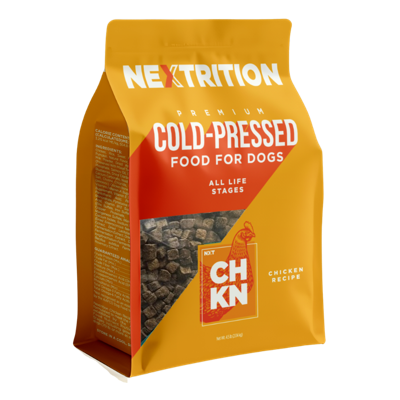
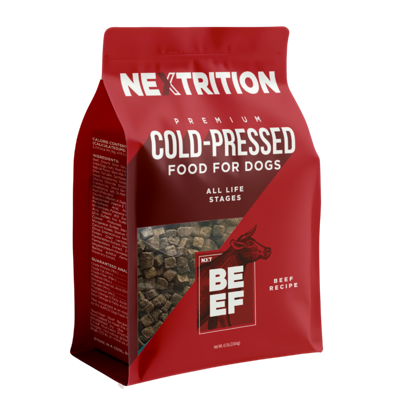
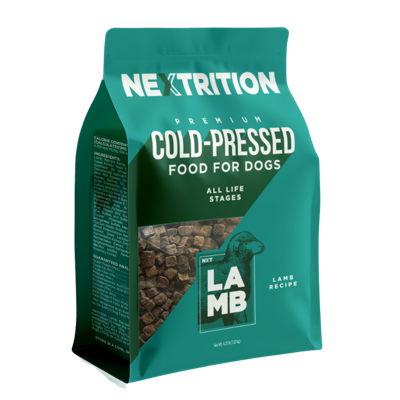
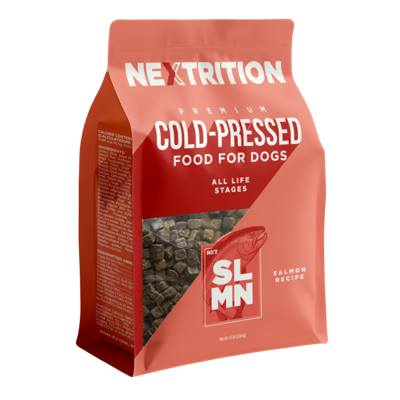
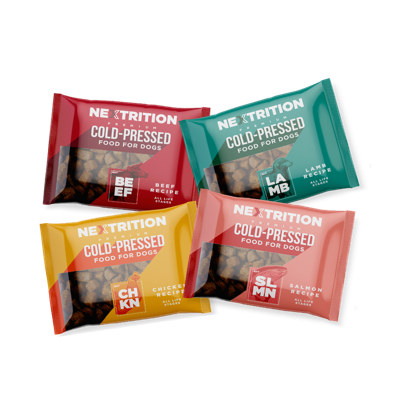
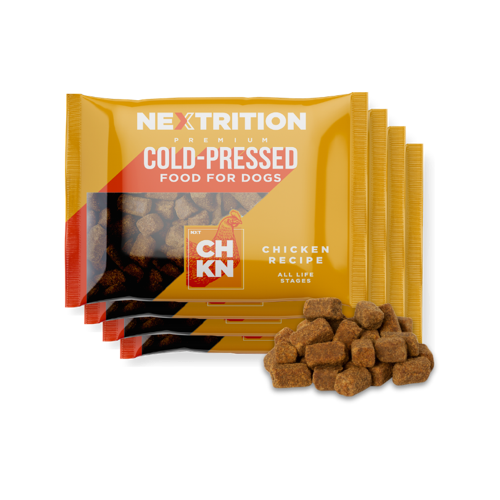
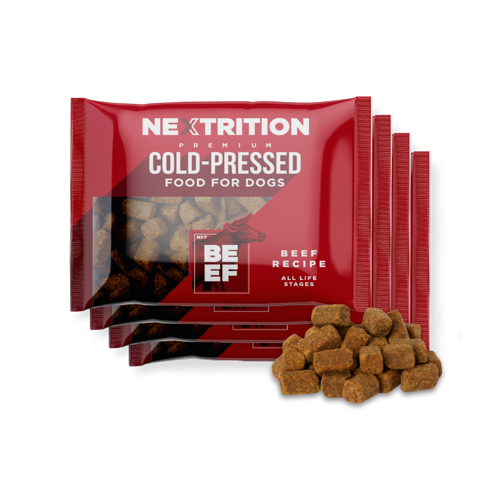
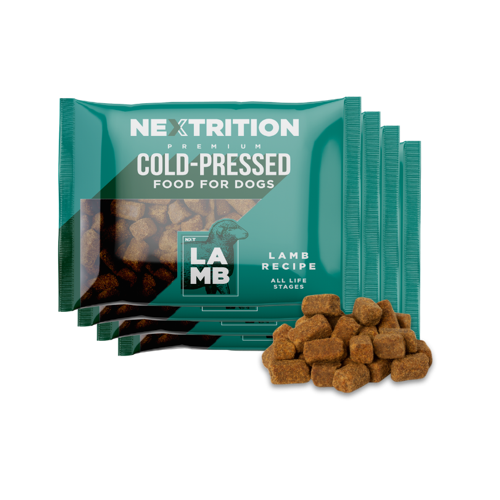
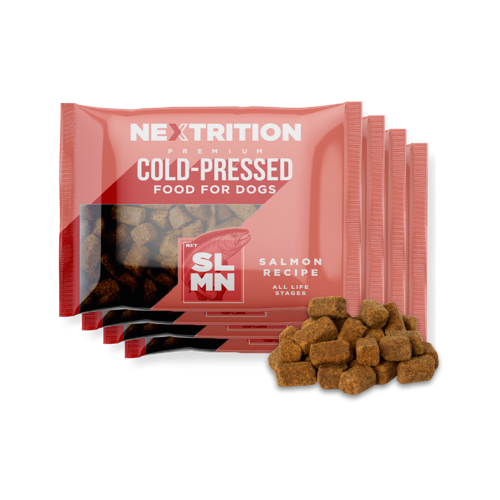
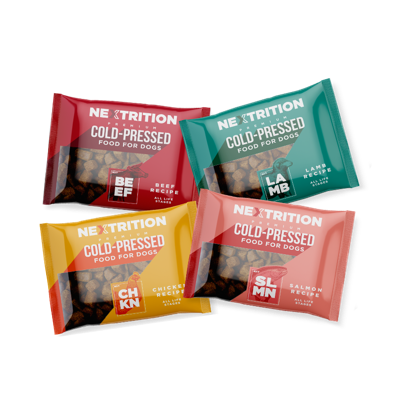
Our cold-pressed recipes are built that way, with real meat, fruits, vegetables, and Rocky Mountain waters across four formulas: lamb, chicken, salmon, and beef. Not because it sounds premium on a bag, but because ingredient integrity should be easy to evaluate.
A few supportive extras can help around the edges. Small pieces of crunchy produce like apple, carrot, cucumber, or celery can support oral freshness a bit. Useful, not magical. Parsley or mint gets mentioned a lot too, but tiny amounts are the limit and they aren't a reliable strategy on their own. We wouldn't build a breath plan around garnish.
What Cold Pressed Food Can and Cannot Fix
This is where owners make better decisions.
Cold pressed food can help when bad breath is connected to low-quality ingredients, poor digestibility, mild digestive imbalance, bloating tendencies, or a diet that simply isn't sitting well. That's a real use case, and for the right dog, it can make a noticeable difference.
What it cannot do:
- remove tartar that's already built up
- heal infected gums
- reverse periodontal disease
- diagnose liver, kidney, or metabolic problems
- replace dental care or veterinary evaluation
Food is maintenance. Treatment is treatment.
The strongest routine layers both. Premium nutrition every day. Oral care consistently. Veterinary care when symptoms cross the line from nuisance to warning sign.
Pay attention if you see any of the following:
- bleeding gums
- difficulty chewing
- pawing at the face or mouth
- a sudden dramatic change in odor
- repeated vomiting
- breath that smells unusually sweet, chemical, or ammonia-like
Those are not "let's wait and see" signals. They're "let's stop guessing" signals.

How to Switch to Cold Pressed Food Without Upsetting a Sensitive Stomach
Even good food can go badly if you rush the switch.
For most dogs, we recommend transitioning over about 7 to 14 days, especially if they're coming from standard kibble. A sensitive dog may need the longer end of that range.
A simple progression works well:
- Start with a small amount of cold pressed food mixed into the current food.
- Increase the new food gradually every few days.
- Watch stool quality, gas, appetite, and breath as you go.
- Slow down if the stomach gets noisy or stools get too loose.
Try not to change three things at once. Keep treats, toppers, and supplements stable during the transition. Otherwise, you won't know what caused what, and a straightforward read becomes messy fast.
One practical note people miss: cold pressed food is denser than puffed kibble. They can satisfy differently. Don't eyeball portions by volume and assume it's equivalent. Use feeding guidance and adjust based on your dog's condition and response.
Mild stool shifts can happen during a transition. That's not unusual. Persistent loose stool, vomiting, or refusal to eat is different. Slow the change or talk to your vet.
If you don't want to guess at where to start, a personalized meal plan helps. It usually prevents the two common mistakes: feeding too much too soon, or choosing a recipe based on marketing instead of the dog's actual history.
How to Choose the Right Cold Pressed Formula for a Dog with Bad Breath
Choose the formula for the dog, not for the headline on the bag.
If your dog has digestive sensitivity, start with a clearly labeled protein and a straightforward ingredient panel. You want the response to be easy to interpret. When a formula tries to do twelve things at once, it becomes harder to know what your dog is reacting to.
Here's what we'd evaluate first:
On the label
- named proteins, not vague meat language
- lower-temperature processing
- whole-food ingredients you can recognize
- a formula that looks built for nourishment, not just shelf life
In the dog
- stool history
- skin or coat sensitivity
- appetite patterns
- prior food reactions
- whether meals seem to leave them settled or unsettled
Premium food has to feel worth it. For most of our customers, the value isn't about the bag. It's about steadier digestion, better daily comfort, and fewer attempts to patch symptoms later with add-ons that never really solve the issue.
We offer four cold-pressed recipes, lamb, chicken, salmon, and beef, and you can build a personalized plan based on your dog's needs. If you want to test a formula first, a one-time order makes sense. If you've found a good fit, consistent doorstep delivery helps more than people realize. Dogs often do better on a stable routine than on frequent food experiments.
Consistency is underrated. A well-tolerated complete food does more for breath and digestion than constant switching ever will.
A Smarter Routine for Better Breath and Better Digestion
Food is the foundation, but it isn't the whole routine.
A smarter setup looks like daily habits working together. If you want better breath that actually lasts, pair the food with a few basics that keep both the mouth and gut in a better place:
- fresh water available all day
- regular tooth brushing or dental wipes
- slower feeding if your dog eats too fast
- routine dental checks
- a stable feeding schedule
Then track a few things weekly. Nothing complicated. Just enough to catch patterns before they turn into problems.
Keep an eye on:
- breath odor
- stool quality
- gas
- coat feel
- itching
- overall energy
This is the part many owners miss. Improvement doesn't always arrive as a big reveal. Sometimes it's your dog smelling cleaner by the second week, licking their lips less after dinner, passing less gas, and just seeming more comfortable in their own body. That's meaningful progress.
The goal isn't to cover the smell. It's to improve the system producing it.
When you shift from symptom masking to nutritional support, the whole conversation changes. And usually for the better.

Conclusion
Bad breath isn't always just a mouth problem. For a lot of dogs, daily nutrition plays a real role in how their breath smells and how their body feels.
That's why cold pressed dog food bad breath is a useful question, not a trendy one. Lower-temperature processing, more intact ingredients, real meat with fruits and vegetables, and support for digestion and gut health can all help when the issue is tied to food quality or digestive stress.
The best results come from matching the solution to the cause. If digestion is part of the problem, a complete cold pressed formula can be a meaningful upgrade. If disease is part of the problem, food should work alongside dental care and veterinary care, not instead of them.
A grounded next step is usually enough. Assess the likely cause. Transition thoughtfully. Choose a cold pressed food you can feel good feeding consistently. Then let your dog tell you, through breath, digestion, and daily comfort, whether you've moved in the right direction.


