




If you're searching for cold pressed dog food sensitive stomach options, you're probably dealing with loose stools, gassiness, or a dog that side-eyes the bowl. Most owners keep changing proteins and miss the bigger thing: processing.
What usually matters is food that breaks down more gently, with a straightforward recipe your dog can actually handle. We've learned that the hard way.
Start with this:
- One protein your dog has done well on before.
- Dense pieces that don't puff up in the stomach.
- Track stool, gas, and after-meal comfort for a week. Then you'll know what to keep feeding.
Why Sensitive Stomachs Can Feel Like a Constant Guessing Game
If you're here, you probably know the pattern already. Loose stools for two days, then things seem fine, then the gas starts up again. Maybe your dog eats, then looks uncomfortable after meals. Maybe they act hungry, then hesitate at the bowl like they remember what happened last time.
A lot of owners respond the same way because, honestly, it's the obvious thing to do. They switch proteins. They cut treats. They add a topper. They change feeding times. Then they try another bag that says “gentle” on the front. The problem is that most of those changes stay at the surface level.
Sensitive digestion isn't just about what is listed on the bag. It's also about how that food was made, how it breaks down in the stomach, and how much of the original ingredient value actually makes it into your dog's system. That's where the conversation usually gets thin.
A sensitive stomach doesn't always need a more exotic ingredient list. Sometimes it needs a gentler food.
When we talk about cold pressed dog food for sensitive stomach support, we're really talking about aligning the food with how dogs digest, not just rotating through new versions of standard kibble and hoping one finally sticks.

What Cold Pressed Dog Food Actually Means
Cold pressed dog food is dry food made by mixing ingredients gently and pressing them into dense pieces at much lower temperatures than traditional kibble. It gives you the convenience of dry food, but without relying on the same high-heat, high-pressure manufacturing method used for most kibble.
That middle ground matters. Raw feeding works for some households, but it isn't practical for everyone. Conventional kibble is easy, but it can be heavily processed. Cold pressed sits between those two.
Traditional extruded kibble is commonly processed in the 120 to 200°C range. Cold pressed food is typically made below about 80°C. At Nextrition, we make our food at 3x lower temperatures than conventional kibble because the whole point is to preserve more of what made the ingredients worth using in the first place.
You can usually see the difference right away:
- Extruded kibble tends to look puffed or airy
- Cold pressed pieces are denser and more compact
- The structure is different because the process is different
That dense structure isn't cosmetic. It changes how the food behaves once it reaches the stomach. And for dogs that are already touchy around meals, that can be the difference between “technically eats it” and actually does well on it.
Why Processing Matters as Much as Ingredients
Two bags can both list meat, vegetables, vitamins, and minerals. One can still be much harder on a dog than the other. We've seen owners focus hard on the ingredient panel while overlooking the manufacturing process entirely, and that's often where the real friction is.
Extrusion is the standard kibble process. Ingredients are turned into a dough, cooked at very high heat under pressure, expanded into kibble, dried, and then often coated with fats or flavorings. It works well for shelf stability and mass production. It isn't a gentle process.
Cold pressing takes a shorter route. Lower heat. Less aggressive handling. Fewer chances to strip away the natural character of the ingredients and then rebuild it later with coatings or synthetic replacements.
High heat can affect:
- natural aroma and flavor
- delicate oils
- some heat-sensitive nutrients
- overall ingredient integrity
That's the part many people miss. The question isn't just what's in the bowl. It's what still acts like food by the time it gets there.
Some heavily processed foods need more help after cooking because so much has changed during manufacturing. For a dog with a resilient stomach, maybe that doesn't create obvious problems. For a dog that's already reactive, every extra layer of processing can show up somewhere you notice later.
How Cold Pressed Food Digests Differently From Traditional Kibble
This is one of the biggest reasons cold pressed food for dogs with digestive issues gets so much attention. It doesn't just look different. It behaves differently in the stomach.
Cold pressed food breaks down gradually. Traditional extruded kibble tends to swell more. If your dog already gets bloated, gassy, or uncomfortable after meals, that matters more than most marketing claims on the front of the bag.
A sensitive stomach usually doesn't need more stress at mealtime. It needs food that softens and breaks down in a way the body can deal with more calmly. Less heaviness after eating. Less of that uncomfortable full look. Often less digestive drama later in the day.
In practice, owners often pay attention to a few things first:
- Stools get smaller and firmer
- Gas settles down
- Mealtime resistance eases
- The dog seems less uncomfortable after eating
None of that is flashy. That's fine. Digestive wins are usually quiet.
Because cold pressed food retains more natural flavor and aroma, some picky eaters also respond better to it. Not because they're being difficult, but because dogs that connect meals with discomfort can get cautious. We see that more often than people think. Appetite isn't always the issue. Anticipation is.
Why Gut Health Affects More Than Digestion
It's easy to treat stomach issues like a narrow problem. Loose stool in, better stool out. But gut health reaches further than that.
About 70% of a dog's immune system resides in the gut. That's a big reason we think digestive support should be treated as foundational, not optional. You're not just trying to avoid an upset stomach. You're building the conditions for better nutrient use, better resilience, and more stability across the whole dog.
The gut microbiome plays a major role here. When that internal environment is supported, your dog is generally better able to process food, absorb nutrients, and maintain balance. When it isn't, you tend to see ripple effects.
Those ripple effects often show up as things owners care about most:
- more consistent stools
- steadier appetite
- better day-to-day energy
- healthier skin
- a shinier coat
That's why constantly reacting to symptoms can keep you stuck. You clean up the mess in front of you, but you don't improve the system underneath it. A healthier gut changes more than digestion. It changes how your dog handles food, stress, and everyday life.
Which Ingredients Make Cold Pressed Food Easier on Sensitive Dogs
Ingredients still matter, of course. But for sensitive dogs, we prefer ingredients with a job to do, not ingredients that are just there to bulk out a formula or make the label sound impressive.
Start with clearly named animal proteins. Lamb means lamb. Salmon means salmon. That sounds basic, but when you're trying to figure out what your dog tolerates, vague meat sources don't help. Precision matters.
Then look at the rest of the formula. Simpler, natural ingredient lists tend to be easier to work with because they remove noise from the equation. Fewer unnecessary fillers. Fewer artificial additives. Fewer things that complicate the read on how your dog is responding.
Useful support ingredients can include:
- pumpkin, which contributes helpful fiber
- chicory root, a prebiotic fiber that helps feed beneficial gut bacteria
- fruits and vegetables, which add whole-food micronutrients and gentle variety
Lower temperature processing also matters here. If a formula includes heat-sensitive elements like probiotics or enzymes, gentler manufacturing gives you a better shot at preserving their purpose.
The goal isn't a trendy ingredient deck. It's a formula where the protein is identifiable, the supporting ingredients make digestive sense, and the process doesn't undo the value of what went in.
Signs Your Dog May Be a Good Candidate for Cold Pressed Food
Not every dog with an occasional off day needs a full food overhaul. But some patterns are worth taking seriously, especially when they keep circling back.
Your dog may be a good candidate for a cold pressed dog food sensitive stomach approach if you keep seeing things like:
- recurring bloating
- frequent gas
- inconsistent stools
- visible discomfort after meals
- repeated trouble tolerating conventional kibble
- interest in food, but hesitation at mealtime
That last one gets overlooked. A dog can seem picky when they're really just cautious. If meals often lead to discomfort, they learn fast.
Cold pressed food can also make sense if you've already tried switching flavors within the same kibble format and nothing really changes. At some point, staying inside the same manufacturing style and just changing the protein starts to look like more of the same.
That said, there are lines you shouldn't blur. Persistent vomiting, ongoing diarrhea, weight loss, severe lethargy, blood in the stool, or major appetite changes need veterinary attention. Food can support a dog. It can't diagnose one.
How to Choose the Right Cold Pressed Recipe for a Sensitive Stomach
Once you're ready to try cold pressed food, keep the decision simple. The biggest mistake we see is changing too many variables at once and then having no idea what helped.
If your dog has historically done well on chicken, start there. If lamb has always been easier on them, use that. Don't switch both the processing method and the protein source blindly if you can avoid it.
We'd look for a recipe built around:
- a clearly named protein
- real meat as the foundation
- fruits and vegetables with a purpose
- natural ingredients
- a manufacturing process designed to preserve nutrient value
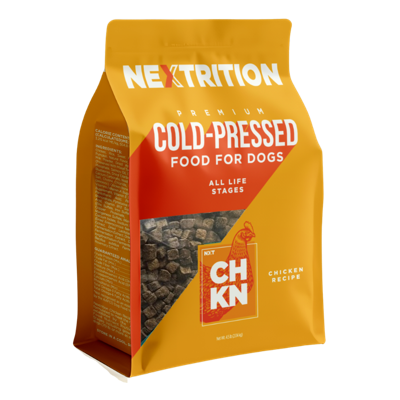
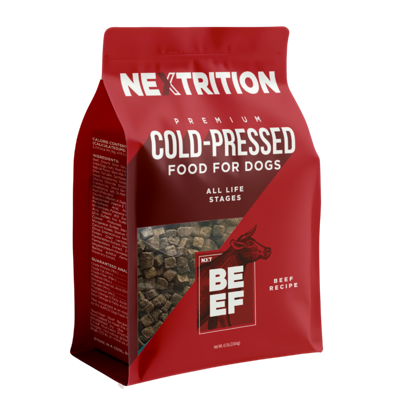
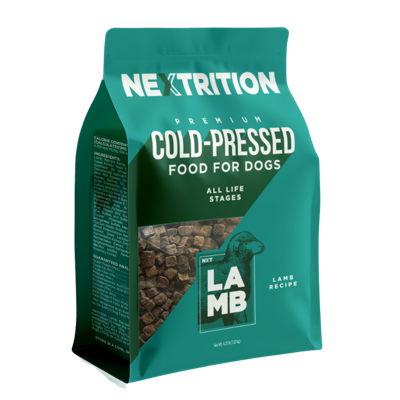
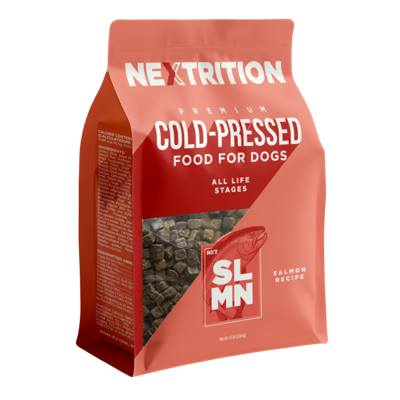
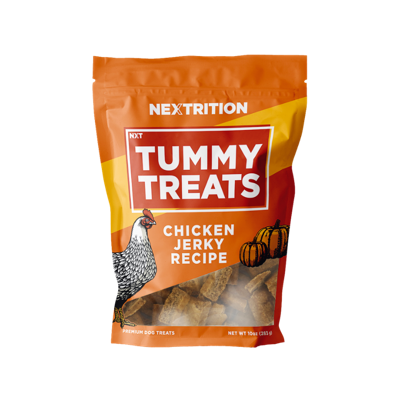
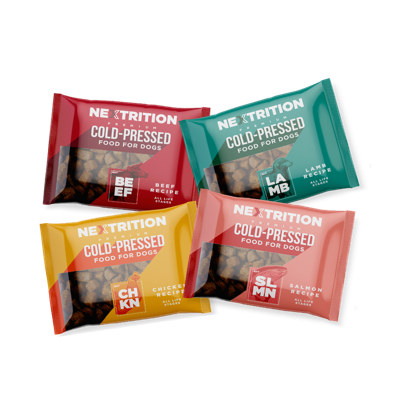
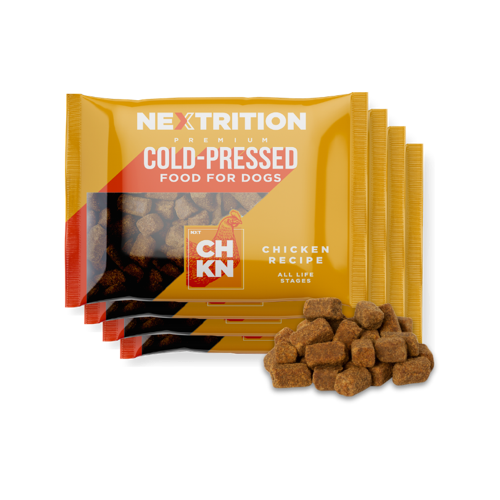
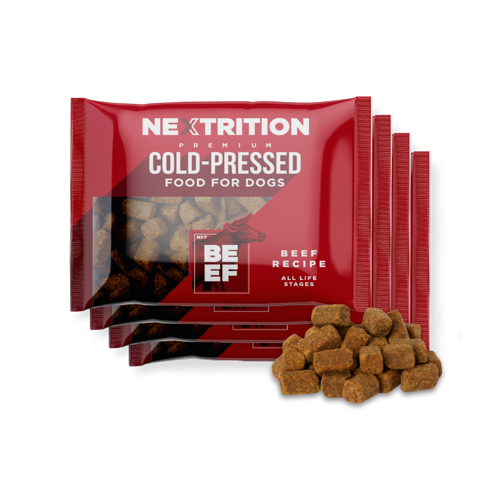
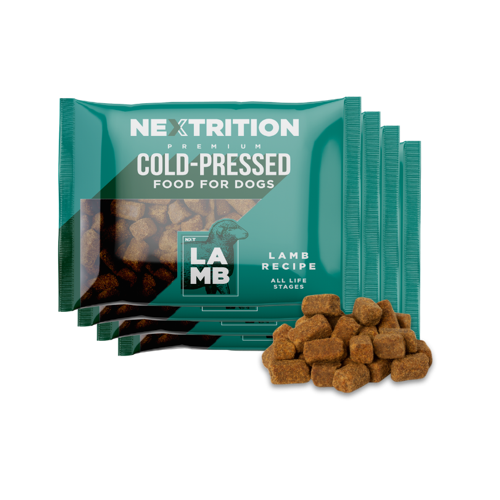
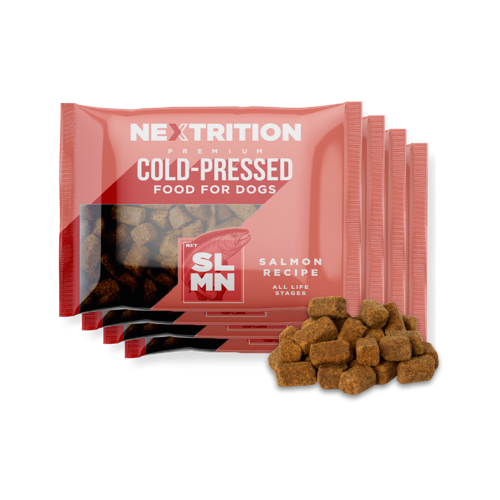
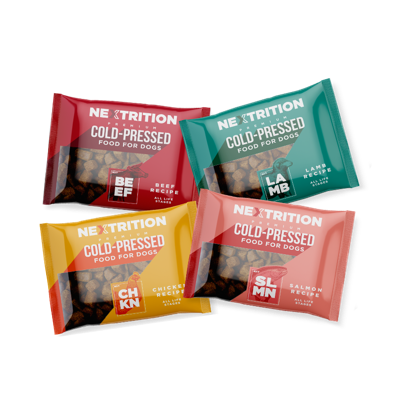
That's the standard we use in our own line. Nextrition offers four cold pressed recipes based on lamb, chicken, salmon, and beef, made with real meat, fruits and veggies, natural ingredients, and Rocky Mountain waters. Enough choice to tailor the fit, not so many variations that the process gets muddy.
For owners who are tired of guessing, a personalized meal plan helps. Sensitive stomach feeding gets stressful when every change feels loaded. Structure calms that down. And once your dog is doing well, consistency matters, which is why one-time orders and subscriptions both have a place. Running out and grabbing a random replacement is how progress gets lost.
How to Make the Switch Without Creating More Digestive Stress
A better food can still create problems if the transition is sloppy. Sensitive dogs usually need a cleaner handoff than people expect.
Go gradually. Let the digestive system adapt to the new texture, structure, and nutrient profile over time. Don't change the food, treats, toppers, supplements, and feeding schedule all in the same week. If something improves or goes sideways, you want to know why.
A simple transition log helps more than people think. Track:
- stool quality
- gas
- appetite
- comfort after meals
- energy
You don't need a spreadsheet obsession. Just enough to notice patterns by the second afternoon, the fifth day, the end of week two.
Portion size matters too. Cold pressed food can be more nutrient dense than standard kibble, and overfeeding can blur the picture fast. Sometimes owners think a new food isn't agreeing with their dog when the real issue is that they're feeding it like a puffed kibble.
Don't judge a food too quickly if the feeding amount was wrong from day one.
If you want less trial and error, a personalized feeding plan gives the switch some structure. That's especially useful when your dog has already had enough digestive surprises.

What Improvements to Watch for in the First Few Weeks
The early signs are usually small. That's actually a good sign. Real digestive improvement tends to look steady, not dramatic.
You might notice stools becoming more consistent first. Then less visible bloating after meals. Gas may taper off. Some dogs start approaching the bowl with more confidence. Others just seem calmer after eating, which is easy to miss unless you've been watching closely for months.
A few useful checkpoints:
- fewer digestive surprises over the course of the week
- a stomach that looks and feels more settled after meals
- better enthusiasm around food
- steadier energy
- coat that feels a little healthier as digestion improves
The best outcome isn't a miracle response. It's a dog that feels normal more often.
Look for trends, not one perfect day. Sensitive stomachs often improve week by week. If things are moving in the right direction with more consistency and less friction, that's usually the signal you're after.
When Food Is Not the Whole Story
It's important to leave room for nuance here. Not every digestive issue starts and ends with food.
Chronic symptoms can overlap with underlying medical problems that need proper veterinary evaluation. If your dog has severe or prolonged symptoms, weight loss, ongoing vomiting, blood in the stool, or major appetite changes, involve your vet. That's not being cautious for the sake of it. That's just good judgment.
Cold pressed food can still be part of the support plan. A gentler process and more digestible structure can absolutely help reduce digestive burden. But it shouldn't replace diagnosis when the pattern suggests something deeper.
We've always thought health-conscious dog owners make the best decisions when they stop looking for magic and start looking for fit. Food matters. Process matters. So does context.
Conclusion
Digestive relief usually doesn't come from grabbing a different bag and hoping this one somehow works out. It comes from understanding how processing, ingredient quality, and gut support work together.
That's why cold pressed food can be such a smart option for sensitive dogs. Lower temperature preparation helps preserve more of what the ingredients offer. The dense structure breaks down more gently than standard extruded kibble. And when the formula is built around real, purposeful ingredients, you're giving the gut less to fight with and more to work with.
If you're considering a cold pressed dog food sensitive stomach solution, keep the next step straightforward. Choose one well-matched recipe. Transition thoughtfully. Watch the quiet signs. Better digestion often shows up as less drama, not more.
And if you'd rather make the change with a bit more guidance, a personalized Nextrition meal plan can make the move from worry to confidence much easier.


