




When people ask how to transition dog to cold pressed food, they usually move too fast. Then the stools change, the bowl gets ignored, and they assume the food is the problem.
What matters is a calm week, the right portion, and don't panic at the first wobble. A few things are worth checking before you start.
- Start when appetite and stools are already normal.
- Weigh the new food. Cold pressed portions look smaller than kibble.
- Add warm water for fussy eaters and slow the switch if stools loosen.
Why the Transition Matters More Than Most Dog Owners Realize
Changing food sounds simple until you're the one watching the bowl and checking the next stool. A food switch isn't just a taste test. You're asking your dog's digestion, gut microbes, and eating habits to adjust at the same time.
That matters more than many owners think, especially if you're trying to transition dog to cold pressed food for a real health reason, not just variety. Most of the people we talk to aren't looking for "food that works well enough." They want cleaner ingredients, steadier digestion, better skin and coat, and nutrition that actually supports the dog they live with every day.
The gut sits at the center of this. Around 70% of a dog's immune system resides there, so a food transition isn't separate from long-term wellness. It's part of it. Rush the switch and you can create noise that has nothing to do with the food itself. Go steadily and you give the body a fair chance to respond.
The goal isn't to make the switch fast. The goal is to make it work.
A careful transition also lowers owner anxiety, which is worth saying out loud. When people get nervous, they tend to change three things at once, then can't tell what caused what. Calm process beats guesswork every time.
What Makes Cold Pressed Food Different From Traditional Kibble
Cold-pressed food is still a dry food, but it isn't made like standard kibble. That's the first thing to get clear before switching dog to cold pressed food.
Traditional kibble is usually made through extrusion, which relies on much higher heat and steam. Cold-pressed food is formed at significantly lower temperatures. In our case, Nextrition recipes are made at 3x lower temperatures using real meat, fruits, vegetables, and Rocky Mountain waters.
That lower-temperature approach matters for a practical reason, not a marketing one. It helps preserve more of the original nutritional value of the ingredients, and many owners look for it because it tends to fit a gentler digestion philosophy.
You'll also notice the food behaves differently:
- The pieces are often denser and more compact than typical kibble
- The correct portion may look smaller than you're used to
- The texture and aroma can feel different to your dog right away
- Digestion may shift because the food itself is different, not just the ingredient list
This is where people get tripped up. They pour the same bowl volume as the old kibble, then wonder why the dog seems overfed or off. Don't feed by visual habit. Cold-pressed food asks for a reset.
When a Dog Is Ready for a Food Transition
Timing matters. If your dog is already dealing with loose stool, stress, illness, appetite changes, or new medication, that's usually not the best moment to judge a new food fairly.
Start when your dog is relatively stable:
- appetite is normal
- stools are fairly consistent
- energy is where you'd expect it to be
- nothing else major is changing at the same time
Dogs with a history of food sensitivity or picky eating can still do very well on cold-pressed food. We see that often. They just usually need a slower runway. That's not fragility. That's good management.
If your dog has ongoing gastrointestinal symptoms, significant medical conditions, or is already struggling before the switch begins, talk with your veterinarian first. A new food isn't the place to solve an active medical problem by trial and error.
One practical rule we stand by: don't start a food transition in the middle of chaos and expect clean feedback.
What to Do Before You Begin
A smooth transition starts before the first new piece hits the bowl. Most problems show up because the setup was sloppy, not because the food was wrong.
Get both foods on hand before day one. You don't want to improvise halfway through because you're running low on the old food. That usually leads to an accidental hard switch.
Then tighten up the basics:
- Choose a consistent measuring method. A scale is best. Cold-pressed food is nutrient-dense and easy to overfeed by eye.
- Audit the extras. Treats, table scraps, freeze-dried toppers, broth, chews. They all count.
- Decide how you'll introduce it. Some dogs do fine with mixed meals. Others do better when the new food is offered separately in tiny amounts first.
- Pick one variable to watch. Stool is usually the cleanest signal, but appetite and mealtime behavior matter too.
If you want more structure before you start, our personalized meal plan can help match the right recipe and portion approach to your dog's size, routine, and preferences. That's useful when you know the dog isn't generic and don't want to feed like they are.
A Safe Step-by-Step Schedule for Transitioning to Cold Pressed Food
For most healthy adult dogs, we recommend a gradual 14-day transition. Not because every dog needs exactly 14 days, but because it's a steady pace that gives you room to observe instead of react.
Days 1 to 3
Keep the main meal familiar. Introduce a very small amount of cold-pressed food separately, almost like a side sample or high-value treat.
This stage helps the dog adjust to the smell, texture, and taste without turning the whole meal upside down. For cautious dogs, it's the difference between curiosity and refusal.
Days 4 to 10
Start increasing the cold-pressed food while reducing the old food little by little. Many dogs do well with the foods combined in one bowl at this point.
If your dog is fussy, don't force a full mix right away. Side-by-side feeding can work better for a few days. It's less elegant, but it often gets cleaner buy-in.
Days 10 to 14
Keep phasing out the old food until the bowl contains only the new cold-pressed diet. If stools stay normal and appetite remains steady, most dogs can finish the switch within this window.
For sensitive dogs, stretch the process closer to three weeks. If stools become too loose or too frequent, slow down. Don't push through just because the calendar says you should be done.
A slower transition is usually a sign of attention, not failure.
One more point people overlook: even when moving from one cold-pressed food to another, a gentle transition is still the smarter play. New protein, new fat level, new ingredient balance. Your dog still notices.
How Much to Feed During the Switch
The most common feeding mistake is simple. Owners assume the new food should fill the bowl the same way the old food did.
It usually shouldn't.
Cold-pressed food is compact and nutrient-dense, so an appropriate portion can look surprisingly small at first. That's why we strongly prefer weighing meals whenever possible. A scoop is easy. A scale is accurate.
Feeding guides are starting points, not instructions carved in stone. Your dog's ideal amount depends on:
- age
- breed and size
- activity level
- metabolism
- whether they maintain weight easily or not
Watch the dog, not just the chart. Over a couple of weeks, assess body condition, stool quality, energy, and how settled they seem after meals.
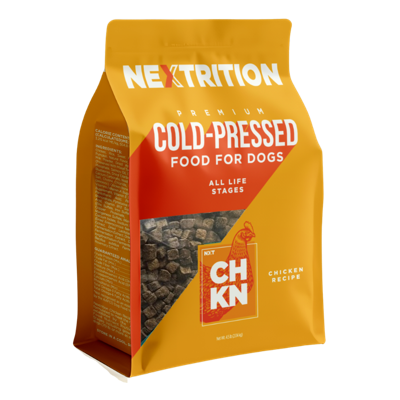
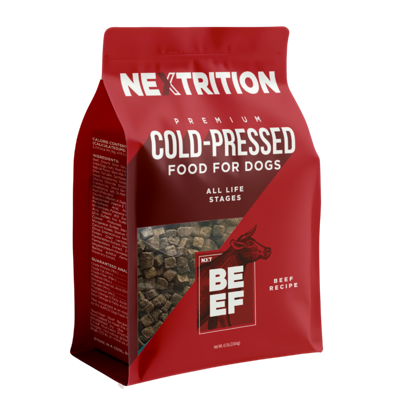
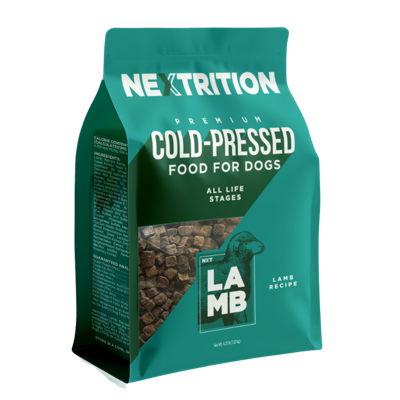
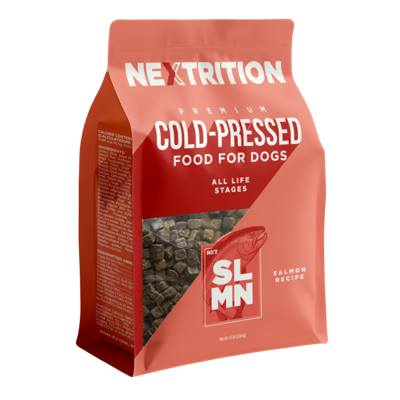
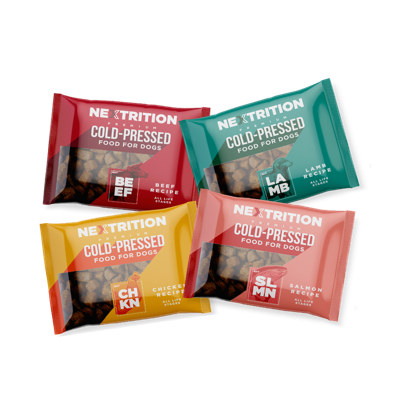
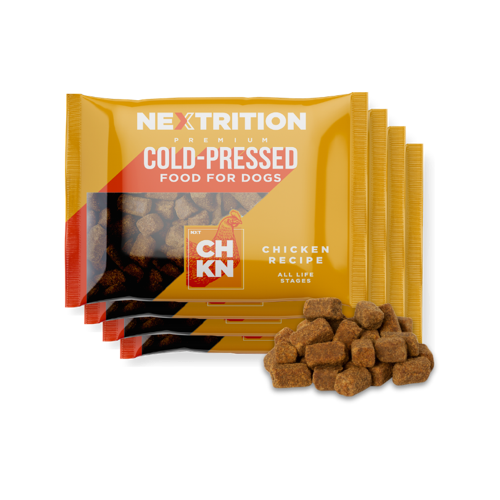
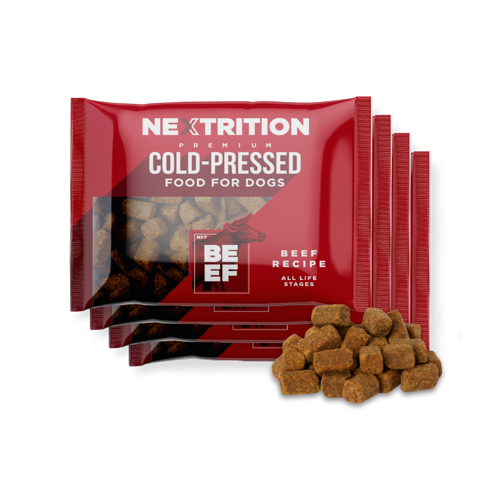
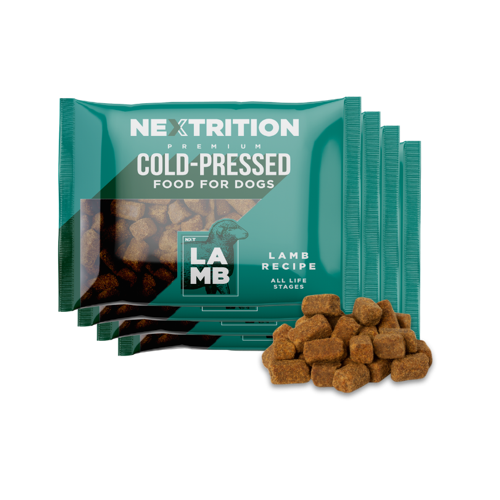
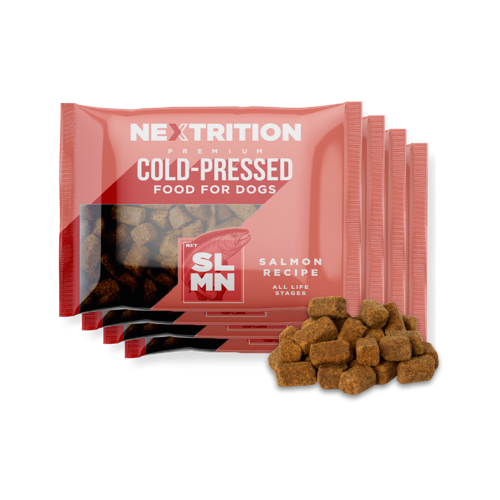
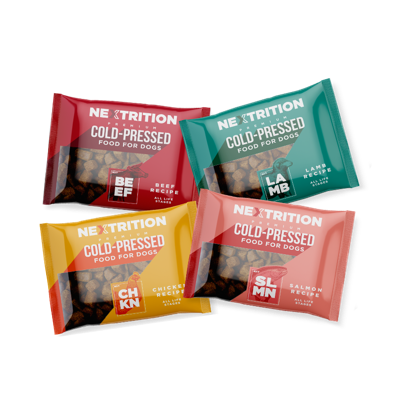
Protein choice also plays into how well the switch goes. We offer four cold-pressed recipes, lamb, chicken, salmon, and beef, so you can choose based on what your dog tends to do best on. If you already know your dog has a preference or mild sensitivity pattern, use that information. Don't ignore it because a bag design looked convincing.
How to Make Cold Pressed Food More Appealing for Picky Eaters
Picky dogs rarely need drama. They usually need a more thoughtful presentation.
Start with warm water. Add a small amount to the food and let it sit briefly. This softens the pieces, releases more aroma, and creates a light coating from the food itself that can make the meal much more appealing.
If you've ever reached the bottom of the bag and noticed the fine powder, use it. Mixed with warm water, it makes an excellent topper because it's already the same food, just more aromatic and easier for selective dogs to accept.
A few tactics work well here:
- Offer meals for about 30 minutes, then pick them up
- Pull back on frequent treats and table scraps during the transition
- Start with very small amounts of the new food if your dog gets suspicious fast
- For selective dogs, let the warm water break the food down into a softer mash
Leaving food out all day sounds harmless, but it often creates a slow negotiation. Structured mealtimes are cleaner. Dogs learn the routine quickly when we stop renegotiating every meal.

What Is Normal During the First Few Weeks and What Is Not
During the early phase of switching dog to cold pressed food, some adjustment is normal. Mild stool changes can happen. Some dogs may pass stools a bit more often at first, or they may be slightly softer for a short stretch.
That doesn't automatically mean the food is wrong. Often it means the digestive system is recalibrating, especially when the food is easier to digest than what came before. Sometimes the fix is not "stop." It's "slow down."
Here's what to monitor closely:
- stool consistency
- appetite and enthusiasm at meals
- energy level
- coat softness and shine
- skin comfort
Many owners start noticing early benefits within a few weeks after the transition is complete, especially around digestion, energy, and skin or coat appearance. But don't force a verdict too early. Day four is not a fair trial.
Not normal is persistent digestive upset, repeated vomiting, refusal to eat, or symptoms that worsen instead of settling. That's the point to pause, reassess the pace, and if needed, check with your veterinarian.
Common Mistakes That Make the Transition Harder Than It Needs to Be
Most difficult transitions are made, not found. The pattern is pretty consistent.
The first mistake is switching too quickly because the dog seems excited on day one. Interest is not adaptation. A dog can love the taste and still need time to adjust.
The second is feeding by appearance instead of by weight. Cold-pressed portions can look small, so people compensate with extra food and create their own problem.
Then there are the extras. A new topper, a spoonful of something from dinner, training treats, chew sticks. Suddenly the dog is eating five variables and the owner is blaming one.
A few more that show up often:
- assuming one loose stool means the new food failed
- giving up after one picky meal instead of using warm water and a firm routine
- treating every dog the same, regardless of age, history, or sensitivity
- changing the plan too often because owner anxiety takes over
That last one matters more than people admit. Anxious owners tend to overcorrect. A steadier plan usually gets the better result.
How to Personalize the Switch for Your Dog’s Needs
Generic advice gets you started. It doesn't finish the job. The right way to transition dog to cold pressed food depends on the dog in front of you.
If your dog has sensitive digestion
Extend the timeline. Keep ingredients simple during the switch and monitor stools closely. If things soften up, don't panic and don't sprint forward. Hold the current ratio or step back slightly.
If your dog is picky
Go smaller, not bigger. Start with tiny amounts, use warm water, and keep meals on a consistent schedule. Selective dogs often respond better when the routine is stable and the presentation is improved.
If your dog is active
Watch body condition and energy carefully as you adjust portions. High-output dogs may need more than the starting guide, but earn that increase with observation, not assumption.
If your dog does well with rotation
Introduce one recipe at a time. Don't rotate proteins too quickly during the first transition. Once your dog is settled, then you can decide how much variety actually helps.
If consistency is the hard part, a personalized meal plan and flexible one-time or subscription delivery can make life easier. Not because it sounds nice, but because running out of the right food halfway through a transition is a preventable mistake.
How to Know the Transition Has Worked
Success isn't just getting through 14 days without a mess. It's reaching a point where feeding feels steady again.
You'll usually know it's working when:
- your dog is eating reliably and finishing meals with normal enthusiasm
- stools are stable and predictable
- portions feel dialed in instead of guessed
- you feel less anxious because the dog's feedback is clear
Early wins often show up as steadier digestion, more comfortable skin, a shinier coat, and balanced energy. Sometimes the first sign is smaller than that. The dog just seems more settled. Don't dismiss that.
Good nutrition should feel repeatable, not fragile.
That's the real marker. You've built a daily routine that supports your dog from the inside out, and it no longer feels like you're hoping for the best every time you fill the bowl.
Conclusion
A careful transition dog to cold pressed food approach is much easier once you break it into manageable steps. Start small, move gradually, weigh portions, use simple strategies for picky eating, and slow down if your dog needs more time.
Food doesn't have to feel like a gamble. With a thoughtful process, switching dog to cold pressed food can become one of the most reliable ways to support gut health, immunity, skin, coat, and long-term vitality.
Choose the recipe that fits your dog best, set a calm timeline, and pay attention to the dog in front of you. That's usually where the right feeding routine starts.


