




Cold pressed dog food shelf life gets misunderstood all the time. People look at the date, shrug, and miss what actually changes first: smell, oils, texture, and whether the food still has the value you bought it for.
What matters is not just whether a bag is still "safe," but how well it holds up once you open it and start feeding from it every day. If you care about digestion, coat condition, and freshness, the small handling stuff matters more than most people think.
A few things worth getting right before the bag sits too long:
- Unopened cold pressed food can last for months, but once opened, oxygen and humidity start doing damage fast.
- Fish based or higher fat recipes usually need tighter storage habits than people expect.
- A bag kept in its original packaging, sealed well, and used on time is a lot easier to trust at the bottom of the scoop.
What Cold Pressed Dog Food Shelf Life Actually Means
When people ask about cold pressed dog food shelf life, they’re usually asking two things at once. How long does it stay safe, and how long does it stay worth feeding?
Shelf life is the period when the food remains safe, stable, appetizing, and nutritionally useful if you store it the way it’s intended. That last part matters more than most labels let on. A bag can still be technically shelf-stable while drifting away from the freshness, aroma, fat quality, and nutrient value you bought it for.
Best-by dates aren’t just about obvious spoilage. They also reflect texture changes, oxidation, fading aroma, and how well more delicate nutrients hold up over time.
A food can last on the shelf and still lose some of what made it a good food in the first place.
That’s the real frame for this article. Not just whether cold-pressed food lasts, but how well it protects ingredient integrity while it does.
How Long Does Cold Pressed Dog Food Last?
Here’s the direct answer. Cold-pressed dog food is generally shelf-stable and, when unopened, can last for months.
Research-backed examples vary. Some cold-pressed products can be stored for up to 9 months. Other references put a typical natural cold-pressed shelf life around 6 to 8 months. Both can be true, because there isn’t one universal number that covers every formula or every brand.
A few things shift that timeline:
- moisture control
- fat and oil profile
- packaging quality
- storage conditions
- how the food was formulated in the first place
So if you’re asking how long does cold pressed dog food last, the right answer is this: check the best-by date on the specific bag in your hands. Don’t borrow assumptions from another product.
Once the bag is open, the clock changes. Oxygen gets in. Humidity gets in. Your day-to-day handling starts to matter. A tightly sealed bag in a cool pantry holds up very differently than one left loosely folded beside a warm appliance.
Why Cold Pressing Changes the Shelf Life Conversation
Cold-pressed food is still a dry food. But it isn’t made the same way as standard extruded kibble, and that changes the conversation.
Traditional kibble is commonly made at much higher temperatures. Cold-pressed food is produced at lower temperatures, roughly 3 times lower than conventional kibble processing. That’s not a branding flourish. Processing temperature affects nutrient retention, flavor integrity, fat stability, and how much a manufacturer has to add back later.
You can usually see the difference in the piece itself. Cold-pressed food tends to be denser, not puffed. That tells you something about the manufacturing method before you even read the bag.
For health-conscious dog owners, the point isn’t just that the food sits on a shelf without refrigeration. The point is that lower-temperature pressing aims to preserve more of the useful value from real meat, fruits, and vegetables while still fitting real life.
That’s how we think about it at Nextrition. If you can make a dry food with natural ingredients, Rocky Mountain water, and a gentler process, you don’t have to choose between convenience and care.
What Makes Cold-Pressed Food Shelf-Stable in the First Place
Shelf stability starts with moisture. More specifically, it starts with how much available water is left in the food.
Water is one of the main drivers of spoilage because it gives microorganisms a better environment to grow. Cold pressing removes most of the water from the ingredients, which is why this type of food can stay shelf-stable without refrigeration or freezing.
That separates it clearly from fresh or raw diets, which hold far more moisture and usually need cold storage from the start.
There’s a second layer here. Natural oils can contribute a bit to stability, but moisture reduction is doing the heavy lifting. Still, dry doesn’t mean untouchable. Oxygen, heat, light, and poor storage keep working on the food after the bag is filled.
A simple way to think about it:
- Less moisture helps prevent microbial spoilage.
- Good packaging helps limit oxygen and humidity exposure.
- Smart storage slows down the decline in freshness and fat quality.
Shelf-stable doesn’t mean immortal. It means managed.

Shelf Life vs. Nutrient Integrity: The Difference Smart Dog Owners Care About
This is where better questions start. A food can last. That doesn’t automatically mean it’s still delivering the kind of nourishment you intended to buy.
Harsher processing can damage proteins, oils, and heat-sensitive nutrients. So two foods may begin with similar ingredients on paper and land very differently in the bowl. Ingredient lists don’t tell the whole story. The process changes the outcome.
For most of our customers, this isn’t academic. You’re watching digestion, stool quality, skin, coat, energy, and whether your dog seems to thrive consistently, not just eat willingly. And because around 70% of a dog’s immune system resides in the gut, digestibility and ingredient quality matter well beyond the label.
Cold pressing matters here because it aims to preserve more of what is naturally present in real ingredients instead of leaning as heavily on rebuilding after high-heat processing.
You see this over time, not in a marketing line. Firmer stools. More stable appetite. A coat that looks less dull by the second or third week. The bowl tells the truth eventually.
Cold Pressed vs. Extruded Kibble on Shelf Life and Freshness
If you’re deciding between formats, don’t reduce the question to which one lasts the longest. That’s too shallow to be useful.
Extruded kibble is usually processed with higher heat, steam, and pressure, then dried and often coated afterward with fats, oils, or vitamins. Cold-pressed food is formed at lower temperatures into denser pieces, which can help preserve natural flavor and some heat-sensitive nutritional qualities.
The tradeoff is real. Heavily processed kibble can sometimes have a longer shelf life. Natural cold-pressed food may have a somewhat shorter window. But that shorter window can come with a different nutritional and digestive profile that many thoughtful dog owners actually prefer.
Some cold-pressed advocates also point to the denser structure and how it breaks down differently than puffed kibble. We’d be careful not to overclaim there, but it’s fair to say the physical format becomes part of the digestion conversation.
The better food isn’t always the one that survives the longest in a warehouse.
For many people, the practical question is whether the food keeps more of its intended value while still being easy to store, serve, and finish on time.
What Affects How Long Cold Pressed Dog Food Lasts at Home
Once the bag gets to your house, your habits start shaping the outcome. This is where premium food can quietly get mishandled.
The biggest variables are pretty straightforward:
- Storage environment: cool, dry, dark spaces protect the food better than warm kitchens, sunny corners, garages, or humid laundry rooms.
- Packaging condition: the original bag is usually designed to help preserve freshness. If it gets punctured or resealed poorly, oxygen and moisture creep in faster.
- Opening frequency: every scoop introduces fresh air. Over weeks, that affects aroma, fats, and texture.
- Batch age at purchase: even with small-batch foods, it’s still smart to check the best-by date instead of assuming it’s ultra-fresh.
- Formula composition: foods with natural oils, fish ingredients, or higher fat content need a little more storage discipline.
- Household handling: wet scoops, dirty bins, and topping off old food with new are common mistakes.
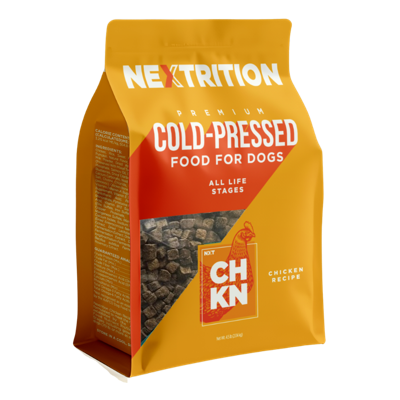
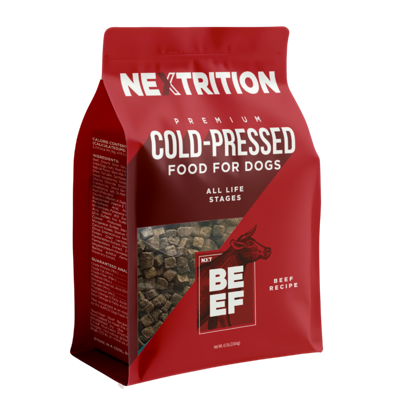
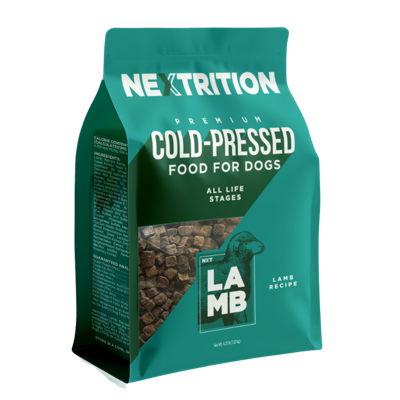
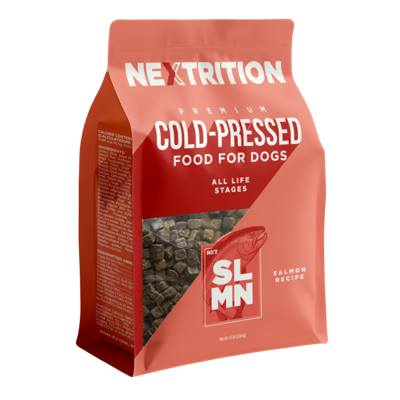
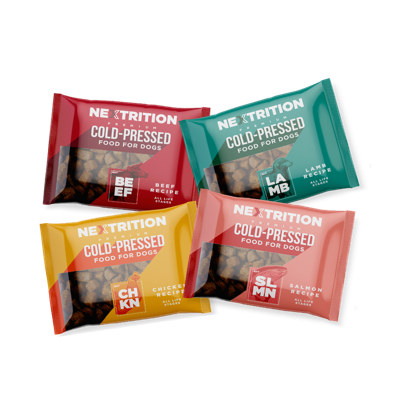
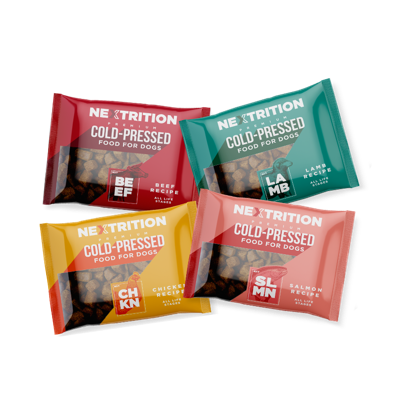
Recipe choice matters too. If you’re rotating between lamb, chicken, salmon, or beef, pay attention to the package guidance for the specific formula. Salmon recipes, for obvious reasons, deserve especially careful storage once opened.

How to Store Cold-Pressed Dog Food Properly After Opening
This part is simple, but simple gets ignored all the time.
Keep the food in a cool, dry place away from direct sun, ovens, dishwashers, garages, or anywhere with temperature swings. Seal the bag tightly after each use. If the food came with a zip closure, use it every time. Some brands recommend keeping the food in the supplied storage bag for a reason.
If you like using a bin, the safest approach is usually one of these:
- put the original bag inside a clean storage bin
- or use a fully dry, clean bin that won’t introduce moisture or stale residue
Clean the bin before a new bag goes in. Old oil buildup turns into a freshness problem faster than people expect.
Use a dry scoop only. No damp measuring cups from the sink. No reaching in with wet hands. Small things matter here.
And buy an amount your dog can reasonably finish while the food is still in strong condition after opening. That’s one reason we offer both one-time orders and subscriptions. Some households are testing a recipe or transitioning slowly. Others want a regular rhythm so food arrives before they’re scrambling, but not so much that half a bag sits around going flat.
Signs Your Cold-Pressed Dog Food Is No Longer at Its Best
You don’t need to rely on dates alone. Your senses are part of the quality check.
Watch for signs like:
- a stale or off smell
- clumping or visible moisture exposure
- unusual changes in color or texture
- more surface oil than seems normal for that recipe
- a dog suddenly reluctant to eat food they usually enjoy
Spoilage doesn’t always announce itself dramatically. Oxidation and nutrient decline can start before you see mold or anything obviously wrong.
If the food seems compromised, don’t talk yourself into using it just because it’s still within date. Best-by dates and real-world sensory checks work together. One doesn’t replace the other.
Common Shelf Life Mistakes That Undermine a Premium Food
Most shelf life problems at home aren’t manufacturing problems. They’re handling problems.
We see the same ones over and over:
- leaving the bag open or loosely folded between meals
- storing food in hot spots like porches, sheds, garages, or near appliances
- pouring fresh food over old food in a dirty bin
- buying a large bag that stays open too long for a small dog
- ignoring the best-by date because the food “looks fine”
- assuming all dry dog foods age the same way
That last one gets expensive. Premium food made with real meat and natural ingredients doesn’t behave exactly like heavily processed bargain kibble. It shouldn’t be treated like it does.

Is a Shorter Shelf Life a Bad Thing?
Not necessarily. In natural pet food, a somewhat shorter shelf life is not automatically a flaw.
Sometimes it reflects less aggressive processing and fewer compromises in the character of the ingredients. There’s a tradeoff between maximum longevity and preserving more of the food’s original nutritional qualities. That’s just the truth of it.
A product that lasts longer on paper isn’t automatically the better fit for digestion, skin and coat support, or gut-focused immune health. Convenience matters, yes. But convenience without quality is a thin win.
Properly made, properly stored, and realistically purchased cold-pressed food can give you both. That’s the target.
How to Choose the Right Quantity and Delivery Rhythm
Shelf life becomes much easier to manage when you stop buying by guesswork.
Choose quantity based on your dog’s size, daily feeding amount, and how quickly the bag will be finished after opening. A small dog on a giant bag is usually a bad match. A personalized meal plan helps because portion guidance gets tied to the actual dog, not a rough estimate off the top of your head.
At Nextrition, we use personalized meal planning for exactly that reason. It helps you avoid overbuying, underfeeding, and stale leftovers.
One-time purchases make sense when:
- you’re trying a recipe for the first time
- your dog is picky
- you’re transitioning gradually
Subscription delivery tends to work better when you already know the fit and want a steady freshness rhythm with less waste and less last-minute buying.
Questions Dog Owners Commonly Ask About Cold Pressed Dog Food Shelf Life
A few questions come up repeatedly, so let’s keep them clean and direct.
Can cold-pressed dog food be stored without refrigeration?
Yes. It’s a shelf-stable dry food. But it still needs cool, dry storage.
How long does cold pressed dog food last once opened?
It varies by product and storage conditions. Follow the package guidance and take sealing and storage seriously.
Does cold-pressed dog food last as long as kibble?
Not always. Natural cold-pressed foods may have a somewhat shorter shelf life than more heavily processed kibble.
Why does lower-temperature processing matter for shelf life?
Because shelf life isn’t only about preventing spoilage. It’s also about protecting nutritional usefulness, flavor integrity, and ingredient quality over time.
Can I buy in bulk?
Only if your dog will finish it within a reasonable freshness window after opening. Bigger isn’t better if the last third of the bag is tired.
Does recipe type matter?
It can. Different ingredient and oil profiles can affect how carefully you need to store the food, so follow the guidance for the specific recipe.
Conclusion
Cold pressed dog food shelf life is bigger than a date stamp. It’s the result of processing method, moisture control, packaging, storage, and how the food is handled once it reaches your home.
A well-made cold-pressed food can absolutely offer both convenience and care. But it works best when you treat freshness as part of the feeding routine, not an afterthought.
Check the best-by date. Store the bag properly. Choose an order size, or a personalized plan, that helps your dog finish each bag while it’s still at its best.


