




Dog gas gut health questions usually start after a room-clearing fart, but one episode rarely tells you much. The trouble is the pattern owners wave off: foul gas, big soft stools, belly noise, then another sensitive-stomach day.
What matters is what happens around meals and in the yard afterward. Food that is poorly tolerated or rushed into the bowl leaves more to ferment. Start by noticing:
- Gas that returns after the same chew, topper, or protein
- Stool volume and softness over 7 to 14 days, not one messy pickup
- A simple meal-and-stool log that replaces guesswork with a clear next move
The Short Answer: Sometimes, Yes
Dog gas and gut health are connected, but gas by itself doesn't automatically mean your dog has a serious problem. Most dogs will have an off day now and then. They eat too fast, swallow air, sneak something weird on a walk, or start a new food and their gut complains for 24 hours.
The question changes when gas stops being occasional and starts becoming a pattern. If it's frequent, unusually foul, or shows up with soft stool, stomach noises, or post-meal discomfort, then yes, dog gas gut health becomes a real issue worth paying attention to.
Here's the practical frame we use:
- One random gassy evening is usually just that
- Repeated gas after meals is feedback
- Repeated gas plus stool changes is a stronger signal
- Repeated gas plus weight loss, vomiting, or pain needs a vet
This article will help you sort normal from not normal, and figure out what to do before you start changing five things at once.
Why Dogs Get Gas in the First Place
Gas usually comes from two places. The first is swallowed air. The second is fermentation in the gut. Those sound simple, but they behave very differently.
Swallowed air tends to show up in dogs that bolt meals, pant hard around feeding time, get anxious, or run around right before or after eating. These dogs may burp more, seem bloated after meals, or pass gas without much change in stool.
Fermentation is the bigger gut health conversation. Some fermentation is normal. Gut microbes break down food that isn't absorbed earlier in digestion. That's part of how the system works. The issue starts when too much undigested material reaches the lower gut. Then microbes have more fuel, gas production rises, and the smell often gets worse.
That detail matters. Volume, smell, and frequency don't always point to the same thing.
What the pattern can tell you
- A lot of gas, not especially smelly can lean more toward swallowed air or a short-term food disruption
- Very foul gas often suggests more putrefactive activity in the colon
- Frequent gas after the same meal raises questions about digestibility or tolerance
- Gas plus big, bulky stools can mean too much food is passing through without being used well
A useful rule: when food isn't broken down and absorbed efficiently, the colon ends up doing work the small intestine should've handled earlier. Your dog pays for that later.

When Gas Is Probably Harmless
A temporary gassy spell usually has a story behind it. Most owners know it once they slow down and think through the last day or two.
Common short-term causes include:
- an abrupt food change
- rich treats or table scraps
- eating too fast
- mild stress from boarding, guests, or routine changes
- getting into trash, yard debris, or something odd outside
Harmless gas usually passes pretty quickly. Your dog still eats normally, energy stays normal, and stool either looks fine or goes back to normal fast. That's the difference. It's not just the gas. It's the whole dog.
Context beats one symptom in isolation.
We've seen owners overreact to a single bad night, then create more stomach trouble by changing food too fast, adding supplements, and cutting treats all at once. That muddies the picture. If your dog had one weird day after stealing bacon grease, that isn't a mystery.
When Gas Starts Looking Like a Gut Health Problem
This is where the question shifts from annoyance to useful data. If the gas keeps happening, gets worse, or travels with other digestive changes, it starts looking less random.
Watch for these signs together, not separately:
- soft stools
- large stool volume
- stool that changes from firm to loose day to day
- straining
- vomiting
- visible discomfort after meals
- loud stomach noises
- appetite changes
- weight loss or trouble maintaining weight
Stool quality and stool odor often change before owners fully clock that the gut is off. We hear it all the time: "The gas was bad for a while, but now that you mention it, the stools have been bigger and less consistent too." That's usually how this shows up in real life. Quietly.
Repeated gas after the same protein, chew, topper, or treat also matters. That may point to poor tolerance rather than random stomach upset. So if you're asking, is excessive gas a sign of gut problems in dogs, the honest answer is yes, it can be, especially when it becomes a pattern instead of a one-off event.
Common Root Causes of Excessive Gas in Dogs
Most cases don't start with a dramatic diagnosis. They start with food, feeding habits, or ingredient mismatch. That's why it's smart to work from the obvious outward.
Diet-related causes
Low digestibility is high on the list. So are filler-heavy formulas, very processed foods, sudden switches, rich foods, and too many treats or chews. A dog can eat "enough" and still digest poorly. Owners miss that all the time because the bowl is getting emptied.
Ingredient sensitivity or intolerance
Some dogs repeatedly get gassy after the same protein or ingredient mix. You may also see itchy skin, soft stool, or an appetite that goes from eager to picky for no clear reason. That doesn't always mean allergy. Sometimes it just means poor fit.
Microbiome imbalance
Stress, antibiotics, illness, or months on a food that doesn't sit well can shift the gut microbial balance. The dog doesn't need to be in crisis for this to matter. Sometimes the first signs are just odor, belly noise, and a dog who suddenly seems "off" after meals.
Fiber mismatch
Too little fiber can make stools irregular. Too much fiber, or the wrong kind for that dog, can increase fermentation and gas. More fiber isn't always better. That's one of those ideas that sounds healthy until the room smells like a chemistry project.
Eating behavior
Bolting meals, begging, scavenging, and swallowing air can all pile on. The food may be decent, but the delivery system is chaos.
Medical causes
Some cases need veterinary input sooner:
- parasites
- chronic digestive inflammation
- malabsorption
- pancreatic issues
- food responsive enteropathy
Not every gassy dog is seriously ill. But repeated gas deserves curiosity, not dismissal.
Why Gut Health Matters Beyond Farts
It's easy to treat gas as a nuisance problem. Smelly, embarrassing, mildly funny. That's not the useful lens.
Your dog's gut does a lot more than process food. It helps break down nutrients, supports stool quality, protects the intestinal barrier, shapes the microbiome, and supports immune function. Roughly 70% of immune function is tied to the gut. So when digestion is off, the effects don't stay neatly contained in the digestive tract.
Poor digestion can show up as:
- lower comfort after meals
- weaker nutrient absorption
- softer or bulkier stools
- stronger stool and gas odor
- less overall vitality
Gas is often one of the earlier signs that something in the digestive process isn't working cleanly. It's not always dramatic. That's exactly why owners miss it. The body rarely sends a memo. It sends patterns.
What Current Research Suggests About Gas, Stool Quality, and the Microbiome
The good news is that mild, food-responsive digestive issues can improve faster than people expect. Not overnight, but not in some vague "give it a few months" way either.
In a 28-day study on dogs with mild digestive imbalance, digestive health improved by day 7. Dogs that started with poor stool consistency or high stool volume also improved by day 7. Stool odor improved in the first week. By day 28, flatulence dropped by 45% and vomiting dropped by 51%.
That's meaningful. Especially if you've been living with a dog who clears the room every evening.
One detail from that research is easy to miss but worth keeping: the microbial changes happened mostly in smaller, subdominant bacterial groups, not by completely remaking the whole microbiome. For owners, that matters because improvement doesn't require some dramatic biological reset. Small shifts can still change how a dog feels and what comes out the other end.
Research on foods with targeted fermentable fibers points the same direction. The right fiber support improved stool scores and reduced markers linked to fecal putrefactive metabolism compared with a control food.
Plain English? When the issue is mild and food-responsive, the right nutrition can improve gas, stool quality, and odor pretty quickly.
| Finding | Study | When reported | What changed |
|---|---|---|---|
| Overall digestive health | 28-day prebiotic-postbiotic supplement study in dogs with mild GI imbalances | Day 7 | Significantly improved |
| Poor stool consistency at baseline | 28-day prebiotic-postbiotic supplement study in dogs with mild GI imbalances | Day 7 | Significantly improved |
| High stool quantity at baseline | 28-day prebiotic-postbiotic supplement study in dogs with mild GI imbalances | Day 7 | Significantly improved |
| Stool odor | 28-day prebiotic-postbiotic supplement study in dogs with mild GI imbalances | First week | Improved |
| Flatulence | 28-day prebiotic-postbiotic supplement study in dogs with mild GI imbalances | Day 28 | Proportion of dogs with flatulence reduced by 45% |
| Vomiting | 28-day prebiotic-postbiotic supplement study in dogs with mild GI imbalances | Day 28 | Proportion of dogs vomiting reduced by 51% |
| Overall microbial community architecture | 28-day prebiotic-postbiotic supplement study in dogs with mild GI imbalances | End of study | Not altered; changes were mainly in subdominant taxa |
| Stool scores and fecal putrefactive metabolism signals | 4-week crossover food study with a polyphenol-rich fermentable fiber bundle | 4 weeks | Stool scores improved and fecal putrefactive metabolism signals were suppressed versus the control food |
How to Tell Whether Your Dog’s Gas Is Food-Related
Before changing foods, treats, chews, toppers, and supplements all in one weekend, track the problem. A short log beats guesswork.
For at least 7 to 14 days, note:
- when the gas happens
- how often it happens
- how strong the odor is
- whether it follows certain proteins, treats, chews, or toppers
- stool quality and stool volume
- vomiting, burping, or belly noises
Also check recent variables. This is where patterns usually show up.
Review the obvious triggers
- new food or treats
- antibiotics or other medication
- boarding, travel, or routine stress
- more table scraps than usual
- faster eating than normal
- gas on an empty stomach
- gas after exercise
- gas after high-fat rewards
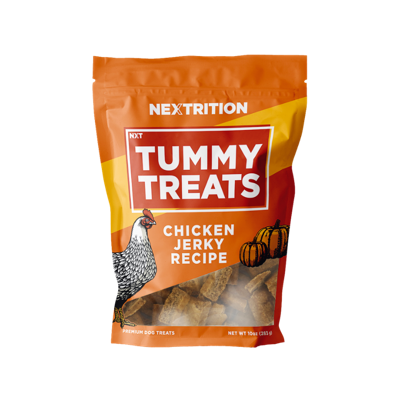
A dog who's gassy every time chicken jerky shows up is telling you something. A dog who's only gassy after daycare and scarfed dinners may be swallowing half the room with the food. Those are different problems. Treat them differently.
Food Choices That Can Help Reduce Gas and Support Gut Health
If gas keeps coming back, the food deserves a hard look. We don't mean just the protein on the front of the bag. We mean digestibility, ingredient clarity, fiber balance, and how the food is made.
In general, we'd prioritize:
- real meat as the nutritional anchor
- simpler, recognizable ingredients
- good digestibility
- balanced fiber
- gut-supportive additions when they suit the dog
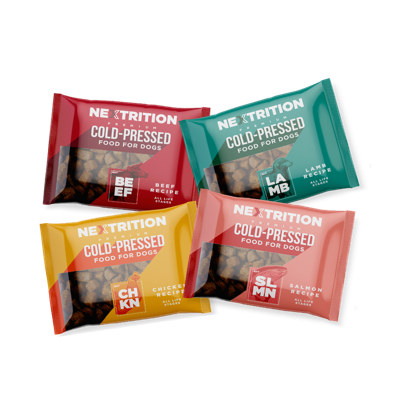
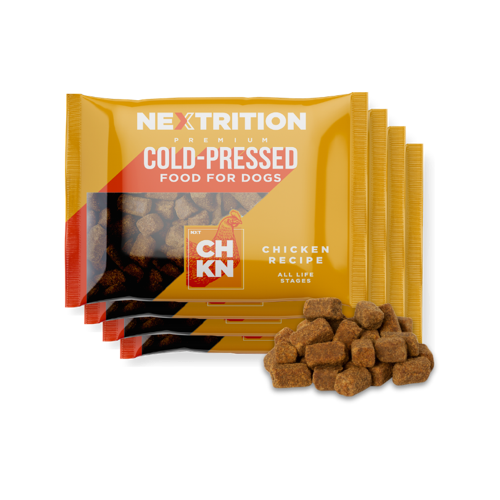
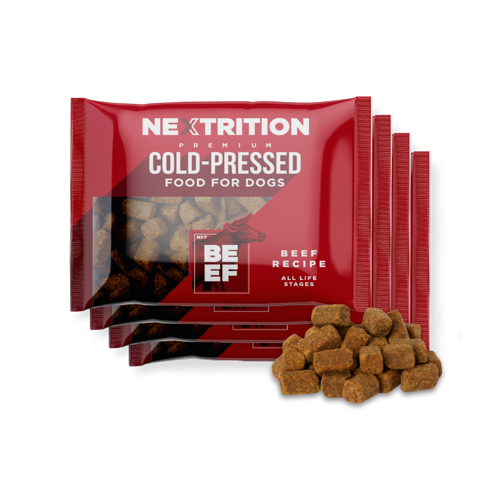
Lower-processing approaches matter here. Traditional high-heat kibble can be convenient, but convenience isn't the same thing as digestive ease. Our cold-pressed recipes are made at lower temperatures than standard kibble, which helps preserve nutrients and supports easier digestion. That's the whole point of a body-first feeding approach.
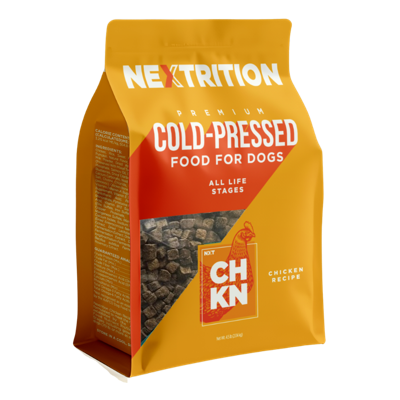
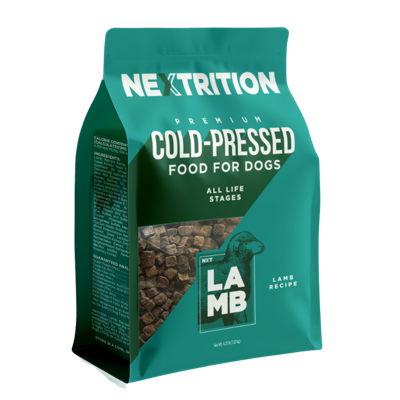
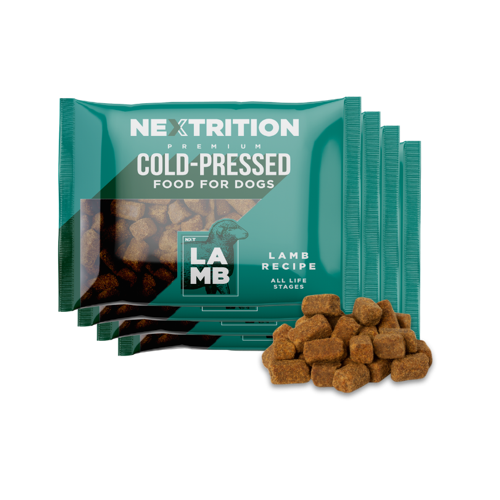
For owners actively comparing digestion-focused options, our Dog Food for Gut Health collection is where we'd start. If your dog seems sensitive to long ingredient lists or common proteins, simpler single-protein options make reactions easier to spot. Our All-Natural Lamb Recipe is a good example for dogs whose owners want a lamb-based food with digestive support, especially when stomach sensitivity is already on your radar.
This isn't about chasing novelty. It's about removing friction from digestion.
Ingredients and Food Features Worth Paying Attention to
The label matters, but not in the way social media usually pretends it does. You don't need ten trendy add-ins. You need a food your dog can actually use well.
A few features can help dogs prone to gas:
- natural fiber for stool regularity
- ingredients that feed beneficial gut bacteria
- simple protein choices
- fewer unnecessary extras
Pumpkin is useful for many dogs because it supports digestion without making things complicated. Chicory root and prebiotic fiber can help support the microbiome. In some digestion-focused formulas and related collections, probiotics and postbiotics can also play a role.
Now the other side. Foods can be harder on sensitive dogs when they rely on heavy processing, long and muddy ingredient decks, or a constant parade of leftovers and random treats on top. Even a good food can cause gas if it's introduced too fast, or if your dog simply doesn't tolerate one ingredient in it.
Food quality matters. Food fit matters too. Those are not the same thing.
How to Switch Foods Without Making Gas Worse
A lot of owners create the very problem they're trying to solve by switching too fast. The dog's old food wasn't working, so they dump it on Friday and start fresh Saturday morning. By Sunday, the gas is worse. That's not proof the new food failed. It may just be a rough transition.
We'd use a 5 to 7 day changeover as a baseline:
When changing your dog’s diet
-
Begin gradually
Start with mostly old food and a small amount of new food
-
Increase slowly
Increase the new food a little each day
-
Adjust for sensitivity
Slow down further if your dog has a sensitive stomach
During that window, keep the rest of the routine boring:
- pause rich treats
- skip table scraps
- keep meal timing steady
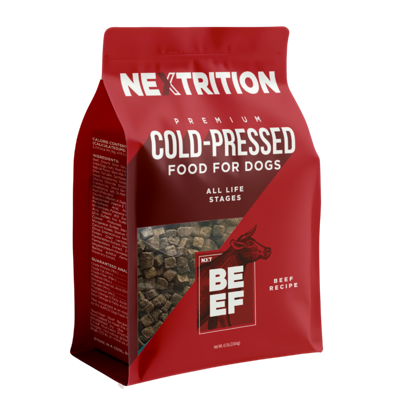
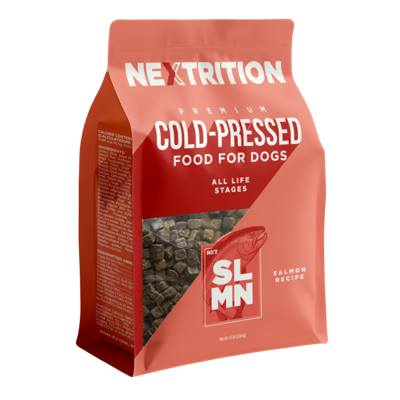
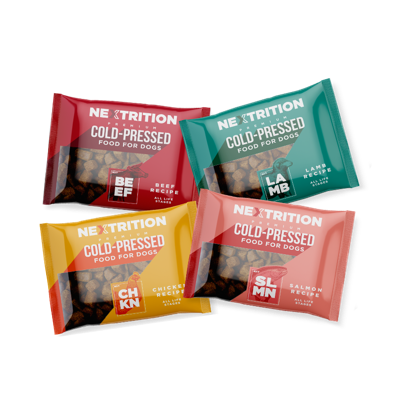
If you're testing tolerance and don't want to commit to a full bag immediately, our Trial Variety Pack is practical. It lets you compare proteins and watch how your dog responds before locking into one recipe.
Don't judge the switch by enthusiasm alone. Plenty of foods are easy to love and hard to digest.
Simple Non-Food Steps That Can Reduce Gas
Food is usually the center of the issue, but management still matters. Small habits can cut down gas, especially if swallowed air or routine chaos is part of the picture.
A few that help:
- split meals for dogs that inhale food
- use a slower feeding method if your dog bolts meals
- keep treats consistent and stomach-friendly
- avoid hard exercise right before and after meals
- don't rotate foods and extras just to keep things interesting
- keep the daily routine steady
Sensitive dogs often do better with less novelty, not more. Owners get bored long before dogs do.
These steps support better digestion. They don't replace better food if the diet itself is the mismatch.
When to Call Your Vet Instead of Trying to Solve It Yourself
Some gas belongs in the "watch it" category. Some doesn't.
Call your vet if you see:
- a swollen or hard abdomen
- repeated vomiting
- diarrhea that keeps going
- blood in stool
- lethargy
- refusal to eat
- pain when touched
- weight loss
- a sudden severe change in gas pattern
A distended abdomen can be an emergency, especially if your dog also seems restless, painful, or unproductive when trying to vomit. Don't sit on that.
Bring a symptom log and the current food details to the appointment. That's much more useful than saying, "He's just been kind of gassy lately." Home nutrition changes make sense when the issue is mild and stable. Acute or severe signs are a medical problem first.
What a Clinical Diet Trial Found in Dogs With Chronic Enteropathy
Recurring gas with vomiting, diarrhoea, weight loss, or ongoing poor stool quality is not a good candidate for endless at-home food experiments. In a randomised, double-blind crossover trial of 13 dogs with chronic enteropathy, a hydrolysed-protein diet was associated with lower clinical-activity and faecal scores during the dietary-treatment periods. Lower scores indicate fewer gastrointestinal signs and improved stool quality.
| Measure | Baseline mean | Post-diet low | Post-diet high |
|---|---|---|---|
| Clinical activity score (CIBDAI) | 4.2 | 1.3 | 1.5 |
| Faecal score | 3.9 | 2.2 | 2.3 |
Both diet versions improved scores, and adding the tested probiotic did not produce a statistically significant difference between them. This was a small study of dogs already diagnosed with chronic enteropathy, not a test of a general gas remedy. Still, it reinforces the practical dividing line: persistent digestive signs deserve a veterinary work-up and a targeted diet plan rather than repeated, unsupervised food swaps.
Conclusion
Dog gas can be harmless. It can also be useful feedback that your dog's digestion, food fit, or gut balance isn't where it should be.
If the gas is recurring, foul-smelling, or tied to soft stool, belly noise, discomfort, or appetite changes, don't brush it off as just gross. Watch the pattern. Stool quality, odor, frequency, and comfort usually tell the real story.
Start simple. Clean up the diet. Transition thoughtfully. If the issue looks food-related, a digestion-focused approach can make a real difference. And if warning signs show up, get your vet involved early. The goal isn't just fewer farts. It's a dog who feels better from the inside out.
Article Record
ReferencesPrimary sources used for this article
- Frontiers | Adding a polyphenol-rich fiber bundle to food impacts the gastrointestinal microbiome and metabolome in dogs
- Frontiers | Beneficial effects of a prebiotic-postbiotic supplement on digestive health and fecal microbiota in dogs and cats
- Abrupt Dietary Change and Gradual Dietary Transition Impact Diarrheal Symptoms, Fecal Fermentation Characteristics, Microbiota, and Metabolic Profile in Healthy Puppies
- Apparent total-tract macronutrient digestibility, serum chemistry, urinalysis, and fecal characteristics, metabolites and microbiota of adult dogs fed extruded, mildly cooked, and raw diets1
- Gastrointestinal Effects and Tolerance of Nondigestible Carbohydrate Consumption
- Medical Conditions That Can Cause Gassiness in Dogs


