




If your dog throws up kibble, do not chalk it up to bad manners. We've seen that mess come from gulping, a dry food that sits hard, or a gut that is not handling the bowl well.
What matters is timing, texture, and how your dog acts after. Get those right and you can stop guessing. Start here:
- Food that comes back up fast and looks may be regurgitation, not vomiting.
- Hard kibble and speed can leave dogs bloated and hungry again.
- If water will not stay down or the belly looks tight, call your vet. You want calm meals.
What It Usually Means When Your Dog Throws Up Kibble
If your dog throws up kibble, it's hard not to second-guess yourself. Was it too much food, too fast, the wrong food, or something more serious? That concern is valid. Repeated vomiting should not be brushed off as a weird habit.
In most cases, dogs aren't being dramatic or stubborn around food. When a dog throws up kibble more than occasionally, we look first at digestive mismatch. The food may not agree with your dog. The feeding routine may be setting them up to fail. Sometimes it's both.
Some dogs handle dry, heavily processed food without obvious issues. Others don't. They bloat after meals, lick their lips, seem uncomfortable, bring food back up, or vomit outright. That difference matters more than label claims.
The bigger lens here is gut health. A stomach episode is rarely just a stomach episode when it keeps happening. Digestion, nutrient use, stool quality, immune resilience, even skin and coat can all trace back to what's happening in the gut.
This guide will help you sort out why it happens, when it's urgent, and how to think more clearly about easy to digest dog food if standard kibble isn't working.
Repeated kibble vomit is usually a signal, not a personality trait.
How to Tell if It Is Vomiting or Regurgitation
This distinction gets missed all the time, and it changes what you do next. Owners often say "vomiting" when the dog may actually be regurgitating, which points to a different problem.
Regurgitation is usually quieter and more passive. It often happens soon after eating, sometimes within minutes. The food tends to look mostly undigested, may come up in a tubular shape, and can be coated in mucus. There's often little or no retching, and the dog may act completely normal right after.
Vomiting is more active. You usually see some buildup first.
Common signs of vomiting include:
- lip licking
- drooling
- pacing or restlessness
- heaving or retching
- partially digested food
- bile mixed in
- a tired or subdued dog afterward
That difference matters because fast eating, reflux, esophageal irritation, stomach inflammation, and food intolerance don't all lead to the same fix. A slow feeder may help one dog and do nothing for another.
If you're struggling to explain what happened, take a short video for your veterinarian. That's one of the most useful things you can do in a messy moment, and it often tells the story faster than a long description.

Why Kibble Can Be Hard to Digest for Some Dogs
So, is kibble hard to digest? For some dogs, yes. Not all, but enough that we think it's a question worth asking early, not late.
Most standard kibble is made through extrusion, which uses high heat and pressure. That creates a shelf-stable product, but it can also change the food in ways sensitive dogs don't handle well. Proteins can be altered. Natural enzymes present in ingredients are reduced. Nutrient losses often need to be patched back in with added vitamins and minerals after processing.
That doesn't automatically make all kibble bad. It does mean the final product is more engineered than many owners realize.
Texture plays a role too. Dry, puffed kibble takes on moisture after your dog eats it. Some dogs seem fine with that. Others look uncomfortable, especially when the meal sits heavily before breaking down. If your dog throws up kibble shortly after eating, the physical form of the food may be part of the problem, not just the ingredient list.
Ingredient quality matters as well. Sensitive dogs often struggle more with:
- filler-heavy formulas
- lower-quality meat byproducts
- artificial additives
- preservatives that don't sit well with them
We'd say this plainly: a dog can react to both the form of the food and what's in it. That's often where owners get stuck. They keep changing proteins but stay inside the same harshly processed category, then wonder why the pattern continues.
Some dogs look fine on standard kibble until you really watch them. Loose stool twice a week. Grass eating. Morning bile. A little itchiness. Breath that's off. The body usually whispers before it starts shouting.
Other Common Reasons a Dog Throws Up Kibble
Food processing is one possible driver, but it isn't the only one. Sometimes the bowl setup or meal timing is doing more damage than people expect.
Fast eating is a big one. Dogs that inhale meals swallow air along with food, and that alone can trigger regurgitation soon after eating. We usually start simple here:
- use a slow feeder or puzzle bowl
- split one large meal into two or three smaller meals
- keep the dog calm for a bit after eating
It sounds basic because it is. Basic fixes still count.
Food sensitivities also show up in messy, inconsistent ways. A protein that doesn't suit your dog, or an additive buried in the formula, can trigger more than stomach upset. Watch for patterns like gas, loose stool, intermittent vomiting, ear irritation, or itching alongside the kibble issue. Digestive strain rarely stays in one lane.
Then there are the less convenient possibilities: reflux, esophageal irritation, gastritis, or broader gastrointestinal problems. Those become more likely when the vomiting is frequent, the dog seems uncomfortable, or the pattern doesn't improve with feeding changes.
Timing can matter too. Some dogs vomit more when meals happen right before bed, or right after heavy play or exercise. A full stomach and a hard run are not a great combination.
If appetite, stool, or energy has changed, don't spend weeks trying to self-diagnose. That's the point where curiosity should give way to a veterinary conversation.
What Repeated Kibble Vomiting Can Reveal About Gut Health
At some point, this stops being about a single symptom. Repeated kibble vomiting usually tells us the gut is under strain.
The gut does a lot more than move food through. It helps absorb nutrients, supports the intestinal barrier, influences metabolism, and plays a major role in immune function. Roughly 70% of a dog's immune system is tied to the gut, which is why poor digestion rarely stays limited to digestion.
A dog with a stressed gut may not just vomit. You may also see inconsistent stool, lower resilience, skin flare-ups, odd appetite shifts, or that hard-to-describe feeling that they're just not doing as well as they should.
One factor here is dysbiosis, which means the gut microbiome is out of balance. When that balance gets shaky, digestion becomes less resilient. Dogs can go from "mostly fine" to reactive very quickly after a food change, a period of stress, or weeks on a food that never really fit them.
Research comparing minimally processed diets with extruded kibble gives this some practical weight. In a controlled crossover study in healthy dogs, a minimally processed diet produced firmer stools than extruded kibble. Those same dogs also had a lower post-meal blood sugar response, and their gut microbiome shifted meaningfully depending on the diet. Even with individual differences between dogs, diet was a major driver.
For owners, that translates into a few useful truths:
- stool quality is daily data
- after-meal comfort matters
- blood sugar and hormone response affect how a dog feels, not just what the lab says
- more digestible food can change more than vomiting frequency
This is the part people often underestimate. Better gut health can show up as steadier energy, cleaner stools, better skin, and a shinier coat. The bowl reaches farther than most people think.
When Throwing Up Kibble Could Be an Emergency
Most episodes are not emergencies. Some absolutely are. You need a clean line here so you don't wait too long.
Contact your veterinarian promptly if vomiting is repeated, forceful, or happens with any of the following:
- inability to keep water down
- lethargy or weakness
- a swollen or firm abdomen
- heavy drooling
- repeated unproductive retching
- trouble breathing
- blood in the vomit
- severe or persistent diarrhea
Bloating deserves special attention. A distended stomach can become dangerous fast, and repeated attempts to vomit with little coming up is especially concerning. Don't monitor that for the rest of the day. Act on it.
Puppies, senior dogs, and dogs with known digestive conditions have less room for error. They should be assessed sooner rather than later.
Not every case where a dog throws up kibble is food-related. Once red-flag signs show up, the food question moves to the background.

What Easy to Digest Dog Food Actually Looks Like
A lot of foods get called gentle or sensitive, and that label alone doesn't tell you much. Easy to digest dog food should be judged by what it is, how it's made, and how your dog actually does on it.
In practical terms, we look for:
- real, named animal protein
- fewer unnecessary fillers
- recognizable natural ingredients
- a format that breaks down more gently than hard, dry puffed kibble
- processing that is less harsh on nutrients
This is where format matters. Extruded kibble is the standard, but it's not the only way to feed dry food. Cold-pressed and other minimally processed formats can be easier for some dogs to handle because the food isn't subjected to the same extreme heat and pressure.
Lower-temperature processing matters more than most labels admit. It can help preserve more of what's naturally present in the ingredients, and we think nutrient preservation matters. Food should do more than deliver calories.
Some dogs also do better when the bowl is built around real meat plus fruits and vegetables, rather than heavily refined, starch-forward formulas. Not because it's trendy. Because some dogs simply use that food better.
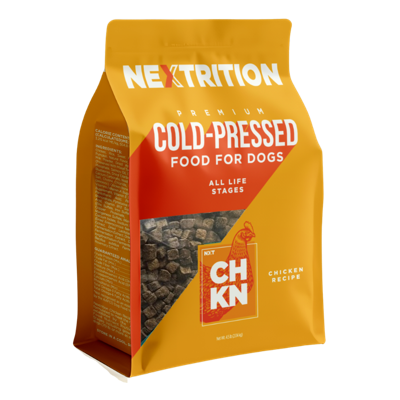
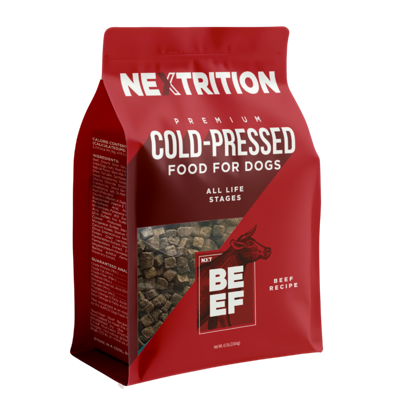
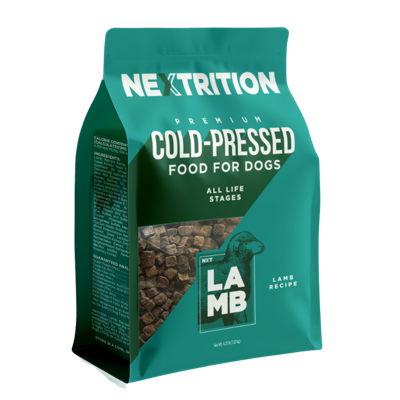
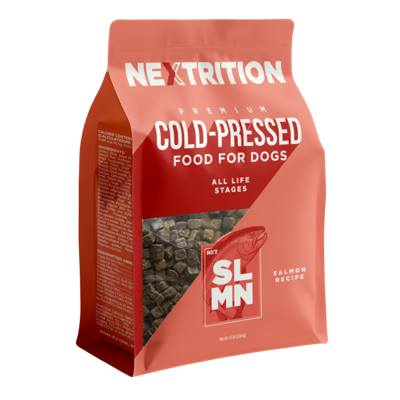
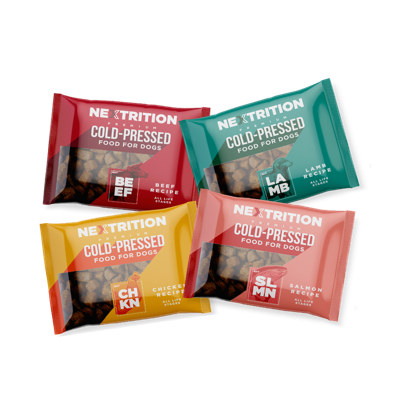
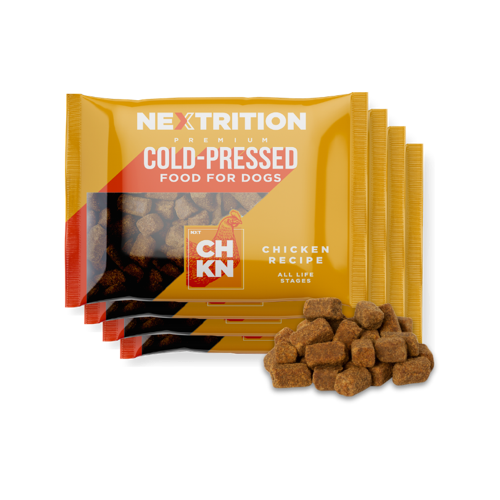
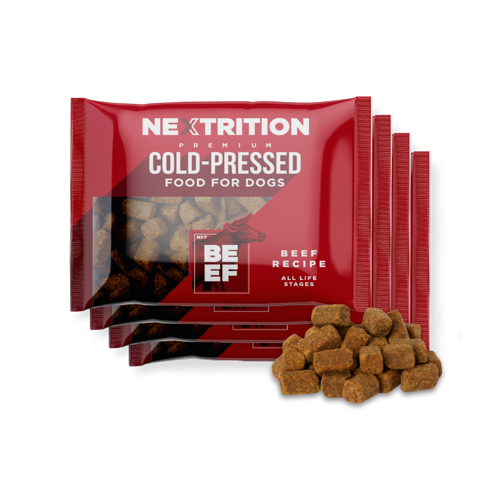
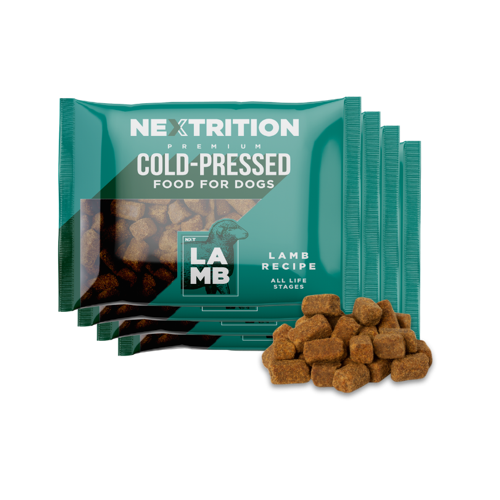
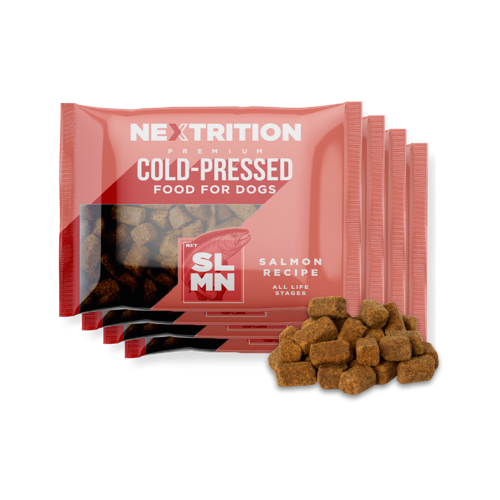
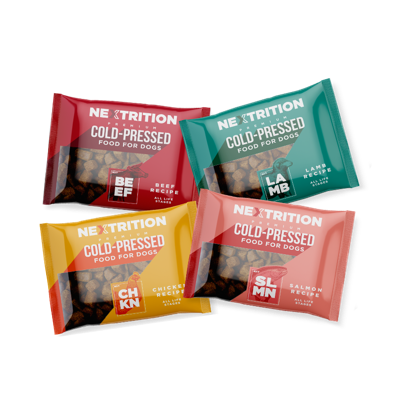
For owners looking beyond standard kibble, our cold-pressed recipes are made at about three times lower temperatures and come in lamb, chicken, salmon, and beef. They use real meat, fruits, vegetables, and Rocky Mountain waters. That's relevant here because dogs with digestive strain often need a gentler format, not just a new flavor.
Still, the right fit is individual. A good food is the one your dog can digest, absorb, and live well on.
Daily Habits That Help Protect Gut Health
You don't need a complicated protocol to support the gut. You need steady habits that reduce friction.
Start with consistency. Feed at regular times. Keep portions appropriate. If your dog inhales food, slow the meal down. If they get wild after dinner, build in a calm window.
Then watch the signals your dog gives you every day:
- stool consistency
- appetite
- gas
- breath
- coat quality
- energy
- comfort after meals
Stool quality is one of the simplest at-home markers of digestive comfort. Owners often focus on vomiting because it's dramatic, but the stool usually tells the longer story.
The microbiome also deserves respect, without turning it into magic. Gut microbes influence barrier function, nutrient handling, metabolism, and immune response. But food quality sets the foundation. We wouldn't reach for powders first if the base diet is still fighting the dog.
Some dogs do benefit from probiotics or postbiotics, especially when stool quality is inconsistent. They can help. They should complement a digestible diet, not excuse a poor one.
And yes, hydration and avoiding abrupt food changes still matter. They're not glamorous. They work.
Switching Dog Food Gradually Without Causing More Upset
Switching dog food gradually is one of the easiest ways to avoid creating a problem while trying to solve one. Even if the new food is better, a sudden change can cause its own digestive turbulence.
The general approach is straightforward:
- Start with a small amount of the new food mixed into the current food.
- Increase the new food step by step over several days.
- Slow the pace if stool softens, gas picks up, or appetite dips.
Sensitive dogs may need longer. That's normal. Some transitions look smooth for two days and then get wobbly by the second afternoon. That's why we watch trends, not just first impressions.
If the current food seems tied to severe vomiting, don't handle the transition casually at home. Talk to your veterinarian. In that situation, the question isn't just how to switch, but how to do it safely.
During the change, track a few things:
- vomiting frequency
- stool consistency
- itching or ear irritation
- energy
- excitement around meals
If you're not sure where to start, a personalized meal plan can help narrow the guesswork. Some dogs don't need a dramatic overhaul. They need a more thoughtful handoff.
What to Expect While Your Dog Is Adjusting to New Food
A dog adjusting to new food may show mild, short-term changes, even when the transition is going well. That's not failure. It's adjustment.
You might see slight stool changes at first. Some dogs hesitate with an unfamiliar texture, especially if they've eaten one kind of kibble for years. Others investigate, walk away, then come back more interested by the next meal. That's pretty typical.
What should improve over time if the new food is a better fit?
- less vomiting or regurgitation
- firmer, more consistent stools
- less bloating or gas
- steadier appetite
- more visible comfort after meals
On the other hand, some signs suggest the food still isn't right. Ongoing vomiting, persistent loose stool, increased itching, refusal to eat, or signs of abdominal discomfort are not things to explain away.
Patience helps. Passivity doesn't.
Don't judge a food by one meal. Don't ignore a clear pattern for three weeks either. No two dogs digest exactly the same way, which is why individualized feeding decisions usually beat rigid feeding rules.
How to Choose a Better Long-Term Feeding Approach
The goal isn't just to stop one episode where your dog throws up kibble. The real goal is to build a feeding approach that gives your dog a calmer stomach and better resilience over time.
We'd evaluate food through four lenses:
- how it's processed
- what actually makes up most of the bowl
- how your dog responds over time
- whether it supports digestion and immunity together
That shift matters. Food isn't shelf-stable filler. It's daily biological input. The body has to deal with it every single day.
For health-conscious owners, premium nutrition isn't about buying something fancy for the sake of it. It's a practical decision when standard food keeps producing friction. A dog that digests well tends to look better, feel better, and bounce back better.
If you're trialing a new approach, a one-time purchase makes sense. Once your dog is doing well, subscriptions can make consistency easier. Convenience isn't the point, but it does help keep good decisions in place.
The outcome that matters is simple: fewer stomach issues, stronger gut health, and more confidence every time you fill the bowl.
Conclusion
When a dog throws up kibble repeatedly, the issue is usually digestive strain, feeding mechanics, poor food fit, or some combination of the three. It's rarely just bad behavior.
Gut health sits underneath all of it. It shapes digestion, immune support, nutrient use, energy, and often the quality of your dog's skin and coat too. That's why this isn't only about stopping vomit. It's about building a dog who handles food well.
Take a hard look at how your dog's current food is made, how your dog responds after meals, and whether the bowl is helping or quietly creating strain. If symptoms are ongoing, involve your veterinarian. And if standard kibble isn't working, it may be time to explore a more personalized, gently processed feeding plan that your dog can actually use well.


