




A search for "Hypoallergenic dog food sensitive stomach" gets messy fast. You get a pile of formulas that look clean on the bag, but they sneak in extra proteins, heavy processing, or fillers that leave your dog gassy by day 3.
What made the cut here wasn't hype. We kept the options that stay focused on simpler ingredients, smarter protein choices, and real digestive support when stools go soft or meals get skipped.
We've already cut the weak ones. These are the five worth your attention.
Show 2 more productsShow fewer products
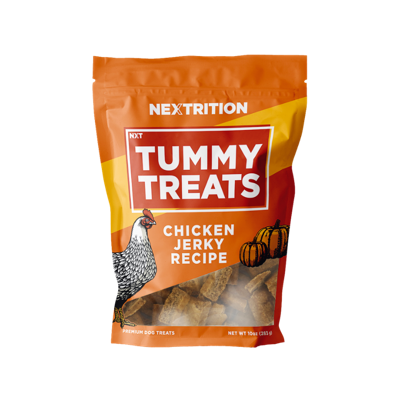
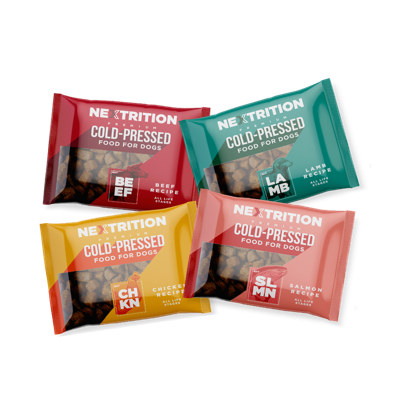
1. Sensitive Stomach Dog Food and Treats

Pros
- Cold-pressed for gentler digestion
- Single-protein, limited-ingredient recipes
- Pumpkin and prebiotic fiber support
- Added probiotics and postbiotics
- Meals and treats simplify support
Cons
- Not ideal for true allergies
- Protein choice still matters
- Less targeted than hydrolyzed diets
If your dog gets gassy, has loose stools, or gives you that frustrating pattern of good poop one day and a mess the next, this is the lane we'd start in. Not every sensitive dog needs a clinical diet right away. Some need a gentler everyday system that stops asking so much from the gut.
Our sensitive stomach lineup is built for that middle ground. It's not trying to act like an allergy prescription food. It's designed for dogs whose digestion is touchy, inconsistent, or just clearly not happy on standard kibble.
Why this option earns a spot
We built these meals and treats around digestion first. That's a real difference. A lot of foods mention gut support as a side note, then lead with something else. We took the opposite approach.
A few details matter here:
- cold-pressed at lower temperatures to help preserve nutrients
- limited-ingredient, single-protein positioning to reduce unnecessary triggers
- pumpkin, chicory root, and prebiotic fiber to support stool quality
- probiotics and postbiotics for broader microbiome support
- a 5 to 7 day transition guide, because sensitive dogs usually tell you when you've rushed it
That last part gets overlooked all the time. Good food can still cause a bad week if you change too fast.
How it behaves in real life
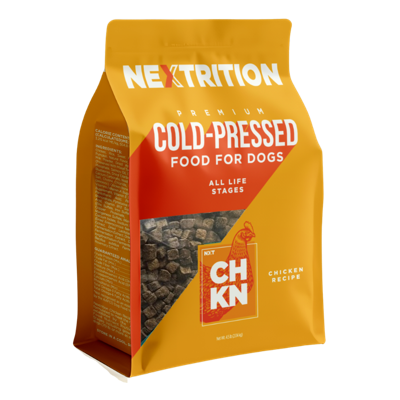
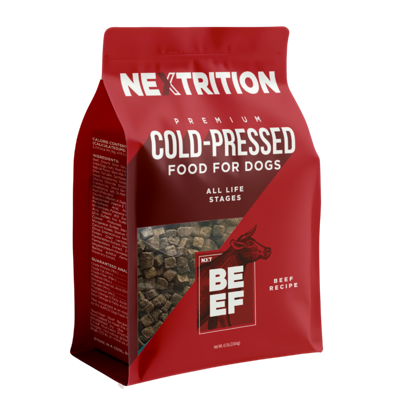
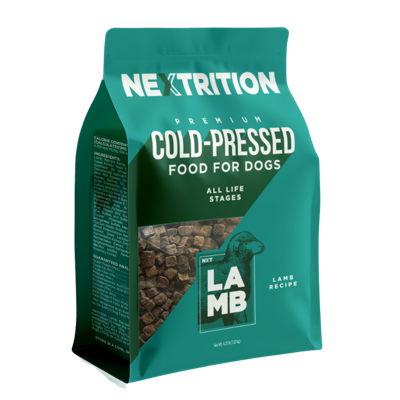
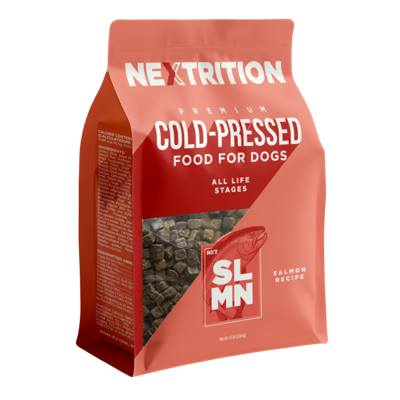
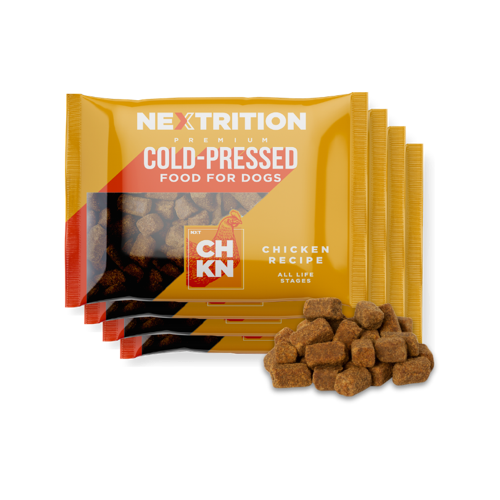
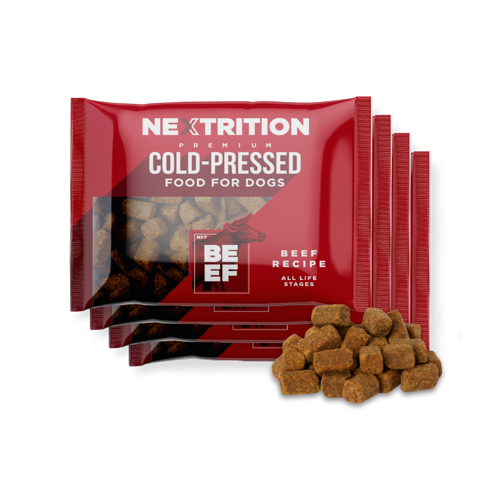
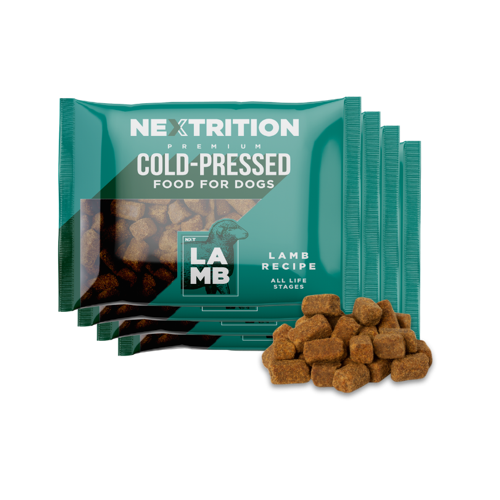
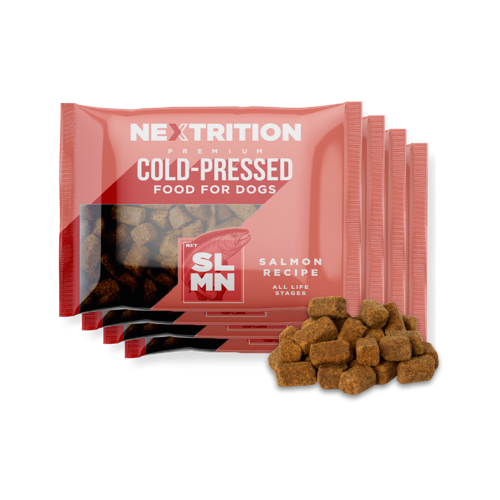
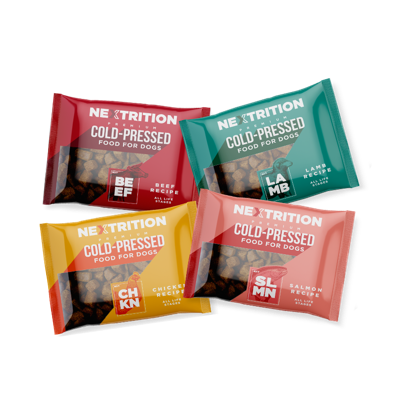
For mild to moderate digestive issues, this is often a more practical starting point than going straight to a hydrolyzed formula. You get a cleaner ingredient deck, real meat, fruits and vegetables, and a format that's gentler than heavily processed kibble. We make it with Rocky Mountain water and offer lamb, chicken, salmon, and beef recipes, so you can match the protein to what your dog actually handles well.
The useful part is the system, not just the bag. Meals plus tummy treats give you more control without juggling unrelated products.
Sensitive dogs usually don't need more complexity. They need less.
This is the best hypoallergenic dog food for sensitive stomach concerns when the issue looks digestive first, not clearly immunologic. If your dog has known protein triggers, you still need to choose carefully. Single-protein only helps if it's the right protein.

2. Purina Pro Plan Veterinary Diets HA Hydrolyzed Canine Dry Dog Food

Pros
- Hydrolyzed protein reduces reaction risk
- Strong fit for elimination trials
- Best for suspected true allergies
- More precise than standard sensitive foods
- Multiple bag sizes aid testing
Cons
- Feels more clinical than natural
- Less appealing for lifestyle feeding
- Best used with veterinary guidance
Some dogs are beyond trial-and-error with standard sensitive stomach foods. If you're dealing with suspected true food allergies, repeated reactions, or a vet-guided elimination plan, hydrolyzed food is the clearest tool in this roundup.
This is the most medical option here. That's both its strength and its limitation.
Where it fits best
Hydrolyzed protein means the protein is broken down to reduce the chance of the immune system reacting to it. For dogs with severe ingredient reactivity, that matters more than whether a formula feels natural or premium.
Here's the plain version:
- if regular sensitive stomach foods have already failed
- if digestive flare-ups come with itching or ear issues
- if your vet wants a more controlled feeding trial
then this type of diet usually deserves serious attention.
It's also available in multiple bag sizes, which sounds minor until you're in the middle of a diet trial and trying not to overcommit too early.
The real tradeoff
This isn't the option owners usually get excited about. It feels more clinical because it is more clinical. Ingredient-conscious shoppers who care about whole-food appeal and lower processing may find it less aligned with how they prefer to feed long term.
Still, when the core issue is suspected allergy rather than general gut sensitivity, precision beats preference. That's the operator call.
It belongs higher on your list when you're trying to remove guesswork around intact proteins. It belongs lower when the problem is just soft stool and occasional stomach upset.
3. Health Extension Grain Free Venison & Sweet Potato Recipe Dry Dog Food

Pros
- Novel venison protein avoids chicken
- Non-prescription allergy-friendly middle step
- Added probiotics support digestion
- Traditional dry format feels familiar
- All-life-stages feeding versatility
Cons
- Includes multiple animal proteins
- Grain-free, legume-heavy recipe
- Less controlled than hydrolyzed diets
When chicken looks like the problem, switching to another chicken-based food with nicer packaging usually doesn't solve much. That's where a novel protein formula starts to make sense.
This recipe is relevant because venison changes the protein story in a meaningful way without pushing you into prescription territory.
Why venison matters here
Venison and venison meal are the primary animal proteins, with pork meal also included. That makes it more intentional than a general digestive food, but less controlled than a hydrolyzed option. For some dogs, that's exactly the right middle step.
It also includes:
- sweet potatoes, chickpeas, and lentils as the carbohydrate base
- salmon oil and coconut oil
- probiotics
- all-life-stages formulation, including large-breed growth
There's a little more going on in this formula than in a very stripped-down limited-ingredient food. Sometimes that's fine. Sometimes it isn't.
What we'd watch closely
The benefit is obvious if common poultry proteins seem to trigger issues. The tension is that it's grain-free and legume-heavy, which some owners won't want as a long-term default without a vet conversation.
That's the kind of thing smart dog owners should be honest about. A food can be useful for a specific problem and still not be your forever answer.
Compared with our cold-pressed digestive approach, this is more about alternative protein selection than a broader gut-support system. Compared with the hydrolyzed diet, it's far less strict. For dogs that need a non-prescription novel protein and still want a traditional dry food format, it earns its place.
4. Benevo Grain Free Vegan Feast With Mixed Herbs 395g

Pros
- No animal proteins used
- Wet texture can improve acceptance
- Explicit hypoallergenic sensitive-stomach positioning
- Grain-free and wheat-free recipe
- Fortified for complete adult nutrition
Cons
- Niche fit for specific preferences
- Less conventional than meat-based options
- May not suit all dogs
This is the outlier in the group, and it should be treated that way. Not because it's wrong, but because it solves a different kind of decision.
If you specifically want a plant-based hypoallergenic dog food sensitive stomach option in wet form, this is the one that stands apart.
What makes it distinct
There are no animal ingredients here. That alone separates it from the rest of the roundup. It's explicitly labeled hypoallergenic and suitable for sensitive stomachs, and it's grain-free and wheat-free as well.
The formula includes plant-based ingredients such as:
- lentils
- chickpeas
- peas
- carrots
- herbs
- seaweed
It is also fortified with taurine, L-carnitine, and DL-methionine, and it's designed as a complete and balanced adult wet food.
A narrower fit, on purpose
Wet texture can help with palatability, and some dogs simply do better with softer food. That's a practical advantage. But this choice is still more dependent on owner feeding philosophy than the others.
For readers who strongly prefer animal-protein-first formulas, this won't be persuasive. That's fair. For owners intentionally avoiding animal ingredients, it's one of the few options here that lines up with both dietary preference and sensitive stomach positioning.
This isn't the most conventional path to the best hypoallergenic dog food for sensitive stomach needs. It's a niche path. The important thing is not to compare it as if it's trying to do the exact same job as hydrolyzed or novel-protein meat-based diets.
5. Valens Turkey & Salmon Small Breed Dog Food

Pros
- Small kibble suits tiny mouths
- Probiotics support digestive balance
- Turkey and salmon add omega-3s
- Calorie-dense for small dogs
- Built for small-breed needs
Cons
- Not ideal for strict elimination
- Dual proteins may complicate sensitivities
- Less clearly hypoallergenic overall
Small dogs change the math. They have smaller mouths, faster metabolisms, less room for feeding errors, and they're often the first to get picky when a food isn't sitting right.
That's why this formula deserves its own category. It's the most size-specific option in the roundup.
Where it earns points
This food combines fresh turkey and fresh Pacific salmon, then supports that with five probiotic strains. It also uses small, calorie-dense kibble and low glycemic carbohydrates like sweet potatoes and peas.
For small breed households, that matters more than many people think. Tiny dogs don't just need smaller pieces. They need a food that respects their intake limits and energy demands.
A few reasons it stands out:
- formulated specifically for small breeds
- includes fish for omega-3 support alongside digestive support
- sized for smaller mouths
- designed around nutrient density and stomach capacity
Where it falls short for stricter hypoallergenic needs
It's less clearly hypoallergenic than the hydrolyzed option, our limited-ingredient digestive lineup, or an explicitly labeled hypoallergenic wet food. The dual-protein setup can also be a drawback for dogs that do best when you simplify everything.
So we'd rank this higher for small-dog practicality than for elimination-diet precision.
That's an important distinction. Good small-breed design can make daily feeding easier and digestion steadier, but it doesn't automatically make a food the strictest answer for food sensitivity.
| Sensitive Stomach Dog Food and Treats | Purina Pro Plan Veterinary Diets HA Hydrolyzed Canine Dry Dog Food | Health Extension Grain Free Venison & Sweet Potato Recipe Dry Dog Food | Benevo Grain Free Vegan Feast With Mixed Herbs 395g | |
|---|---|---|---|---|
| Hydrolyzed protein formula | × | ✓ | × | × |
| Single-protein positioning | ✓ | × | × | × |
| Added probiotics | ✓ | × | ✓ | × |
| Grain-free recipe | × | × | ✓ | ✓ |
| Wet food format | × | × | × | ✓ |
| No animal ingredients | × | × | × | ✓ |
How to Choose the Right Hypoallergenic Dog Food for a Sensitive Stomach
Most owners get stuck because they're trying to solve three different problems with one label. Sensitive stomach, allergy, intolerance, picky eating. Those are related, but they aren't interchangeable.
Start by deciding what your dog is actually showing you.
Read the symptoms correctly
Digestive sensitivity usually looks like this:
- gas
- loose stools
- inconsistent poop quality
- stomach upset that comes and goes
Food allergy concerns tend to move beyond the gut. If the digestive issues show up with chronic itching, ear problems, or repeated flare-ups tied to meals, the odds shift.
A dog with soft stool isn't automatically an allergy case. That's where people lose weeks.
Match the format to the problem
Different food strategies exist for different reasons:
- Hydrolyzed diets are the strongest choice when you need the most controlled hypoallergenic approach.
- Limited-ingredient, gut-supportive diets fit dogs that need calmer daily digestion and better stool consistency.
- Novel-protein formulas make sense when common proteins like chicken may be the issue.
- Plant-based hypoallergenic wet food is a more specific fit for owners avoiding animal ingredients.
- Small-breed digestive formulas matter when kibble size, calorie density, and mouth size shape how well feeding goes.
We'd also look closely at the actual ingredient structure. Count protein sources. Check whether it's single-protein or multi-protein. Look for pumpkin, prebiotic fiber, probiotics, or postbiotics. And don't ignore food format. Some dogs do better on wet food. Some handle cold-pressed beautifully. Some are fine on dry food if the recipe is cleaner and the transition is done properly.
What Matters Most When Comparing These Five Options
The fastest way to narrow this down is to stop asking which food is best in general. Ask which one is best for the problem in front of you.
That sounds obvious. In practice, it's where most comparison shopping goes sideways.
Use this framework
If stool quality and daily gut comfort are your top concern, our cold-pressed sensitive stomach meals and treats have the clearest digestive focus. The combination of simpler ingredients, functional fibers, probiotics, postbiotics, and a guided transition plan makes it feel different from generic premium kibble pretty quickly.
If you need the strictest hypoallergenic route, the hydrolyzed veterinary formula is the one. It removes more guesswork around intact proteins than anything else here.
If you suspect your dog reacts poorly to common proteins, the venison-based formula is the better angle. Switching brands without changing the actual protein source often changes nothing.
If your dog is tiny, picky, or both, the small-breed formula deserves more attention than owners usually give it. Kibble size and calorie density affect real-world feeding more than product pages admit.
And if your feeding philosophy matters as much as symptom relief, the plant-based wet food belongs in its own lane. It shouldn't be judged as if it's trying to be a veterinary elimination diet.
The right food solves the right problem. The rest is noise.

Common Mistakes Dog Owners Make When Switching to a Sensitive-Stomach Formula
Even a well-chosen food can look like a bad fit if the switch is messy. We see that all the time. Owners blame the formula when the process was the issue.
A few mistakes cause most of the trouble.
Switching too fast
Sensitive dogs often react to abrupt changes even when the new food is better. If a product gives you a 5 to 7 day transition plan, use it. Better yet, slow down more if your dog has a history of flare-ups.
By day two or three, rushed transitions usually tell on themselves.
Confusing premium with hypoallergenic
A food can be expensive, high-end, and beautifully branded and still not be the best hypoallergenic dog food for sensitive stomach concerns. Protein strategy matters more than image.
Hydrolyzed, single-protein, novel-protein, multi-protein. Those distinctions matter far more than the marketing tone on the bag.
Changing too many things at once
New food, new treats, table scraps, digestive chews, broth toppers. Then the dog improves or gets worse and nobody knows why.
Keep variables tight for at least a couple of weeks. Otherwise you're not running a food trial. You're guessing.
Ignoring food format
Some dogs genuinely do better on softer wet food. Others are perfectly fine on dry or cold-pressed food if the ingredients are simpler and the gut support is stronger.
Format isn't cosmetic. It affects how the whole feeding routine goes.
Assuming one formula should work for every sensitive dog
Some dogs need hydrolyzed protein. Some need fewer ingredients. Some need a novel protein. Some just need a calmer transition and more consistent feeding times.
Sensitive stomach feeding gets easier once you stop looking for one magic category.

Conclusion
The best hypoallergenic dog food sensitive stomach choice depends on the kind of problem you're actually dealing with. Mild digestive upset, suspected food allergy, protein intolerance, small-breed feeding needs, and plant-based preferences all point to different answers.
If you want a clean next step, narrow your options by function first. Decide whether your dog needs a hydrolyzed diet, a limited-ingredient gut-supportive formula, a novel protein, a plant-based wet food, or a small-breed-specific recipe. Then transition slowly, keep the rest of the routine steady, and watch stool quality, comfort, and consistency closely.
That's how you make a smart switch. Not by buying the nicest bag. By choosing the food that fits the dog in front of you.


