




Natural antioxidants for dogs get talked about like magic, and that's where people get lost. You don't fix immunity with random powders or whatever was trending last week. What matters is what lands in the bowl every day and whether it supports the gut, where immune health starts.
We've narrowed this list to ingredients worth your attention. Read it, check your dog's food, and choose from a calmer place.
How Natural Antioxidants Support Your Dog's Immune System
When people talk about immune support, they often jump straight to supplements. We think that's backward. For most dogs, resilience starts with daily food, not a powder added twice a week after the bag of kibble is already doing very little.
Antioxidants help neutralize free radicals, which are unstable molecules that can damage cells, tissues, and even DNA when oxidative stress builds up. That matters, but it doesn't happen in isolation. Gut health and immune health are tied together, and a large share of the immune system sits in the digestive tract, often estimated around 70 to 90 percent. If the gut is under constant pressure, the rest of the system feels it.
Research in dogs points most clearly to nutrients like vitamin E, vitamin C, beta-carotene, lutein, selenium, and omega-3s. The evidence isn't perfectly even across every ingredient, and that's the point. You don't need every trendy superfood. You need a diet built on whole, recognizable ingredients that delivers antioxidant support consistently in a form your dog can use.
Don't try to out-supplement a weak food.
That's why we're more interested in dog food with real meat and vegetables, gentle processing, and gut support than in flashy immune claims.
1. Vitamin E
Vitamin E is one of the most established natural antioxidants for dogs. It protects cell membranes from oxidative damage, which makes it foundational, not fashionable.
In canine feeding research, diets enriched with vitamin E alongside vitamin C and beta-carotene improved antioxidant status over 84 days, raised circulating vitamin E, reduced DNA damage, and helped protect immune cells. That's useful evidence, especially for aging dogs, hard-running dogs, or dogs dealing with skin and coat stress.
A practical way to think about it:
- Vitamin E helps defend the body's cells directly
- It matters more when oxidative stress is higher
- It works best as part of a network, not as a solo hero
You don't need to memorize tocopherol forms. You do want to see vitamin E treated like a serious part of wellness dog food ingredients, not an afterthought added to cover a label gap.
2. Vitamin C
Vitamin C gets talked about like it's the answer to everything. It isn't. But it's still useful.
Its real value is that it helps regenerate vitamin E after vitamin E has already done its job against free radicals. That's how antioxidant systems actually work. In combination. Not as isolated magic bullets.
For dog owners reading labels, vitamin C is one reason fruits and vegetables matter in a real ingredient dog food. A formula with varied plant ingredients usually gives you a more grounded nutrition story than one leaning on high-dose, single-nutrient supplementation.
We've seen people chase vitamin C powders while ignoring the rest of the bowl. That's the wrong order of operations. Start with better food.
3. Beta-Carotene
Beta-carotene is where whole-food formulation starts to feel practical. It's a provitamin A carotenoid, which means the body can convert it into vitamin A as needed.
In dogs, beta-carotene has been linked with improved antibody levels, healthier blood cell profiles, and better vaccine recognition. That's more specific than the usual "supports wellness" language you see thrown around.
You'll usually find it in orange and deep yellow ingredients like:
- Sweet potatoes
- Carrots
- Squash
This is one of the clearest examples of why fruits and vegetables belong in a whole ingredient dog food. They're not there to make the bag look clean. They can do real work.
4. Lutein
Lutein is often framed as an eye-health nutrient, which is fine, but incomplete. In dogs, it has also been associated with B-cell activation and improved vaccine recognition.
That makes lutein more interesting than the usual vague "greens are good" pitch. It gives leafy green ingredients an actual nutritional role in canine diets, especially for owners who want more than packaging language.
You may see lutein linked to leafy greens or marigold-derived ingredients. Either way, the bigger point is this: plant diversity matters when it's there for a reason.
A food with functional green ingredients tells us more than a label full of anonymous plant fragments ever will.
5. Selenium
Selenium doesn't get much attention because it isn't colorful and doesn't sound trendy. It still matters.
It's an essential trace mineral involved in selenoproteins that help protect against oxidative damage and support the body's response to infection. In canine nutrition, selenium appears relevant to immune function, and organic forms may be more effective than inorganic forms in that role.
There is a tradeoff here. Selenium is a precision nutrient. More is not better.
That's why we don't like casual mineral supplementation by guesswork. A properly formulated food should handle this balance for you. If you're evaluating wellness dog food ingredients, trace minerals deserve more respect than they usually get.
6. Omega-3 Fatty Acids
Omega-3s aren't classical antioxidants, but leaving them out of this conversation would miss the bigger picture. They help reduce oxidative stress and inflammatory signaling, which changes the environment your dog's immune system has to operate in.
Among nutrition tools for dogs, omega-3s have some of the strongest support for helping with:
- Skin barrier health
- Joint comfort
- Healthy aging
- Lower inflammatory mediators
Fish sources like salmon and fish oil are the practical examples most people should focus on. If vitamin E helps defend cells directly, omega-3s help create a less inflammatory baseline in the first place. They complement each other well.
For dogs under stress, older dogs, and dogs with skin issues, this isn't a minor detail. It's often one of the first places we look.
7. Blueberries
Blueberries are appealing because they're recognizable, minimally processed, and rich in polyphenols, especially anthocyanins. Those compounds are known for antioxidant and anti-inflammatory activity.
The caution is simple. The evidence around blueberries is stronger in human and lab research than in dog-specific trials. So we wouldn't treat them like a guaranteed immune fix.
We'd treat them like a smart whole-food ingredient.
That's the right frame for most antioxidant-rich fruits in dog food. Helpful, promising, and more credible when they show up as part of a broader formula with quality protein and other useful nutrients.
8. Sweet Potatoes
Sweet potatoes are one of the most practical antioxidant ingredients in dog nutrition. They provide beta-carotene and other phytonutrients through a food most owners recognize immediately.
That matters more than people think. Familiar ingredients are easier to trust, and usually easier to evaluate. With sweet potatoes, the antioxidant story is visible. You're not being asked to believe in a mystery blend.
Compared with empty starch fillers, orange-fleshed sweet potatoes bring actual nutrient density to the bowl. If you're looking for dog food with real meat and vegetables, this is exactly the kind of ingredient that earns its place.
9. Spinach
Spinach is useful because it brings several antioxidant-related nutrients together in one ingredient, including lutein, vitamin C, and vitamin A-related compounds.
For us, spinach is less about hype and more about formulation depth. It helps answer a simple question: are the plant ingredients doing anything useful, or are they just there to sound healthy?
A thoughtfully built food can use greens like spinach to deepen the nutrient profile. A weaker product uses vague vegetable by-products and hopes you won't look too closely.
That distinction matters.
10. Carrots
Carrots are simple, and that's part of their value. They're an accessible source of beta-carotene and one of the clearest examples of how straightforward ingredients can support antioxidant intake.
There's no mystery here. Carrots make the conversation easier to trust because they connect nutrition to something tangible. Not every useful ingredient needs to sound advanced.
A few things are worth keeping straight:
- Carrots contribute useful carotenoids
- They support a balanced diet
- They are not a stand-alone immune strategy
We'd rather see carrots inside a strong overall formula than see owners trying to patch a poor diet with occasional "healthy" snacks.
11. Pumpkin and Squash
Pumpkin and squash fit naturally into this discussion because they provide carotenoids and support a broader whole-food feeding pattern. They also connect immune support with digestive support, which is where smart dog owners are already paying attention.
That's not incidental. Gut health isn't a side topic here.
These ingredients help bridge the gap between antioxidant theory and everyday feeding. They're familiar, functional, and generally make more nutritional sense than heavily refined carbohydrate fillers that add bulk without adding much else.
Measured expectations are still important. Pumpkin and squash are contributors, not centerpieces. But in the right formula, they're doing useful work.
12. Turmeric
Turmeric comes up constantly, so it's worth handling directly. It has recognized antioxidant and anti-inflammatory potential because of compounds like curcumin, but the marketing around it usually runs ahead of the evidence.
We're cautious here for a reason. Current research doesn't support treating turmeric as a proven answer for every immune or inflammatory issue in dogs. Product quality varies a lot, and highly bioavailable curcumin formulas can raise safety concerns, including potential liver risks.
So where does that leave it?
As an optional, context-dependent ingredient. Not a foundational one. We wouldn't build your dog's immune plan around turmeric when basics like balanced food, gut support, and consistent delivery of natural antioxidants for dogs are still unresolved.
13. Coenzyme Q10
CoQ10 is a naturally occurring antioxidant involved in cellular energy production as well as oxidative defense. It shows up naturally in meat, fish, and some oils, which makes it relevant to animal-based nutrition, not just supplement shelves.
In dogs, the more meaningful evidence appears in fortified diets aimed at healthy cognitive aging, where CoQ10 was part of a larger antioxidant combination rather than a solo intervention.
That's an important nuance. CoQ10 fits better in conversations about aging, resilience, and mitochondrial support than in simplistic immunity claims.
For older dogs, it may be useful. But it shouldn't distract from the basics. Real ingredient dog food still does the heavy lifting.
How to Choose a Whole Ingredient Dog Food for Daily Antioxidant Support
The goal isn't to scatter antioxidants on top of a weak diet. It's to build a feeding routine that supports immune resilience every day.
When we evaluate food, we look for patterns first. Named animal proteins. Real meat. Recognizable fruits and vegetables. Fish, leafy greens, orange vegetables, and berries all make more sense than generic meat meals and vague plant fragments. A strong whole ingredient dog food shouldn't need to hide behind proprietary language.
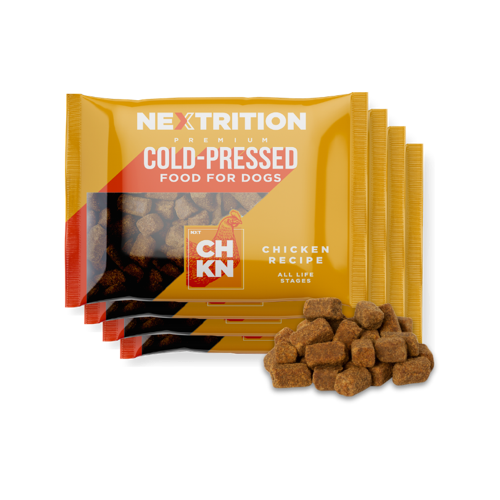
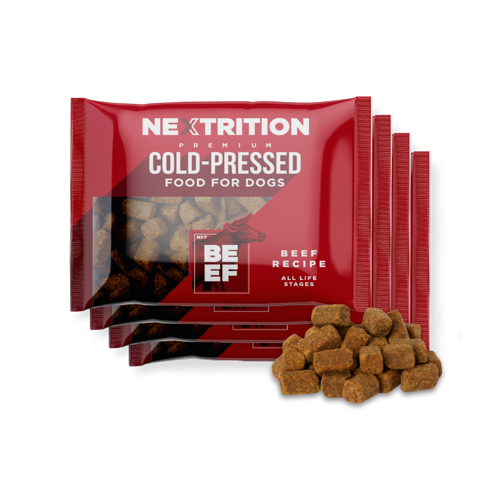
Gentle processing matters too. Extreme heat is hard on delicate nutrients, and that matters if you're trying to preserve the value of those ingredients in the first place. This is one reason we use cold-pressed methods at 3x lower temperatures. It helps protect nutrient integrity while supporting digestion, and gut health is central because so much of the immune system lives there.
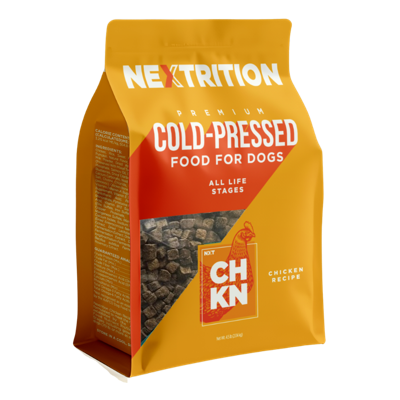
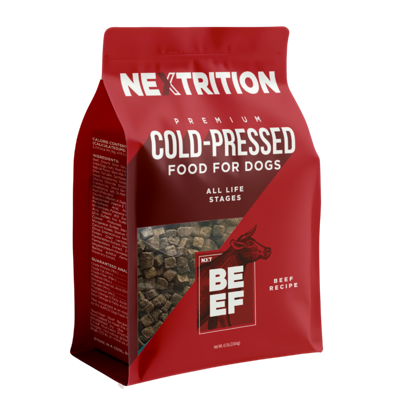
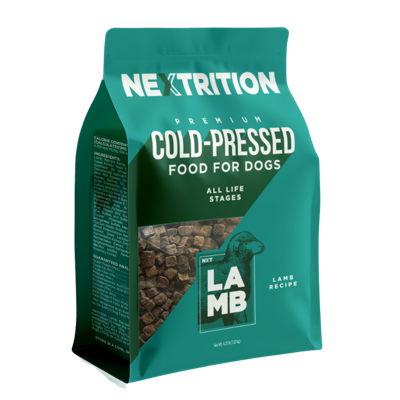
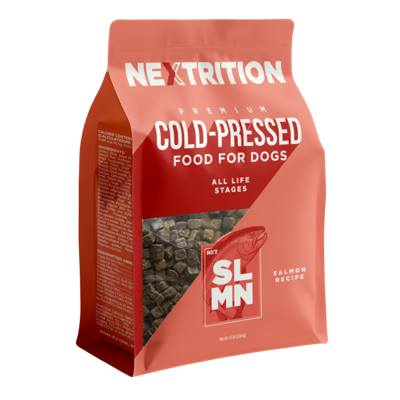
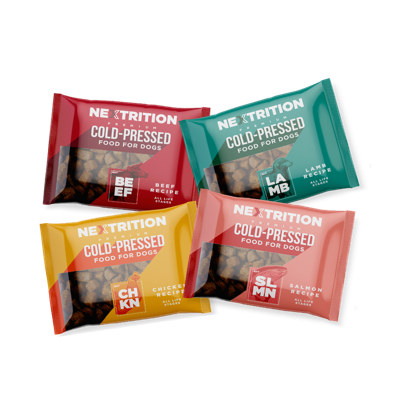
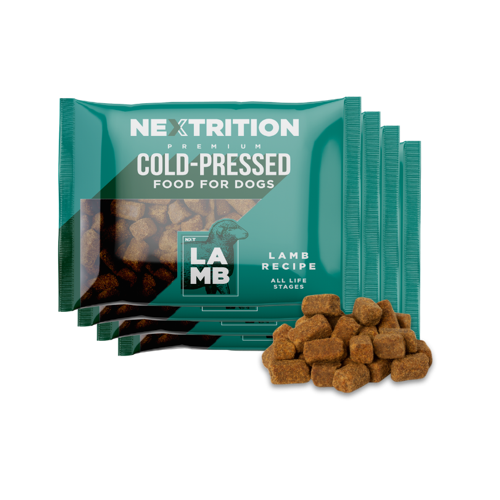
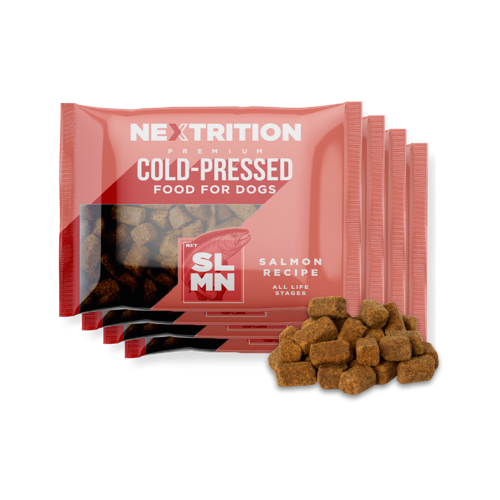
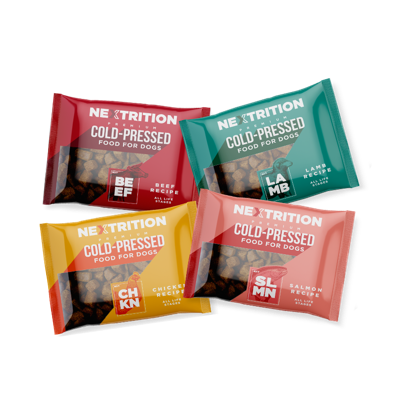
Our recipes are built around real meat, fruits, and vegetables, with lamb, chicken, salmon, and beef options, plus Rocky Mountain waters. If your dog does better on one protein than another, or you want a more tailored approach, we make that part straightforward with a personalized meal plan and the option for one-time orders or regular delivery.
If a food makes immune support sound mysterious, step back.
Usually the better option looks more transparent, not less.
Conclusion
The most useful way to think about natural antioxidants for dogs is as part of daily nutrition, not as a trend and not as a rescue plan after the fact. They help protect cells, support gut health, and give the immune system steadier footing over time.
Some ingredients carry stronger canine evidence than others. Vitamin E, vitamin C, beta-carotene, lutein, selenium, and omega-3s stand out most clearly. Foods like blueberries, sweet potatoes, spinach, carrots, pumpkin, and squash help turn that support into something practical and recognizable.
If there's a shift worth making, it's this: stop chasing scattered fixes. Start asking whether your dog's food is built around real nourishment. Look for dog food with real meat and vegetables, pay attention to ingredient clarity, and choose wellness dog food ingredients that belong in a bowl, not just on a marketing panel.
Review your current food through that lens. If it falls short, a minimally processed formula built around real meat, fruits, and vegetables can make antioxidant support part of every meal instead of one more task to manage.


