




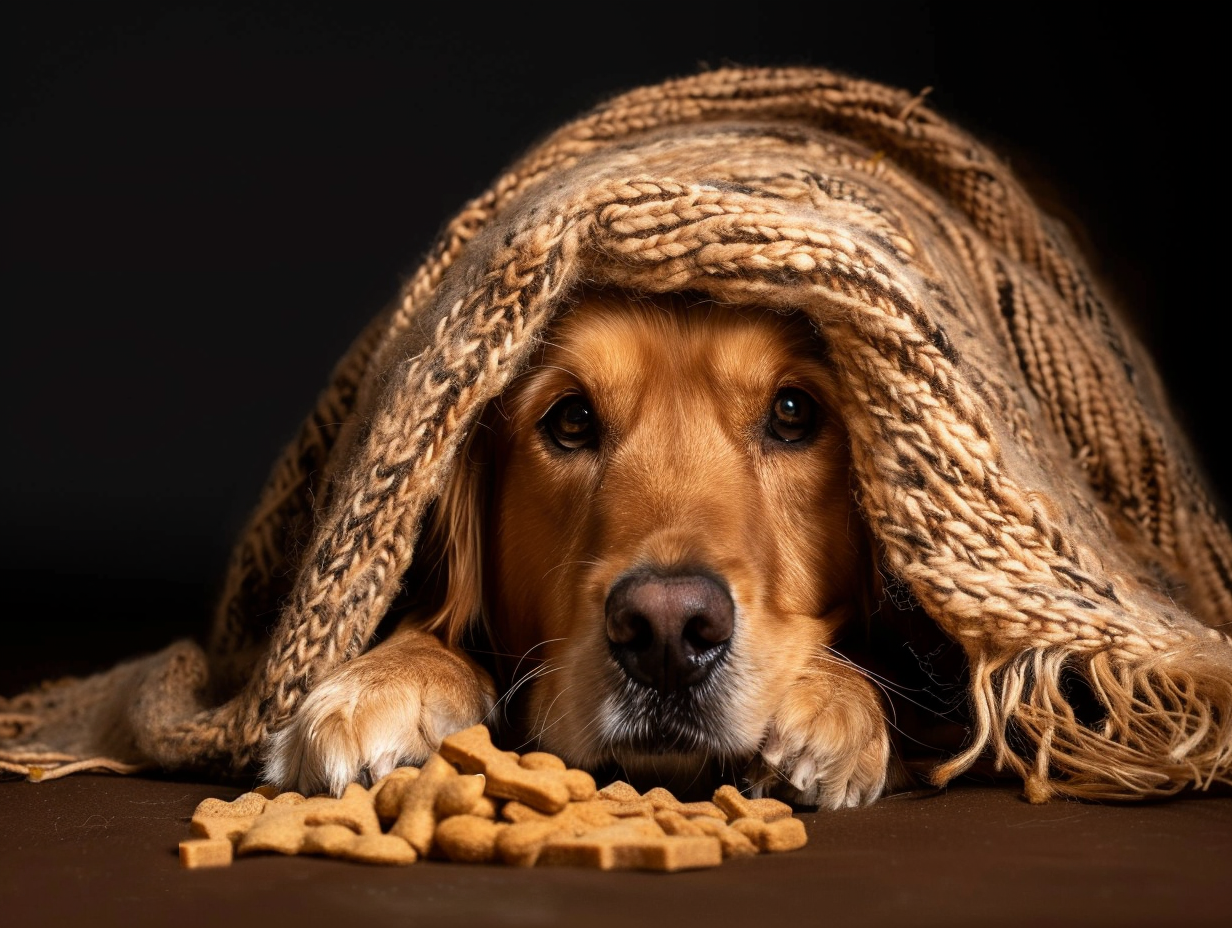
Have you ever found your dog's food under its blanket? You're not alone. This common dog behavior can leave pet parents confused and curious. Below, we have listed seven common reasons why a dog might cover their food with a blanket:
Reason 1: It’s His Natural Instinct
The act of hiding food with a blanket can be part of a dog's instincts. Their wild ancestors used this survival strategy to protect the food from other potential scavengers and to save it for the future.
Our domestic dogs don’t have problems where they need to save or protect their food, yet their instincts remain the same.
How to Deal:
If your dog is hiding food with a blanket out of instinct, you should support this behavior, as your dog is simply expressing itself. You can give your dog a quiet and secure space to enjoy its food, even if it wants to do it by hiding it with a blanket.
Reason 2: They Aren’t Hungry
If a dog isn’t hungry, they might cover the food with a blanket to save it for later. It is also related to their instincts, as their ancestors used to stash food away for future use.
In modern times, this simple act can be a personal preference, as some dogs prefer to eat a little at a time throughout the day—commonly referred to as grazing. If your dog isn’t typically a grazer, it could indicate other problems. If your dog shows a lack of hunger, it may be a symptom of an underlying health condition.
How to Deal:
If your dog’s appetite is reduced, it is recommended that you visit a veterinarian. They will examine your dog to determine if there is any underlying health problem.
Reason 3: They’re Playing a Game
Another reason your dog might be covering their food with a blanket could be because they’re playful. It might be a fun hide-n-seek game for them where they want to hide their food.
They can do this if they’re bored or lack sufficient physical and mental stimulation. This behavior allows them to use excess energy while playing a fun game.
How to Deal:
Ensure you add enough activities to your dog’s routine to keep it physically and mentally busy. These can include regular walks, interactive play sessions, puzzle toys, training exercises, and new toys to prevent boredom.
Reason 4: They’re Being Possessive
Dogs can become possessive, which leads them to protect their resources. This is common in households with multiple pets.
If your dog perceives a threat to their food, they might try to hide it with a blanket. It isn’t particularly harmful behavior, as they are just trying to assert control and safeguard valuables.
How to Deal:
Understanding and managing a dog’s possessive behavior can prevent potential conflicts. To encourage sharing and cooperation among your pets, you can implement positive reinforcement training and create designated feeding areas for each pet.
However, if the problem worsens, consider consulting an animal behaviorist.
Reason 5: They’re Anxious
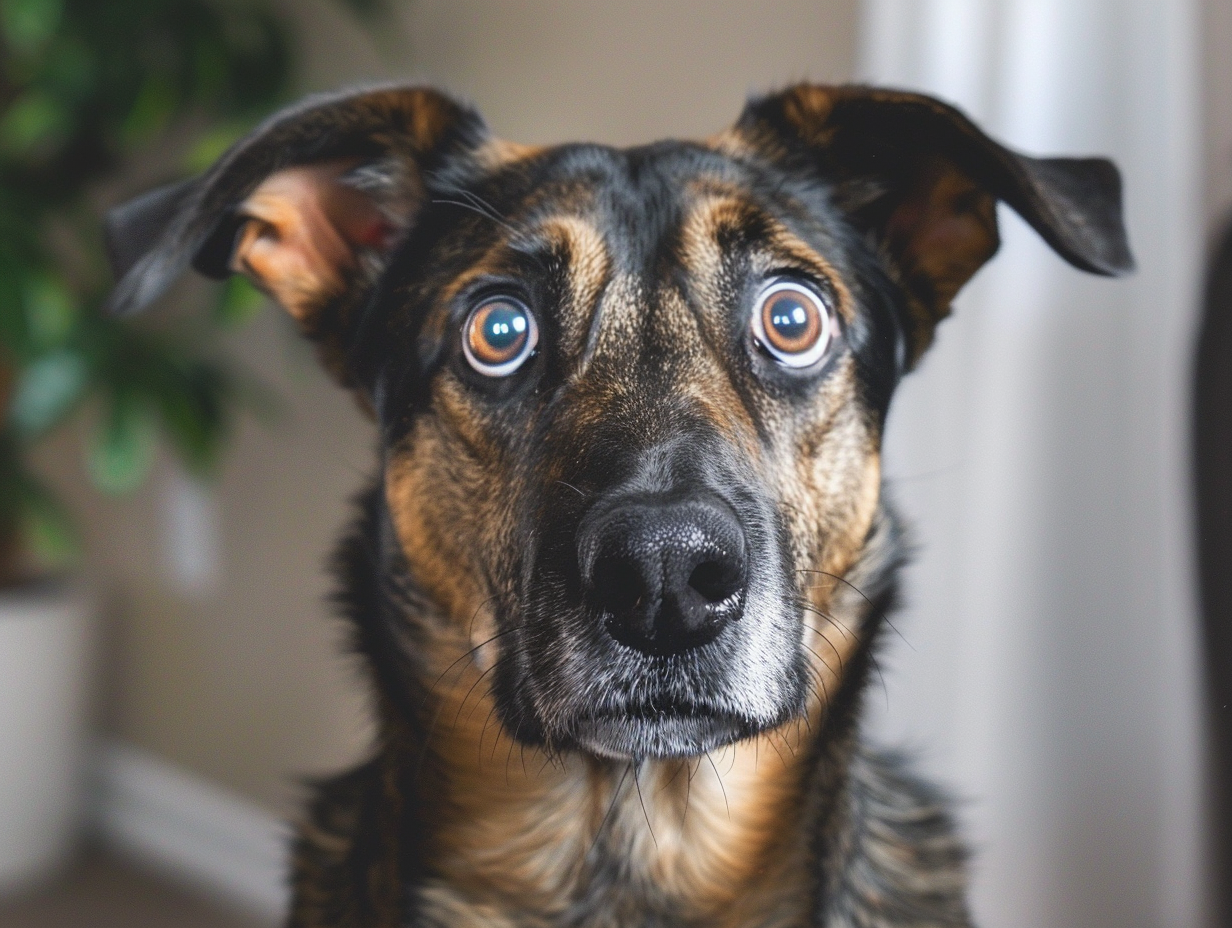
Anxiety is another emotion that can make your dog hide food with a blanket. Your dog may exhibit this behavior to cope with its feelings. The simple act of hiding food or finding a secure space to enjoy its meal can give it a sense of control and security.
If your dog recently had a traumatic experience, like moving to a new place or meeting new people, it could be causing the anxious behavior. Other signs could include excessive barking, whining, changes in appetite, trembling, and digestive distress.
How to Deal:
When dealing with a dog’s anxious behavior, it is recommended that you create a safe and supportive environment. Try to maintain a consistent routine, use positive reinforcement techniques, create a designated mealtime space, and keep the dog engaged in various physical and mental activities.
If the problem continues, you can consult a veterinarian or an animal behaviorist.
Reason 6: They Have Dental Problems
Dental problems are quite common in dogs, and they usually lead to discomfort or pain when chewing. As a result, a dog might seek alternative ways to deal with their food, like covering it with a blanket. This will allow them to save the food for later when they feel more comfortable eating. It can also mean your dog is looking for a softer surface to consume the food.
In such cases, your dog will likely exhibit other signs of dental problems, including bad breath, lack of appetite, swollen gums, and excessive drooling.
How to Deal:
If your dog has dental problems, consult a veterinarian. They can diagnose the specific issues and recommend an appropriate course of action.
Proper oral hygiene is suggested as a preventative measure for your dog. This includes regular tooth brushing, chews, water additives, and dental check-ups.
Reason 7: They’re Seeking Your Attention
If you’re busy with chores, your dog might try to get your attention with quirky behaviors like covering their food with a blanket. Your dog is just trying to say, "Look at me; I'm here, and I could use some of your attention!"
How to Deal:
Dogs often pick up on our reactions, and if they notice that a certain behavior gets them attention or interaction, they might continue doing it. That’s why the best course of action is not to make a fuss about it, especially if it’s harmless and doesn't interfere with their well-being.
Should I Stop My Dog From Covering His Food With His Blanket?
It is recommended to first understand the reason behind your dog's behavior to decide whether or not to intervene. If you can determine that your dog is covering their food out of natural instinct and it’s not interfering with its health, then there isn’t any significant harm is allowing your dog to continue this behavior.
However, if you suspect your dog is acting this way due to an underlying issue, such as dental problems or anxiety, you should address the root cause. You can look for some accompanying signs or symptoms or consult a veterinarian for help.
How to Stop a Dog From Covering His Food With His Blanket?
If you have established that your dog is healthy but still covers his food, you can explore additional strategies to manage or redirect this behavior. Below are some tips you can consider:
- Provide a safe and clean designated feeding area.
- Use positive reinforcement to encourage appropriate behavior.
- Train them to respond to cues like “give” or “leave it.”
- Ensure they have sufficient physical and mental stimulation.
- Establish a proper oral hygiene routine, including regular brushing, chew toys, and water additives.
If, even after doing everything, your dog continues to cover and hide his food with his blanket, you can consult with an animal behaviorist to better understand and train your dog.
Summing Up
The act of covering the food with a blanket can have several implications. It could happen because your dog’s wild ancestors used a similar survival strategy of concealing their food to protect it from other potential scavengers. Or it could be a sign of an underlying issue such as dental problems, anxiety, overfeeding, or a desire for attention.
Ultimately, you want to consider the specific reason behind this behavior to determine the appropriate action. If this appears instinctual, you can let it be; otherwise, you need to address the root cause of this behavior.
Also, consider consulting a veterinarian or animal behaviorist if you’re worried about your dog covering his food with his blanket.
FAQs
Let’s answer some frequently asked questions about a dog’s behavior:
Why does a dog cover their food with his blanket?
A dog might cover their food with a blanket for various reasons, ranging from instinctual behaviors inherited from their wild ancestors to simple, playful behavior meant to seek your attention. However, in some cases, it can also be a sign of an underlying health condition, such as dental problems, anxiety, or overfeeding.
Ultimately, you should understand the specific reason behind this behavior to determine the appropriate action.
Why does my dog cover her food with a towel?
Your dog covering their food with a towel could be similar to covering their food with a blanket. It could be an instinctual behavior or a sign of an underlying health condition, such as dental problems, anxiety, or overfeeding.
It can also be their way of getting your attention so you can play with them.
Should I stop my dog from covering his food with his blanket?
It depends on why your dog is covering its food with a blanket. If it’s because of its instincts and is not interfering with its health, then it is fine to allow it to continue this behavior.
However, if you suspect this behavior is linked to an underlying issue, such as dental problems or anxiety, you should seek professional guidance to address the root cause.
When should I worry about my dog covering his food with his blanket?
You should start to worry about your dog’s behavior when other concerning signs, such as a change in appetite, distress, excessive whining, lethargy, digestive upset, etc., accompany it. You also should to be careful when the covering behavior becomes extreme, as that might interfere with the dog's appetite and overall well-being.
Consulting a veterinarian or animal behaviorist will help identify and address potential issues.
Source: https://worldofdogz.com/why-does-my-dog-cover-his-food/
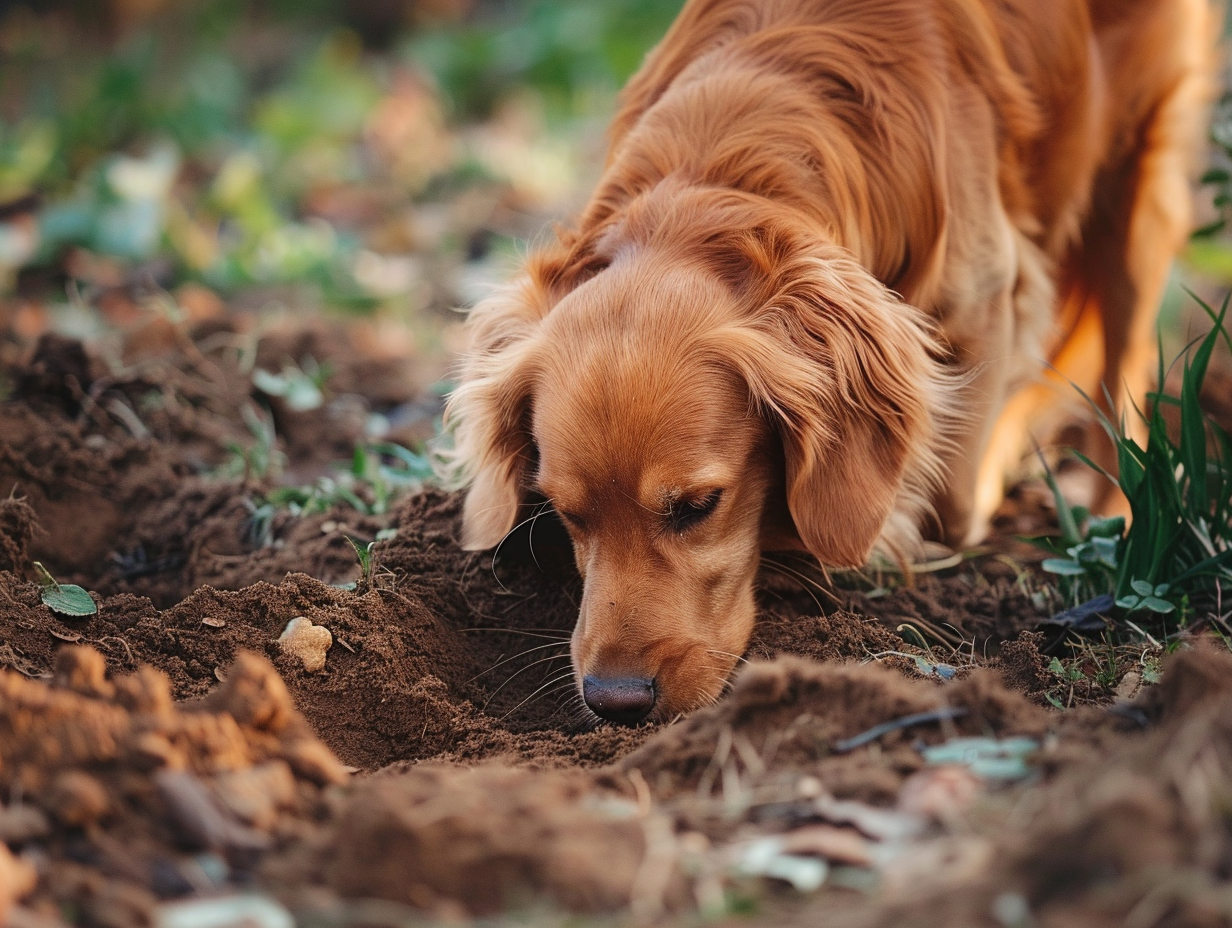
A dog’s behavior can be a never-ending mystery for pet parents. Every little quirky habit they have can make us curious about how their minds work. But one such habit of burying their food is simply annoying.
Why do dogs bury their food? The reasons below might surprise you.
7 Reasons Why Dogs Bury Their Food
Below, we have discussed the seven most common reasons why dogs bury their food:
1. Natural Instincts
Dogs have an instinct to hide food, which may be deeply rooted in their evolutionary history. Their ancestors used to bury food to hide it from other potential scavengers and save it for future periods of scarcity.
Though our domesticated companions do not face these challenges, they still have a similar instinct to hide food and toys.
2. They’re Not Hungry
If your dog is not hungry, they might bury its food to preserve it for later. This can be a sign that your dog is managing their resources or a sign of potential issues like overfeeding or a decreased appetite.
In such cases, if you’re in any doubt, you can consult a veterinarian to check if you’re feeding your dog correctly.
3. Your Dog Buries Food Because of Anxiety
Burying food can also be a coping mechanism in response to anxiety or stress. If your dog has recently had a traumatic incident or is in a new home around new people, it might struggle to manage its emotions. However, burying food may help your dog feel more in control and secure.
If you suspect your dog is anxious, work to provide them with a calm and reassuring environment, and you can seek guidance from a veterinarian.4. Boredom
Sometimes, dogs bury their food simply because they have nothing else to do. When they lack any form of entertainment or mental stimulation, they can resort to burying to entertain themselves and use their excess energy.
Adding adequate mental and physical activities to your dog's routine can be beneficial to keep them happy and occupied.5. Possessiveness
Dogs can become possessive, especially when other animals are in the house. They might need to hide their food to protect it from potential competitors. This possessiveness can stem from their instinct to safeguard their resources.6. Seeking Attention
A dog might bury their food to get your attention or to encourage you to play with them. They might think this is a fun game of hide-and-seek, where they’ll hide their food, and you’ll find it for them.7. It’s Linked to Their Breed
While most dogs instinctively bury food, some breeds, such as Terriers, Basset Hounds, Beagles, and specific working breeds, may display a stronger inclination toward this behavior.

What to Do if Your Dog Buries Their Food?
Burying food shouldn’t be considered bad behavior, but you should pay attention to the circumstances when they bury their food to understand the context of the situation.
Additionally, it is recommended to use positive reinforcement to deal with any behavior issues in your dog. Avoid yelling or punishing them, as it can make the situation worse. Instead, try these precautions to prevent your dog from burying food:
- Don’t overfeed your dog. It's easy to go overboard with treats, so pay attention to the amount you’re giving them.
- Provide them with enough mental and physical activities.
- If necessary, you can allocate an area to dig and bury things to redirect their instincts positively while minimizing disruption.
- Don’t overreact to buried food because if they think it gets your attention, they might do it again.
Remember that each dog is unique, and their reasons for burying food can also be unique. You should observe their behavior or consult with an animal behaviorist to better understand why they behave in a certain way.
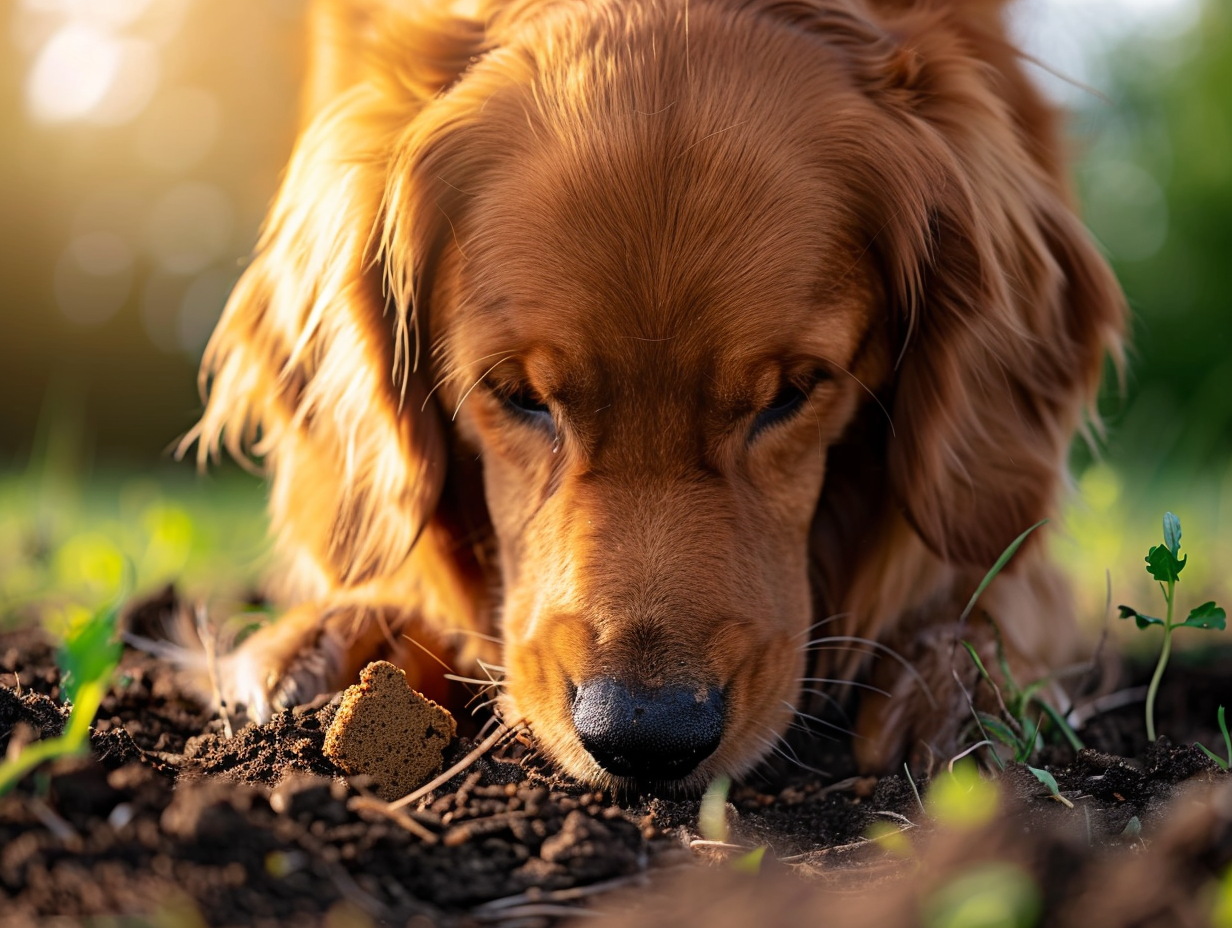
Can Dogs Eat Buried Food?
Now, can a dog eat the food they buried? Or will it make them sick?
In general, dogs can eat the food they bury because a bit of dirt shouldn’t cause them any health problems. But you should be cautious of a few things, including:
- Type of food: What did your dog bury? Dry food is typically okay to eat with a bit of dirt, but wet food isn’t, as moisture makes it more prone to spoilage and bacterial growth.
- Time: When did your dog bury the food? Knowing the time is essential to determining the freshness of the food. Every type of food can get stale, spoiled, or even moldy if it is buried for an extended time.
- Location: Where did your dog bury the food? It might be OK if it’s somewhere safe, like your backyard. But if they buried it in some area with potential contaminants such as chemicals and pesticides, you shouldn’t let them eat that food.
Summing Up
Burying food can be a typical behavior of dogs; in fact, it’s in line with their instincts. It can also mean they’re not hungry, bored, possessive, or anxious. Ultimately, with some good observation, you are in the best position to understand why they bury their food.
You can take certain precautions, such as feeding them the right amount of food, providing them with enough mental and physical activities, creating a safe environment, spending more time with them, and allocating an area to dig and bury things. But if the problem is getting out of hand, consider consulting with an animal behaviorist to understand how to manage the situation.
FAQs
Let’s answer some frequently asked questions about dog’s behavior and why they like to bury their food:
Why do dogs bury their food?
Burying food can be a part of dogs' natural instincts. Their ancestors used to bury their food to hide it from other potential scavengers and to save it for future periods of scarcity.
However, burying food can indicate your dog is overfed, bored, possessive, or anxious.
Should you stop your dog from burying food?
If burying food doesn't pose any harm or inconvenience, then you can allow this behavior as it is a way for them to express themselves. However, if the problem gets out of hand, you can consult a veterinarian or an animal behaviorist.
Whatever you do, avoid yelling or punishing them, as it can worsen the situation.
Can dogs eat buried food?
It depends on the various factors: what kind of food they buried (dry can be okay, wet can spoil), how long it has been buried (too long might mean it's spoiled), and where they buried it (avoid if it's in an area with potential contaminants).
Can dogs get sick from eating buried food?
Yes, dogs can get sick from eating buried food if it's spoiled, contaminated, or buried for an extended period. But if the food was recently buried, dry, and in a safe place like your backyard, it might be safe for your dog.
Source: https://www.masterclass.com/articles/why-do-dogs-bury-their-food


Dogs are known for their boundless enthusiasm when it comes to eating, matched only by their curiosity and their impressive scavenging skills. However, this combination sometimes leads them to consume things they shouldn’t, resulting in avoidable digestive issues. A more discerning approach to their diet, such as choosing
Nextrition cold-pressed dog food, can help prevent many of these issues.
Digestive problems are quite common among dogs, akin to the digestive sensitivities we humans often experience. Fortunately, most of these issues with dogs are minor and resolve naturally over time. For more severe cases, modern veterinary medicine provides effective treatments.
Identifying and Addressing the Most Common Digestive Challenges
Ever wondered what the most frequent digestive issues in dogs are? Here's a brief overview, based on our research:- Diarrhea and Vomiting: These two often co-occurring issues can stem from various causes, including infections, stress, or inflammatory bowel disease. Frequently, they are due to dogs ingesting inappropriate items. To minimize these occurrences, consider a diet focused on gut health, such as the Nextrition recipes, which is particularly beneficial for dogs with sensitive stomachs.
- Constipation: Similar to humans, dogs can suffer from constipation, mainly due to dehydration or a lack of dietary fiber. To be proactive, ensure constant access to fresh water, a fiber-rich diet, and regular exercise.
- Flatulence: Excessive gas in dogs often results from them gulping down their food too quickly. Certain human foods can exacerbate this problem. To mitigate it, encourage slower eating habits and consult a veterinarian for diet adjustments if the issue persists.
The Crucial Role of Diet in Canine Digestive Health
Other common digestive concerns include changes in appetite and fluctuations in weight. While severe illnesses can contribute to these issues, the role of diet in a dog's digestive health is undeniable. Put simply, what and how your dog eats significantly impacts their digestive well-being.To support your pet's digestive health, it’s essential to be vigilant about their diet. Opt for high-quality, easily digestible food that offers ample nutritional value. The right balance of nutrients and appropriate feeding volumes are key to maintaining good digestive health.
We advocate for cold-pressed dog food over traditional kibble. The cold-pressed process is done at 3x lower temperatures than kibble preserving more of the natural nutrients and flavor. This type of food provides optimal nutrition while making it easier to digest than traditional extruded kibble.
A Comprehensive Approach to Digestive Wellness in Dogs
If you’re a seasoned pet parent, you’re likely familiar with the digestive issues dogs can face. Given their enthusiasm for eating, this isn't surprising. However, by ensuring a balanced diet, ample hydration, and sufficient exercise, many of these issues can be prevented or mitigated. Remember, a thoughtful approach to your dog’s dietary needs is a fundamental step towards their overall health and happiness.

As a cherished member of your family, your dog deserves nothing less than the royal treatment, especially when it comes to nutrition. While exploring the best options for your furry friend, you might have come across cold-pressed and air-dried dog foods. Both are excellent alternatives to traditional kibble, which burns off many of the natural nutrients and flavors due to being processed with high heat and steam. Our cold-pressed dog food effectively addresses these issues. Let's delve deeper into how cold-pressed and air-dried dog foods differ, helping you make an informed choice for your pet.
Understanding the Basics: A General Overview
Before we dive into the specifics, let's get a general understanding of these two types of dog food. Cold-pressed dog food is made by blending the ingredients together and pressing them at 3x lower temperatures than traditional kibble resulting in crunchy pieces of dog food. This method is straightforward and effective.
On the other hand, air-dried dog food blends their ingredients together, shape it and put it in an oven. The oven circulates hot air to dehydrate the food into soft and chewy pieces.
A Closer Look: How Each Type of Food is Made
To appreciate the differences between these two dog food types, it's essential to understand their production processes. Air-dried dog food starts with a blend of whole food ingredients like meats, fruits, and vegetables. These ingredients are reduced in size and then mixed. The combination is then slowly heated in hot chambers, where the air temperature can reach upwards of 180°F. This process reduces moisture, resulting in a shelf-stable product that has been dehydrated and can be fed straight out of the bag.Similarly, the creation of cold-pressed dog food also begins with all-natural ingredients, which are ground and combined to ensure even nutrient distribution. These ingredients are then pressed into bite-sized pieces under pressure without high heat or steam for a short amount of time, temperatures ranging from 90°F - 110°F.
Both methods use temperatures significantly lower than those used in making traditional kibble. The importance of using lower temperatures is in preserving the natural flavors and nutritional value of the ingredients that traditional kibble burns off.
Highlighting the Differences Between Air-Dried and Cold-Pressed Dog Food
Beyond the obvious production differences, there are other critical distinctions between cold-pressed and air-dried dog food. Firstly, cold-pressed food is a crunchy food vs. air dried being a soft food, this can impact the dental health of a dog. A crunchy food can help keep a dog's teeth clean and healthy. Some dogs suffer from dental issues, including teeth falling out when only being fed a soft food diet as their teeth need something hard to chew on to keep the roots strong.Regarding shelf life, cold-pressed dog food will have a shelf life of around 9 months before opening which is shorter than most traditional kibble with a shelf life of 12-18 months or more. In contrast, air-dried food can have a shelf life up to 18 months before opening the bag. Both cold-pressed and air-dried foods should be used up within 4-6 weeks after opening the bag.
An additional benefit of cold-pressed dog food is its density and digestibility. Cold-pressed and air-dried foods are more nutrient dense than traditional kibble and you can feed up to 30-50% less per meal. The digestibility of air-dried and cold-pressed food differ, air-dried foods are dehydrated ingredients and will start to bloat in the dog’s gut which can cause some discomfort whereas cold-pressed food breaks down easily and doesn’t swell within the gut for easier digestion of the food.
The Ideal Choice for Your Dog
In the debate between air-dried and cold-pressed dog food, we are biased, but lean towards the cold-pressed option. It strikes a perfect balance by offering high nutrient density, crunchy texture for dental health, and ease of digestion. It's the ideal choice for ensuring your dog enjoys a delicious and well-balanced diet. Remember, when it comes to your pet's health, choosing the right food can make all the difference.

Lettuce is a staple ingredient in our salads, sandwiches, and wraps. It's a refreshing and crunchy vegetable that effortlessly complements many dishes. The best part is that it is a healthy choice bursting with benefits—not just for us but also for our dogs.
Yes, this leafy vegetable is safe and healthy for dogs. You can easily incorporate it into their diet as a low-calorie and nutrient-rich snack. However, it would help if you carefully prepared the lettuce and how much you feed your dog.
We'll explain these topics in more detail in this article, but before that, let's discuss some excellent health benefits of feeding lettuce to a dog.
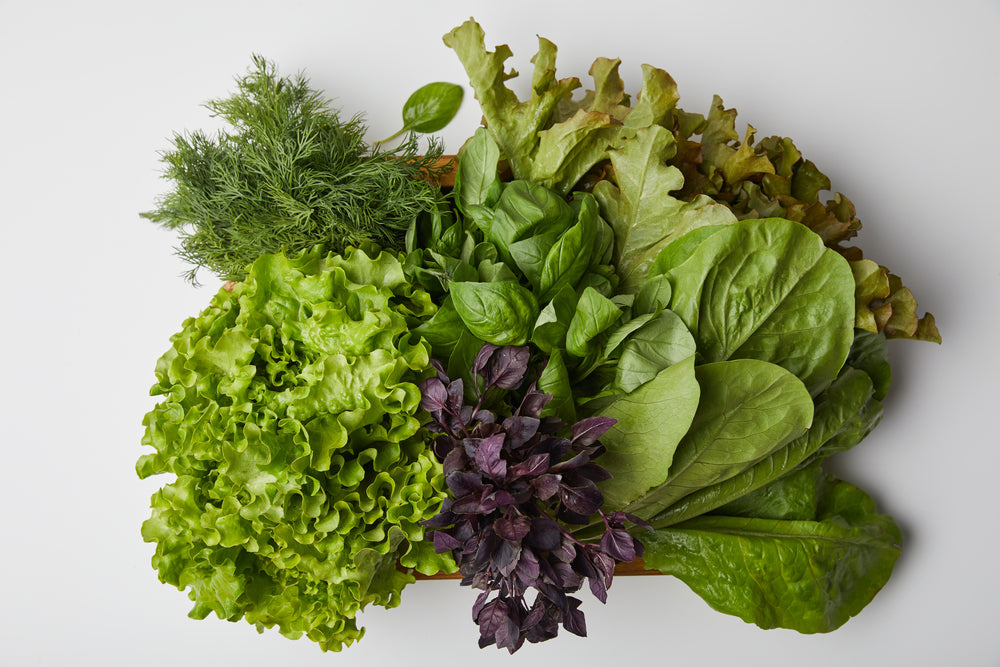
Health Benefits of Feeding Lettuce to a Dog
Below, we have highlighted five reasons why lettuce is a healthy vegetable that you can add to your dog's diet:
Can Support Digestive Health
Lettuce contains dietary fibers that can help support a dog's digestive health and regular bowel movements. These fibers can add bulk to stool, absorb excess water in the stomach, make it easier for the dog's body to move food through the digestive tract, and prevent constipation. Furthermore, fiber is a prebiotic food that can strengthen the good bacteria in a dog's gut. They help support the growth and activity of these good bacteria while restricting the overgrowth of harmful bacteria, helping maintain a balanced gut microbiome.
Lettuce Contains Many Nutrients
Although the exact nutritional value of lettuce varies depending on its type, overall, this leafy vegetable is rich in vitamins and minerals. It's mainly a rich source of vitamin K, which contributes to bone health, helps prevent heart diseases, and promotes faster wound healing, as well as vitamin A, which helps improve a dog's vision and also helps maintain healthy skin. Apart from that, lettuce also contains various minerals, including:
- calcium, which supports the development of healthy bones and teeth
- potassium, which regulates fluid balance and helps cognitive function
- magnesium, which helps heart health, bone health, and the immune system
- phosphorus, which contributes to bone health and proper kidney function
Provides Hydration
Lettuce has a high water content (around 90%), making it a hydrating treat for hot summer days. You can share it with your pup to provide additional moisture and keep their bodies hydrated and energized. However, lettuce shouldn't replace your dog's primary water source. Your dog should always have access to clean drinking water.
May Prevent Bad Breath
Lettuce contains chlorophyll, a compound that gives plants a green color. In dogs, this compound can help prevent bad breath by reducing the overgrowth of odor-causing bacteria in the mouth.
Even lettuce's high water content can stimulate saliva production, which helps wash away food particles or dirt that might be stuck between the teeth. This helps prevent bad breath and other oral health problems in dogs.
Please note that water-rich fruits and vegetables like lettuce are not replacing dog-friendly oral hygiene practices, including regular brushing.
Can Promote Weight Loss
Lettuce can be a safe choice if your dog is overweight or your vet advises you to manage calories. It's a low-calorie vegetable high in water, which can help promote a feeling of fullness between meals.
In addition to using lettuce as a treat, you can add it to your dog's regular meals to make it feel full and satisfied without increasing its caloric intake.
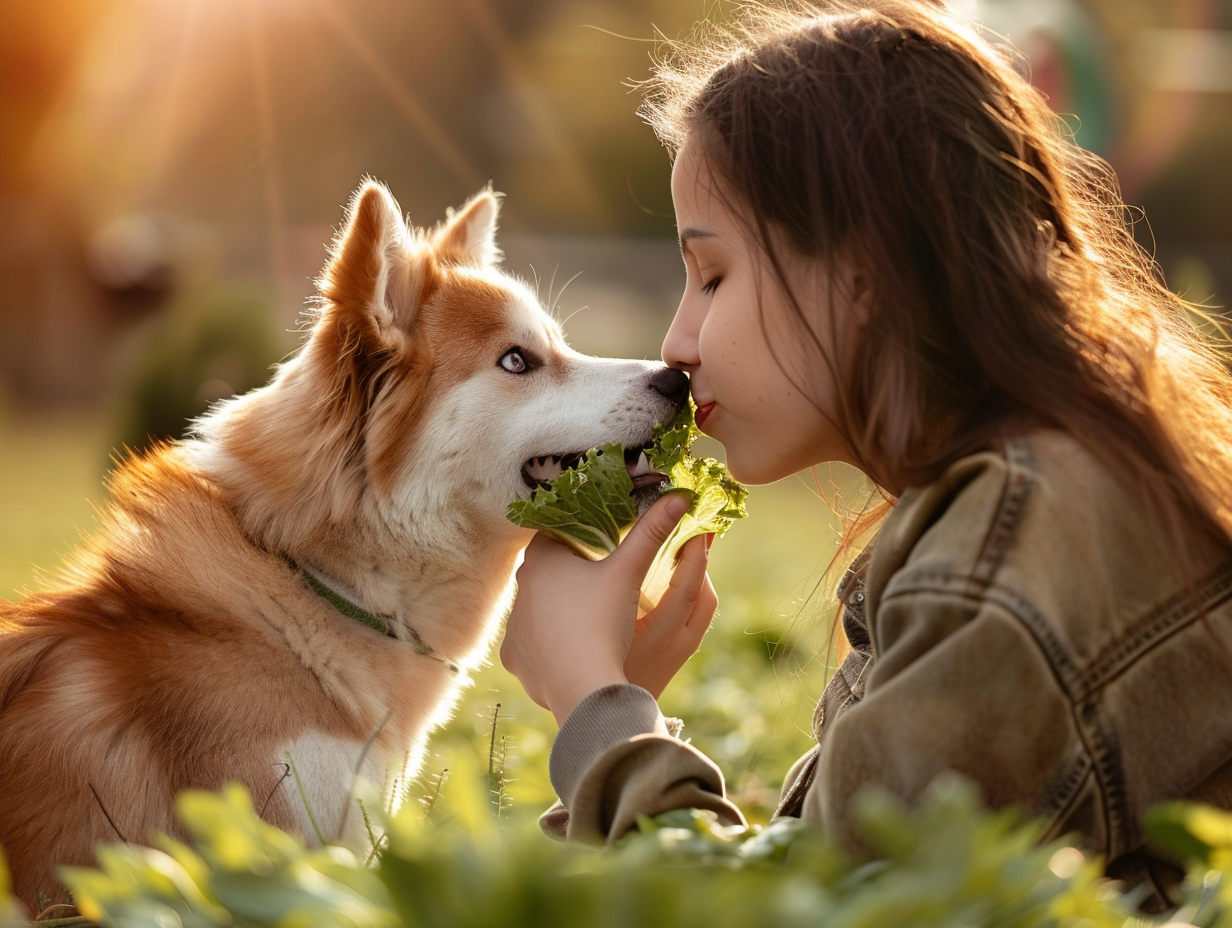
How to Feed Lettuce to a Dog
It's pretty simple to prepare and feed lettuce to your dog. Just follow these few simple steps:
Step 1: Choose the Right Type of Lettuce
There are various types of lettuce; fortunately, most are safe for dogs. You can buy anything from iceberg, romaine, arugula, butter, Batavia to lamb's lettuce. Remember that darker ones typically have more nutritional value even though they have roughly the same water content.
Step 2: Wash Properly
Lettuce can contain dirt and potential pathogens, including bacteria, viruses, and parasites. Thus, it's recommended that you thoroughly wash it before feeding it to your dog.
Step 3: Cut Into Small Pieces
Chop the lettuce into small bite-sized pieces so it's easier for a dog to chew and digest. Even though lettuce doesn't have a hard texture, it can pose a risk of choking, especially for dogs that often gulp down their food. Someone can easily avoid the risk if the lettuce is chopped into smaller portions.
Step 4: Serve Raw or Cooked
When it's time to feed the lettuce to a dog, you have two options: raw or cooked. Both versions are safe for dogs due to their preference and health requirements.
If your dog likes crunchy food, try serving raw lettuce pieces. But if your dog often suffers from digestive discomfort, cooked lettuce could be a safer choice for their tummy.

Precautions to Take While Feeding Lettuce to a Dog
Lettuce is a safe vegetable for a dog. Still, it's also essential to keep the following precautions in mind to ensure their safety and well-being:
Portion Sizes
Moderation is the key when it comes to feeding snacks to your dog, including lettuce. This vegetable contains fiber, vitamins, and minerals but lacks many more essential nutrients, including protein, carbohydrates, and fats. Even the high fiber content of this vegetable can be problematic when eaten in large amounts.
Thus, it shouldn’t replace their regular, well-balanced meals. You should consider lettuce an occasional treat that doesn't exceed 10% of your dog's daily caloric intake. The remaining 90% of their daily calories should come from a healthy and well-balanced diet.
Risk of Bacteria and Other Pathogens
Lettuce can harbor many bacteria, viruses, and parasites, including E. coli and Salmonella. We recommend buying lettuce from a reliable store and wash it properly before feeding it to your dog.
Avoid Other Ingredients
Lettuce is safe for dogs, but only when it does not contain seasonings or additional ingredients. If you have prepared a meal or a salad for yourself, you can set aside some plain lettuce for your dog. However, it is best to avoid feeding your dog lettuce from your salad or sandwiches, as the dressings, sauces, or other toppings could harm them.
Monitor Their Reaction
If you're feeding your dog lettuce for the first time, start with a small amount and monitor how they react to this new food. If you notice signs of food allergies or sensitivities, like diarrhea, vomiting, itchy skin, an ear infection, or sudden behavior changes, you should take your dog to a vet.
Consult a Veterinarian
It's always a good idea to consult a veterinarian before feeding your dog any new food. They can advise you on whether your dog needs that food or if it is entirely unnecessary. They can even recommend the correct portion sizes based on your dog's age, weight, health condition, and nutritional requirements.
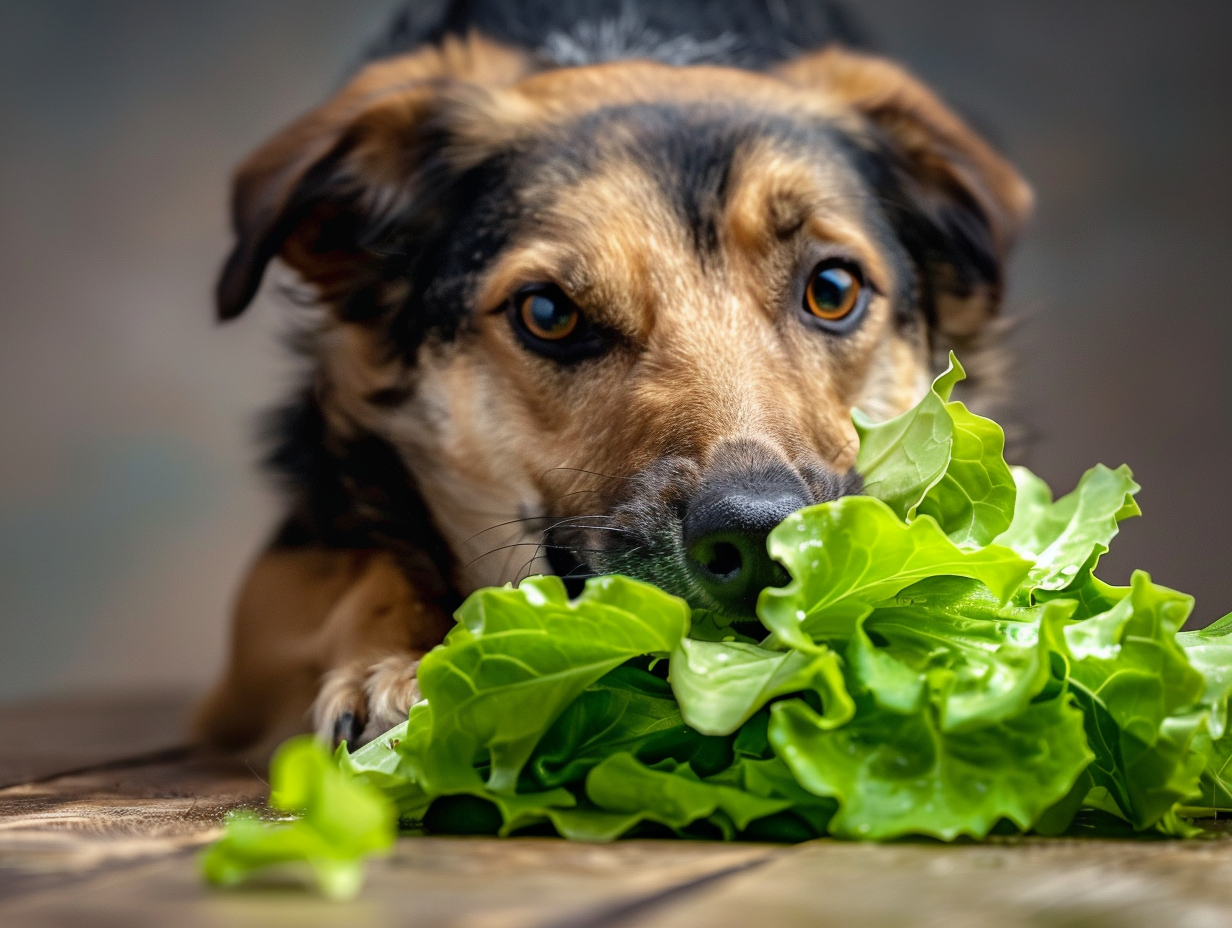
Summing Up: Can Dogs Eat Lettuce?
When served in moderation, lettuce can be a safe addition to a dog's diet. This vegetable's high water content, dietary fibers, minerals, and vitamins can improve your dog's overall health and well-being. Be careful of the portion sizes, and don’t exceed 10% of your dog's daily caloric intake.
If you have any further doubts, consider consulting with your veterinarian before feeding lettuce to your dog.
FAQs
Let's answer some frequently asked questions about feeding lettuce to a dog:
Can dogs eat romaine lettuce?
Yes, dogs can eat romaine lettuce in moderation. You can offer your dog plain and washed romaine lettuce as an occasional treat.
Can dogs eat iceberg lettuce?
Yes, dogs can eat iceberg lettuce in moderation. You can offer your dog plain, washed iceberg lettuce as an occasional treat.
Can dogs eat raw lettuce?
Yes, dogs can eat lettuce raw. It's a water-rich, crunchy vegetable that can appeal to them as a snack or treat. Ensure the lettuce is washed correctly to eliminate dirt and potential pathogens, including bacteria, viruses, and parasites. Additionally, it's recommended that the raw lettuce be chopped into small bite-size pieces so it's easier to chew and digest.
Can dogs eat cooked lettuce?
Yes, dogs can eat cooked lettuce with no seasonings or additional ingredients.
Source: https://www.masterclass.com/articles/can-dogs-eat-lettuce


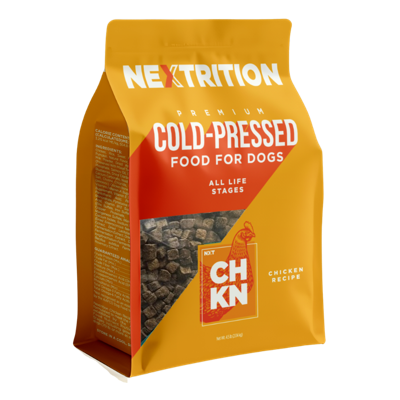
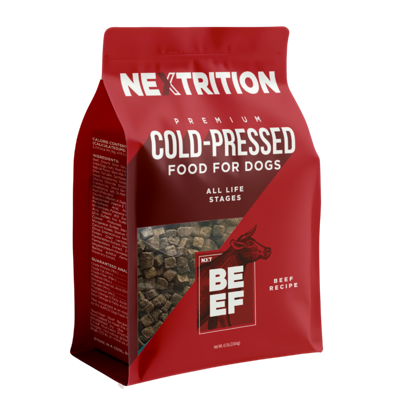
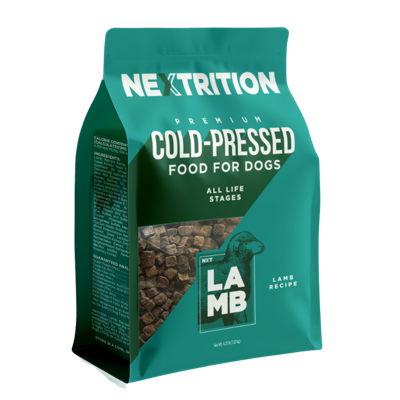
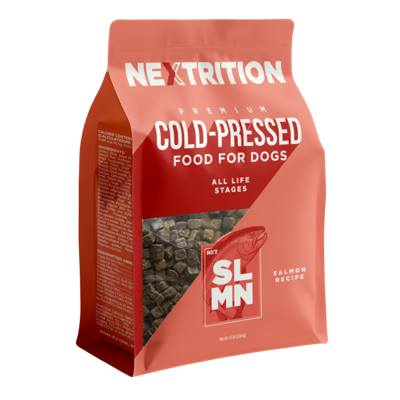
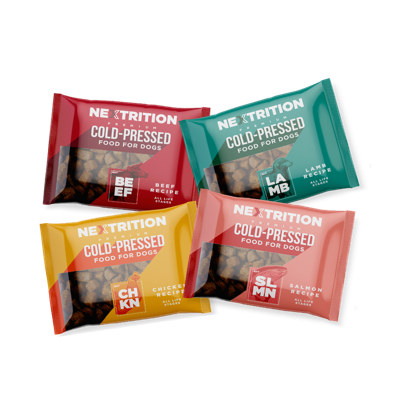
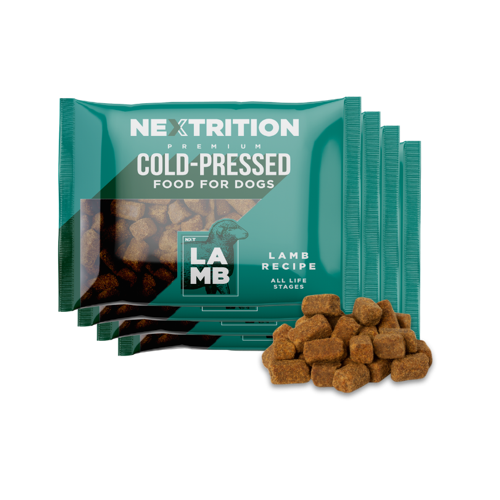
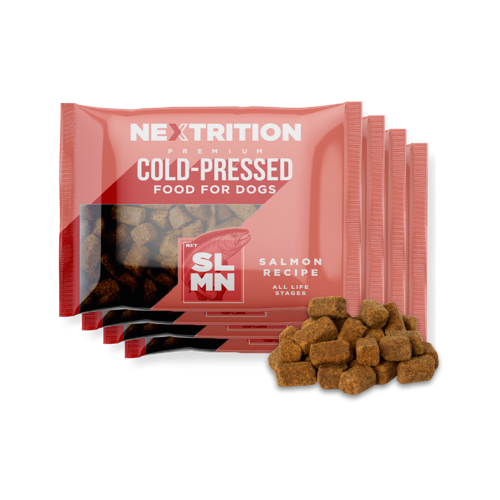
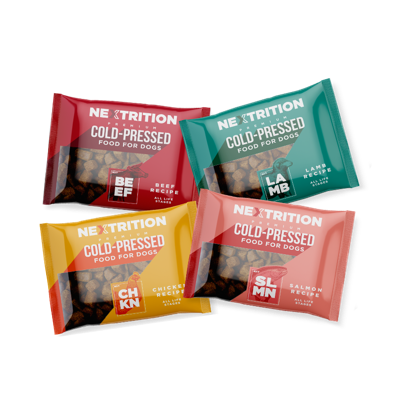
We would love nothing more than for you to transition your fur baby from their current hard-to-digest, yawn worthy kibble to our all-natural, gut friendly, cold-pressed dog food. We offer three recipes –
lamb,
chicken, and
salmon – that we are sure your dog would appreciate. But we would also encourage you to make the transition slowly. Changing your dog's diet suddenly could create unnecessary problems.
We dog owners know that our pooches love to eat. Most of them love to try new things as well. But believe it or not, canines have sensitive digestive systems. It doesn't take much to upset things. That's exactly what could happen if you suddenly switched foods without allowing your pet a transition period.
Below is a general guide for pulling off a gradual transition. It should work well regardless of the diet you have chosen, including our cold-pressed dog food recipes for your furry friend.
First Stage – 75/25 Mixture
The first stage of the transition takes place over days 1 and 2. It may require a bit of math, but look at the feeding guidelines for both diets and give your dog 75% of the recommended amount of the current food and 25% of the recommended amount for the new food. Do not exceed the ratio even if your dog shows tremendous interest in the new product.
Introducing new food too quickly could make it more difficult for your dog's digestive system to adjust to the new ingredients. The end result could be an upset stomach or even diarrhea and vomiting. Regardless of the speed of transitioning, some dogs have a more sensitive tummy than others and will have some softer stools during the transitioning process. It is common for all dogs to experience more gas during the transition period even if their stools are still firm.
Second and Third Stages
The second and third stages call for gradually reducing the old food while increasing the new. Begin stage two on the third or fourth day, reducing the 75/25 mixture to a 50/50 mixture. Continue with this ratio for another day or so.
Stage three should be somewhere between days 5 and 7. Here is where you will decrease your dog's old food to 25% while increasing the new food to 75%. As long as your pet hasn't shown any
signs of digestive troubles, you are well on your way to completing the transition.
The Final Stage
Throughout the transition, you have probably been monitoring your dog for any signs of digestive discomfort. Assuming that your pet has tolerated the new food well, you can eliminate the old food altogether by the eighth or ninth day. In most cases, a dog will have fully transitioned to the new food by day ten. If your dog has an iron gut, you can speed up the transition process to fully transition within 7 days.
Please note that all dogs are different. Some don't handle transitions to new food so easily. As a result, food transitions have been known to take as long as 14 days. Just go slow and steady, monitoring your pet along the way.
Why Transitions Can Be Slow
Patience is definitely a virtue when transitioning a pet from one food to the next. But that begs the question of why some dogs are slower to transition than others? There are several thoughts on why this is, including digestive system adaptation. A dog's digestive tract gets accustomed to the ingredients in its food. Introducing a new food too quickly can overwhelm the animal's digestive system.Another issue is the microbiome balance in a dog's gut. Just as with humans, introducing new foods can change the balance. That could cause an upset stomach and other conditions. The issue should resolve itself, but it can take time.
Whether you want to switch your dog to Nextrition or another brand, be sure to talk to your vet about your plans. Switching food brands or types should be done slowly. A slow and steady approach is good for both your dog's health and your emotional wellbeing.


Choosing the right feeding approach for your canine companion can be a puzzle. Both free feeding and scheduled feeding have their advocates, and each method has its own set of advantages and considerations, regardless of whether you're offering off-the-shelf kibble or an all-natural option like Nextrition cold-pressed dog food.
The Flexibility of Free Feeding
Free feeding involves leaving out a dish of food for your dog to graze on throughout the day, accompanied by fresh water. This approach is undeniably convenient for pet parents. There's no need to stick to strict feeding times or rush home to feed your dog.
One of the perks of free feeding is that it allows dogs to consume their food at their leisure, which some argue mirrors natural feeding habits in the wild. However, since domesticated dogs have different lifestyles, this comparison might not hold true in practice. Free feeding can be particularly beneficial for dogs who tend to naturally graze and eat in small amounts.
Considering the Drawbacks of Free Feeding
However, free feeding isn't without its pitfalls. The most significant concern is the risk of gorging and overeating, which can lead to bloating, throwing up, digestive issues and weight gain. This approach can be especially problematic in households with multiple dogs, as it may lead to competition and food dominance issues.
The Structured Approach of Scheduled Feeding
Scheduled feeding, where food is only offered at set times, has benefits primarily for your pet's well-being. Portion control is a major advantage, allowing you to tailor meal sizes to your dog's health, age, weight, and activity level.Other benefits include:
- Appetite Monitoring: Scheduled feeding makes it easier to notice any changes in your pet’s eating habits, which can be early indicators of health issues.
- Dental Health: If you feed your dog a dry food, observing your dog eat can offer insights into their dental health. If they are being more sensitive to chewing or avoiding it altogether when they used to chew their food could indicate dental issues.
- Behavioral Training: Particularly for puppies, scheduled feeding can aid in housebreaking, as it makes bowel and bladder movements more predictable.
The downsides to scheduled feeding include less flexibility in your daily routine and the potential need for more frequent feedings for dogs with specific health conditions.
Finding the Right Fit for Your Furry Friend
While we confidently recommend Nextrition all-natural cold-pressed dog food, the choice between free feeding and scheduled feeding ultimately depends on your individual dog's feeding preference and your lifestyle. For a decision tailored to your pet’s unique requirements, consulting your veterinarian is the best course of action. They can provide guidance based on your dog’s specific health and nutritional needs, ensuring a happy, healthy, and well-fed pet.

We often associate coconuts with tropical beach vacations. And now they have found their way from sandy shores into our kitchens, grocery stores, and restaurants. We often enjoy them in our curries, smoothies, and even desserts.
But the real question from every pet owner is, can dogs eat coconut? In this article, we’ll uncover the truth behind the question by unveiling some potential benefits and possible risks of this tropical fruit.
So, let’s dive right in.

Can Dogs Eat Coconut?
Yes, dogs can eat coconut, but in moderation. While this fruit offers many potential health benefits for dogs, it's important that you stay mindful of the portion sizes as coconut contains medium-chain triglycerides. This compound can cause some gastrointestinal upset and bloating when eaten in large quantities.
Your dog will reap the maximum benefits of coconuts when you incorporate them as a supplement to their regular and balanced diet.
Health Benefits of Coconut for a Dog
Coconuts are believed to have many benefits for dogs. Below, we've outlined 5 of these potential health benefits:
1. Improves Skin and Coat Health
Coconut contains medium-chain fatty acids (MCTs) that can help improve the overall skin and coat health of dogs. It also provides anti-inflammatory properties that can help reduce itching, redness, and skin irritation.
2. Supports Digestive Health
Coconuts are rich in dietary fibers that can support digestion and promote regular bowel movement when served in moderation. They act as a natural bulking agent that adds bulk to the stool and absorbs excess water, which can help prevent diarrhea and constipation.
When these fibers enter your dog's gut, they serve as prebiotics that foster the growth of good bacteria while inhibiting the overgrowth of bad bacteria. This helps maintain a healthy balance of the gut microbiome.

3. Prevents Inflammation
Coconut contains lauric acid, a substance that is known to have anti-inflammatory properties. That means it can protect the cells from damage caused by free radicals and prevent chronic inflammation. This, in turn, can help prevent other health conditions like arthritis, heart diseases, autoimmune disorders, skin allergies, respiratory problems, etc.
4. Boosts the Immune System
Along with its anti-inflammatory properties, lauric acid is also known to have antimicrobial and antiviral properties. These properties can help your dog’s body fight off various viruses and other harmful pathogens, thus supporting their immune system's defense mechanisms.
5. Provide Many Minerals
Coconuts are often recognized for their rich mineral content, as they contain:
- Calcium - supports the growth and maintenance of strong bones & teeth
- Magnesium - contributes to healthy muscle function and immune system
- Manganese - required for the development of bones and tissue
- Phosphorus - supports healthy kidney function and bone health
- Potassium - helps regulate fluid balance, boosts metabolism, and supports cognitive function

What Type of Coconut Product is Safe for Dogs?
Coconuts come in a variety of shapes and forms, but are they all safe for your dog? Let’s find out.
1. Coconut Flesh
The white part of a fresh coconut, also known as the coconut meat or flesh, is safe for dogs. However, you should be mindful of the portion sizes as this part contains high fat and fiber content, which can cause digestive issues like diarrhea.
Ideally, coconut flesh should be considered as an occasional treat, and its amount shouldn’t exceed 10% of your dog’s daily caloric intake.
2. Coconut Oil
Coconut oil is also safe for dogs, but only in small amounts. It, too, contains high amounts of fat that can cause digestive upset or diarrhea when eaten in large quantities.
3. Coconut Water
You can offer your dog some coconut water as a refreshing treat for hydration every now and then. It’s a good source of electrolytes, which makes it a healthy choice. However, it's crucial to choose natural coconut water and avoid commercially packed coconut water which can contain other ingredients and artificial sugar.

4. Coconut Milk
Dogs can have unsweetened coconut milk, but again, only in small amounts. Similar to other coconut products, milk is also high in fat and calories, which can have a negative effect on your dog’s health when eaten in large amounts.
5. Coconut Flour
Coconut flour is also safe for dogs, and it can even be used as an alternative to wheat flour in some homemade dog treats. It’s especially a good option for dogs with a wheat or gluten allergy.
How to Feed Coconut to a Dog?
Coconut is a treat that you can share with your dog occasionally. You can add a few small slices of fresh coconut flesh or shreds of plain dried coconut to their meal as a food topper. If your dog enjoys coconut milk, you can even add that to their regular meal.
Remember that moderation is the key. The amount of coconut you share with your dog shouldn’t exceed 10% of their daily caloric intake. While the remaining 90% should come from a healthy and well-balanced meal. To help prevent any digestive upset from coconut, it is recommended to start with less than 10% of their daily caloric intake and monitor their reaction.
Furthermore, if your dog is suffering from any existing health conditions or has special nutritional requirements, then you should consult with a veterinarian before giving them coconut.

Precautions to Take While Feeding Coconut to a Dog
When feeding coconut to your dog, make sure you take the following precautions to ensure their safety and well-being:
- Moderation - Coconut and its products contain high fat content, which can lead to adverse health complications when eaten regularly and in large amounts. Therefore, you should monitor the portion sizes and make sure the amount of coconut they eat isn’t exceeding 10% of their daily caloric intake.
- Allergic Reaction - Although it’s rare, a dog can still have an allergic reaction to coconut. Thus, you should start with small amounts and monitor their reaction for any signs of allergies or sensitivities. If you notice signs like diarrhea, vomiting, itching, redness, or swelling, contact your veterinarian immediately.
- Choking hazard - Coconut flesh can be a choking hazard when eaten in large chunks. Therefore, it’s recommended to either chop the flesh or shred them to make flakes that’ll be easier to chew and digest. Also, if you’re buying a fresh coconut, make sure you get rid of the husk, as it’s inedible and can pose a serious risk of choking for your dog.
- Consult a vet - If your dog has any pre-existing health conditions or they have special nutritional requirements, then you should consult a veterinarian before giving them coconut.
Summing Up
Coconut can be a safe addition to your dog’s diet. The amount of medium-chain fatty acids (MCTs), dietary fibers, antioxidants, and minerals present in this fruit can help promote your dog’s overall health and well-being. You just need to be careful about the portion sizes and share only a small amount of coconut with your dog as an occasional treat.
If you have any further doubts, then you can talk to a veterinarian before feeding coconut to your furry friend.

FAQs
Let’s answer some frequently asked questions about feeding coconuts to a dog:
1. Can dogs eat coconut oil?
Yes, dogs can eat coconut oil in small amounts. It’s important to note that coconut oil contains high-fat content, which can cause digestive upset or diarrhea in dogs when eaten in large quantities.
2. Can dogs have coconut water?
Yes, dogs can have natural coconut water as a refreshing treat, but it shouldn’t be their primary water source. Also, if you’re buying commercially packed coconut water, make sure it doesn’t contain other ingredients and artificial sugar that can be unsafe for a dog.
3. Can dogs have coconut milk?
Yes, dogs can have unsweetened coconut milk in small amounts. However, it should be considered an occasional treat since it’s high in fat and calories.
4. Can dogs eat coconut flakes?
Yes, a dog can eat plain coconut flakes as they are simply shredded pieces of coconut flesh. You can add them to their regular meals as food toppers or use them in some homemade treat recipes.
Just make sure that you either use natural coconut flakes or dog-friendly coconut flakes. Avoid buying coconut flakes that are made for humans, as they might contain other ingredients, seasonings, and artificial sweeteners, all of which are harmful to your dog.
5. Can dogs eat coconut yogurt?
Yes, dogs can eat coconut yogurt as long as it's made with ingredients that are safe for dogs. Some commercially available yogurts contain artificial flavors, added ingredients, seasonings, and artificial sweeteners, which can be harmful to your dog’s health.
6. Can dogs eat coconut ice cream?
Yes, dogs can eat coconut ice cream as long as it contains dog-friendly ingredients. Most commercially available coconut ice creams contain artificial flavors, added ingredients, seasonings, and artificial sweeteners, which can be harmful to your dog’s health.
Source:


Whether you like asparagus on the side with a steak or as a crisp addition to your favorite salad, it's a nutrient-rich vegetable that adds a delightful contrast to your dishes. And guess what? Asparagus isn't just for humans to enjoy, it’s also safe for dogs.
Yes, dogs can eat asparagus, but there are certain factors you should consider before sharing this veggie with your furry friend. In this article, we have discussed all these precautions in detail and also explained the right way to feed asparagus to a dog. But before all that, let’s start by understanding the various health benefits of this tasty green vegetable.

Health Benefits of Feeding Asparagus to a Dog
Below are the 4 amazing health benefits your dog will get by eating asparagus:
1. Improved digestive health
Asparagus is a rich source of both soluble and insoluble fiber that can help improve your dog’s digestion and promote regular bowel movements. These fibers are considered a natural bulking agent that can help the food move efficiently through the digestive tract while absorbing excess water.
Furthermore, fiber is also known to support the growth of beneficial gut bacteria that can help improve the overall gut health and boost the immune system of a dog.
2. Reduced Inflammation
Asparagus contains various antioxidants, and they’re especially a rich source of glutathione. It’s a very powerful antioxidant that plays an important role in protecting the cells from damage caused by free radicals. This function not only reduces the risk of chronic inflammation but also helps prevent many other serious health conditions in dogs.
3. Boosts Immune System
Asparagus contains vitamin C, which can help strengthen your dog’s immune system by promoting the production and function of white blood cells. This vitamin also has antioxidant properties that contribute to healthy skin and coat.
4. Support Bone & Teeth Health
Asparagus is known for its nutrient profile, as it contains various vitamins and minerals. This vegetable is especially rich in calcium, phosphorus, and vitamin K, all of which contribute to developing and maintaining strong teeth and bones in dogs.

How to Feed Asparagus to a Dog?
Dogs can eat asparagus, both raw and cooked; however, you should know that raw asparagus can be hard to chew and digest, especially for smaller dogs and puppies. It can also pose a risk of choking when eaten whole or too quickly.
That’s why the safest option would be to cook the asparagus by boiling or steaming until tender. Also, make sure that you chop the cooked asparagus into small bite-sized pieces that are easy for your dog to eat.
Then, you can either feed them asparagus on their own as a treat in between meals or add this vegetable as a food topper to their regular meal. If you prefer to make some homemade treats for your dog, then you can also add asparagus to those recipes.
Precautions to Take While Feeding Asparagus to a Dog
When feeding asparagus to your dog, make sure you take the following precautions to ensure their safety and well-being:
Avoid Overfeeding
Asparagus should be considered a healthy treat that supplements your dog’s regular, well-balanced diet. It should never exceed 10% of their total daily caloric intake because overfeeding this vegetable can lead to nutritional imbalance and digestive problems.
Also, when introducing this vegetable to your dog for the first time, start slow and give their body time to adjust to the new food.

Don’t Add Any Seasoning
While cooking asparagus for your dog, avoid adding any other ingredients or seasonings like oil, butter, salt, and pepper. These additional ingredients could be toxic to a dog or make them sick.
Prevent the Risk of Choking
Asparagus, especially raw asparagus, poses a risk of choking when eaten whole. Therefore, it’s recommended that you chop the asparagus into small bite-sized pieces that are easy for your dog to eat.
Foul-Smelling Urine
Asparagus can lead to a noticeable change in the smell of a dog’s urine. It isn’t something to worry about, as it’s caused by a certain compound present in this vegetable that, when metabolized, can result in a distinctive and often strong odor in the urine.
You should consult your veterinarian only when you notice any other changes in your dog’s behavior (other than the smell of their urine) after feeding them asparagus.
Summing Up
Asparagus can be a really great addition to a dog’s diet. This vegetable can provide them with dietary fibers, antioxidants, vitamins, and minerals. It can boost their immune system, support their digestive health, prevent chronic inflammation, and even support their bone and teeth health.
Just remember to cook the asparagus without any other ingredient or seasoning, and chop it into small bite-size pieces before feeding them to your dog. Also, be mindful of the portion sizes and make sure that your dog’s asparagus intake never exceeds 10% of their total daily caloric intake.
If you have any other doubts about feeding vegetables like asparagus to your dog, consult a veterinarian for further help.

FAQs
Let’s answer some frequently asked questions about feeding asparagus to a dog:
1. Is asparagus safe for dogs?
Yes, asparagus is considered safe for dogs. This vegetable contains dietary fibers, antioxidants, vitamins, and minerals that can support your dog’s immune function, digestive system, and bone and teeth health.
2. Can dogs eat raw asparagus?
Dogs can eat raw asparagus, but it can be hard to chew and digest, especially for smaller dogs and puppies. It even poses a risk of choking when eaten whole or too quickly.
3. Can dogs eat asparagus cooked?
Yes, cooked asparagus is the best option for dogs. But make sure it’s made without any other ingredients or seasoning, like oil, butter, salt, or pepper. These ingredients could be toxic to a dogs or make them sick.
Source:


We love our dogs. They aren’t just our pets, they’re a part of our family. And as their guardians, we’re responsible for their health and wellness. That includes feeding them healthy and nutritious food.
If you’re like most pet owners, chances are, you are probably feeding your dog dry kibble. But do you know there might be a better option available? Let's explore cold-pressed dog food and the reasons you may want to consider switching.
Cold-Pressed Dog Food
Cold-pressed dog food is a type of dry food made by mixing ingredients and forming them into pieces using pressure and relatively low production temperatures. The exact process and temperature vary by manufacturer, so check the product’s packaging or feeding guide for specific details.
It’s different from typical dog food prepared by extrusion, a method that uses heat, steam, and pressure to cook and shape kibble. Cold pressing does not automatically make a food nutritionally complete or suitable for every dog; the finished recipe still needs to provide appropriate nutrition for the dog’s life stage and needs.
Lower-temperature processing may help manufacturers keep recipes closer to their original form. Prins Petfoods describes cold pressing as a way to keep recipes pure and close to nature, while noting that lower production temperatures can reduce energy use. These processing claims should be considered alongside the food’s ingredient list, nutritional adequacy statement, storage instructions, and your veterinarian’s advice.

How is Cold-Pressed Dog Food Made?
Making cold-pressed dog food starts with wholesome ingredients which could include fruits, vegetables, prebiotics, probiotics, and popular proteins like beef, fish, and chicken. The entire mixture is pressed with a quick application of heat into a bite-sized shape your dog will love.
It’s worth noting that all ingredients are pressed very gently. This allows the food to break down slowly inside your dog’s tummy. It reduces swelling and bloating.
And since cold-pressing requires a very low temperature as compared to extrusion and baking, the food preserves more of its natural nutrients. It also makes the food more appetizing for your dog as more of the natural aromas and flavors are retained.
Cold-Pressed Dog Food Pros and Cons
Cold-pressed dog food is gaining widespread acclaim from dog parents. But to understand whether or not it’s a good option for your dog, let’s compare its pros and cons.
1. Highly Digestible Dog Food
Cold-pressed dog food doesn’t expand in the stomach like extruded foods. Instead, it breaks down quickly and naturally in the digestive process.
Have you ever seen kibble come back up? Most pet parents have, and it’s not pretty. But have you questioned why kibble looks the same after it’s been in your dog’s stomach as it did going in? That’s because kibble swells and bloats in the stomach, instead of breaking down into more accessible nourishment.
Apart from that, many extruded dog foods tend to have a variety of fillers which can upset the dog’s stomach.
2. Retains More Natural Nutrients
High heat leads to the destruction of proteins, nutrients, and complex starch-like sugars. Additionally, high heat creates free radicals that can damage the nervous and immune systems of your pet.
Whereas, cold-pressing is an amazing way of preserving the nutritional integrity of all the ingredients. It retains vitamins, natural enzymes, fibers, natural oils, and flavors while ensuring free radicals are not produced.
Furthermore, the natural blending of ingredients and gentle pressing creates a high density and highly digestible product. All of this makes cold-pressed food a great option for pet parents who are looking for a complete well-balanced diet that’s closer to nature.

3. Highly Palatable
Some dogs can be fussy. It can be hard to switch their diet. Many pet parents have easily transitioned their dog from dry kibble to cold-pressed dog food.
It’s because dogs are naturally drawn to the scent of real food. The cold-pressed process retains more of the natural flavors and aromas of fresh ingredients. That’s why this kind of food is great to stimulate a dog’s appetite and taste buds.
4. Ideal for Active Dogs
Cold-pressed dog food is more nutritionally dense than other types of food so you feed about 30% less than traditional kibble making it less taxing on a dog’s digestive system. The food breaks down and is digested faster so active dogs will have access to energy shortly after eating.
5. Ideal for Puppies
If you have a puppy, you may be more reluctant to try a new diet. They are more sensitive and they require proper nutrition. Plus it’s crucial that you feed the proper amount of calories, vitamins, and minerals to support their growth and development.
In such a case, cold-pressed food can be a great option for your pup as they transition to solid foods.
Additionally before buying the cold-pressed food for your puppy make sure it's formulated as per your dog's nutritional requirements, look for food labeled as puppy or all life-stages, both have the necessary nutritional requirements for this stage of your dog’s life.

6. Closest Alternative to Raw Dog Food
Feeding your dog a raw dog food diet is growing in popularity among dog owners around the world. Although this is a relatively small portion of dog owners, most veterinarians will not recommend this diet because of the fear of bacteria and parasites like salmonella and E. coli that can be present in raw food.
Plus feeding a raw diet can be a hassle for pet owners. It requires a lot of freezer space, proper handling, and it's not ideal for families with young children or people with compromised immune systems.
Cold-pressed dog food is a better and more convenient alternative to raw dog food without the risk of bacterial infection to dog owners. And it doesn’t require any special care and handling. Lastly, cold-pressed dog food is shelf-stable and convenient to store.
7. Costs Less than Raw & Fresh Dog Food Diets
Raw and fresh cooked dog food diets usually cost more because they need to be refrigerated or frozen. This means it has to be shipped in special containers or refrigerated, driving up the cost of the product and the energy needed to deliver it.
8. No Thaw Time & Shelf Stable
Cold-pressed dog food is shelf-stable whereas raw & fresh dog food diets will start to go bad when thawed within a few days. This requires the need to constantly plan ahead to ensure there is enough food in the fridge but not too much. It normally takes 24 hours to thaw once transferred from the freezer to the fridge.
9. Environmentally Friendly
As pet ownership rates increase around the world, so does the demand for pet food that is more sustainable. Cold-pressed dog food is more sustainable because it is prepared with less heat and thus it consumes less energy and resources compared to kibble. Furthermore, cold-pressed dog food is condensed and doesn’t come in large packages which reduces the amount of packaging needed.

Cons of Cold-Pressed Dog Food
Now that we understand the many pros of cold-pressed dog food, it’s only fair that we take a look at the potential cons as well. Let’s get started.
Costs More Than Kibble
Cold-pressed dog food costs more than typical dry dog food. Kibble has a lower cost due to how it is extruded and the quality of ingredients.
Limited Availability
Cold-pressed dog food is a relatively new type of pet food in the US market, so there are fewer brands and recipes to choose from and may not be available where you shop for dog food.
Cold Pressed Dog Food Comparison
Now, we're starting to see the many benefits of cold-pressed dog food. But, how does cold-pressed dog food fare against kibble, raw, fresh food and freeze-dried dog food diets? Let's find out.
1. Kibble
Kibble is produced by the method of extrusion. In fact, around 95% of all dry dog foods are made by a process called extrusion because it’s inexpensive, quick, and flexible.

Kibble
The process starts by mixing all the ingredients together and then grinding and grounding it into a dough. This dough is then pushed through an 'extruder' which is essentially a long metal tube. Here the mixture is continually heated under pressure at a very high temperature.
Once the ingredients are cooked, the dough is pushed out a die and cut to a specific length forming a piece of kibble. They are dried at a high temperature to reduce the moisture content and to harden. After being exposed to the high temperatures the natural flavors have been reduced or eliminated and have to be sprayed with a palatant to make the food appealing to the dog.
Advantages
- Convenient, widely available, and easy to feed
- Easy to store
- Wide range of recipes for specific health requirements of a dog
- Wide range of flavor and protein options
Disadvantages
- Takes longer to digest
- Can cause bloating due to how it expands in the stomach
- Palatants need to be applied to make the food appealing
Is Cold-Pressed Better than Kibble?
Every dog is different but many will do better with cold-pressed food because it has more digestive benefits. It also retains the taste of the natural ingredients which makes it more appetizing for fussy dogs.
2. Raw Dog Food
Raw meat-based diets have become more popular in recent years. A raw diet generally includes organ meats, bones, muscle meat, raw eggs, dog-safe fruits, and vegetables. Some people even mix raw food with kibble.

Raw
Advantages
- Higher energy levels
- Natural flavors are more appetizing than dry kibble
Disadvantages
- Comes frozen and needs to be thawed to feed your pup, which is time consuming
- Not ideal for homes with young children or people with compromised immune systems due to the increased risk of bacteria
- Not ideal for puppies or dogs with prior health conditions like pancreatitis, etc
Is Cold-Pressed Better than Raw Dog Food?
Cold-pressed dog food is the closest alternative to raw dog food. While the latter retains more natural nutrients and flavor, it’s also more prone to high numbers of pathogenic bacteria that can be harmful to humans. Raw diets also require you to plan ahead because you have to defrost it ahead of time.
3. Freeze-Dried Food
Freeze-drying is the process of removing moisture from raw and frozen products through a vacuum. The process starts by cutting down frozen raw ingredients down to the desired size and spreading them evenly onto trays. These trays are then stacked and stored in freezers.

Freeze-dried
The vacuum system used inside the freezers converts ice from the product into water vapor. This entire process is called sublimation.
There’s no heat involved in freeze-drying, hence all the natural nutrients remain unaltered.
Advantages
- Your dog gets all the natural nutrients
- Not overly processed
- Easier to digest when compared to kibble
Disadvantages
- Higher Price
- No moisture, so the dog needs to drink more water throughout the day.
- Not ideal for puppies
Is Cold-Pressed Better than Freeze-Dried Dog Food?
Cold-pressed dog food has many benefits over freeze-dried food. It's a more cost-effective option hence you won’t have to burn a hole in your pocket to get proper well balanced food for your dog.
4. Fresh-Food Diet
A fresh food diet does sound appealing and a healthier option for our dogs. Most commercial brands are a "human-grade" diet prepared with natural, real ingredients like beef, chicken, lamb, and fresh fruits and vegetables like spinach, carrots, and blueberries. The unique selling point of this kind of diet is that it's made with fewer or no preservatives.

Fresh-food
You can make a fresh-food diet for your pet at home but it'll require a lot of your time and finances. There's also an option of buying fresh-food diets. Many brands offer freshly cooked food that's sold frozen, so you don't have to handle raw food. If you decide to get them, you'll have to store them in the freezer and thaw them in the fridge before serving.
Advantages
- Most commercial brands use human-grade ingredients
- A good option for dogs with allergies
Disadvantages
- It demands more of your time, space, and finances
- Doesn't contain preservatives, thus requires proper refrigeration
- Shorter shelf-life
Is Cold-Pressed Better than Fresh Food Dog Food?
Even though the fresh part sounds appealing, it isn't always the best option for your dog. For example, the protein content per serving of fresh food usually ranges between 8-11%. Whereas the protein content in some cold-pressed diets contains 28% protein per serving.
Additionally, it’s worth noting that cold-pressed dog food is a much more affordable option compared to fresh-dog food.
How to Buy Cold Pressed Dog Food
As the concept of cold-pressed dog food starts gaining popularity, you’ll see a lot of new brands popping up. It can feel overwhelming and you’ll be left wondering how to choose good dog food.
To get started, find the ingredient list. You want to look for meat as the #1 ingredient, healthy grains, fruits, and vegetables.
Avoid dog foods that contain inexpensive ingredients with little to no nutritional value such as corn, wheat and soy.

Conclusion:
Cold-Pressed Dog Food is The Best Diet For Your Dog
The pet food industry has witnessed a big surge in growth. No doubt there are thousands of options available for you to choose from. But the benefits of cold-pressed dog food can outweigh a lot of other alternatives.
It’s the best method to preserve the natural nutritional value of the ingredients in your dog’s food. And as a pet owner, you won’t be exposed to bacteria and germs as you would while handling raw food.
If you’re ready to switch to cold-pressed food, it is often best to switch gradually over 7 to 10 days.
FAQs
1. Can a puppy eat cold-pressed food?
Absolutely yes. You can soak cold-pressed food in warm water before feeding it to your puppy. It’ll quickly break down and dissolve into the water making it easier for your puppy to digest. For example, Nextrition's formula contains all necessary nutrients that are beneficial for dogs at any stage of life.
2. Can you mix cold-pressed and raw dog food?
Yes, you can easily mix cold-pressed and raw dog food together. Reference the recommended feeding guidelines for both diets and adjust the amount fed for both to ensure they are receiving a balanced meal.
3. How to feed cold-pressed dog food?
When you start switching to cold-pressed dog food, do it gradually by adding a small amount into the current diet of your dog. You can slowly increase the portion size over the course of 7 to 10 days.
4. Is cold-pressed dog food better than extruded food?
It can be because the extruded dog food is subjected to high temperatures and rigorous pressure for cooking. Many sources claim that this method removes more than 40% of vitamins and minerals from the food.
That’s why manufacturers spray the final product with a mixture of fats, vitamins, flavors and minerals to meet the AAFCO’s standards.
Whereas cold-pressed dog food is gently mixed and cooked to form small bite-sized chunks. These are filled with nutrients and are easy to digest.
5. How do you store cold-pressed dog food?
We recommend that you should store cold-pressed dog food in a cool, dry place.
Join Our Pack
Sign up for our monthly newsletter focused on dog digestion health, cute pup stories, and the latest scoop from Nextrition.


Leading vet
Raw food diets for dogs have grown in popularity over the last several years. Proponents claim that raw food is healthier than traditional dog food. However, most veterinarians do not recommend raw diets for their patients. What’s true and who’s right? The truth is that there are many misconceptions about raw food diets. Purported benefits have not been validated and many pet parents are unaware of the risks associated with a raw diet. Before deciding to switch to a raw diet, make sure you understand the pros and cons of raw food diets.
What exactly is a raw diet?
Raw food diets, also known as BARF (Biologically Appropriate Raw Food) or PMR (Prey Model Raw) diets, involve feeding dogs raw meat, bones, organs, and sometimes vegetables and fruits.
According to JAVMA, raw diets are “diets that include uncooked ingredients derived from domesticated or wild caught food animal species that are fed to dogs or cats living in home environments.” These diets may include bones, skeletal muscle, byproducts, organs, unpasteurized milk, and uncooked eggs. To further complicate matters, raw food diets can be commercially available or home-made.

Why do people think raw diets are better?
There are several reasons why people feed their pets raw food diets. Proponents of raw food diets believe that raw food diets have many benefits. Is this truth or fiction?
1. “Raw food diets are closer to what our dogs’ ancestors ate in the wild.”
Advocates for a raw food diet believe that domesticated dogs have the same nutritional needs as their wild ancestors. Since dogs descended from wolves, they believe that our dogs’ diets should mimic what wolves eat. Wolves are carnivores whose digestive systems have evolved to process raw meat, bones, and organs. Proponents of the raw food diet argue that traditional dog food is overly processed and contains carbohydrates and other additives that can lead to a host of health problems, including obesity, dental disease, and gastrointestinal issues.
While this idea may seem to make sense, it is based on the flawed assumption that domesticated dogs have the same nutritional needs as wolves. A new study that compared the genome of domesticated dogs with wolves found that dogs have evolved and adapted significantly from wolves. “The genome signature of dog domestication” shows that they have adapted to a starch-rich diet. Unlike wolves that are pure carnivores, dogs are in fact omnivores.
As omnivores, domesticated dogs have evolved so that their gut can digest and metabolize plant-based ingredients in addition to meat. However, dogs still need a diet that is high in animal protein and fat to meet their nutritional needs. Protein is necessary for the growth and maintenance of muscle tissue and fat is important for energy, insulation, and the absorption of vitamins and minerals. Though dogs are not carnivores, the take home point is that they require a balanced diet that is high in animal protein and fat and low in carbohydrates and fiber. Their digestive system is not equipped to handle large amounts of carbohydrates or fiber. Diets that are high in carbohydrates can lead to weight gain, digestive problems, and other health issues.
2. “Raw foods are more easily digestible than processed kibble.”
There is a common belief that raw food diets are more easily digestible than kibble. Proponents of raw food diets often claim that dogs are better adapted to digest raw meat and bones. There is some evidence from studies that raw food diets are more digestible but most of these studies were done in cats and not dogs. For example, one study that examined feeding raw or kibble to African wildcats reported better crude protein digestibility in raw diets though this did not apply to fat, dry matter, or energy digestibility.
A study in dogs that compared extruded dry kibble (commercial dog food), high-moisture roasted refrigerated, high-moisture grain-free roasted refrigerated, and raw diet reported mixed results. When compared to kibble, raw diet had better digestibility in fat but not crude protein or energy (high-moisture grain-free roasted refrigerated had higher crude protein digestibility than raw). Ultimately, a review of the literature shows little scientific evidence to support the claim that raw food is more digestible than kibble in dogs. In fact, raw food diets can be tough and fibrous and cause gastrointestinal problems such as constipation, diarrhea, and even blockages in the digestive tract. While raw food diets may seem like a more natural and therefore more digestible option for dogs, the evidence does not support this claim.

3. “Raw food diets are better for your dog’s teeth.”
Another myth about raw food diets is that they are better for your dog’s teeth. However, a study published in the British Journal of Nutrition reported that home-prepared diets had a higher risk of a dog having oral health issues than commercial dry food (41% versus 22%). Another study reported a 42% decrease in the accumulation of tartar with larger kibble. Ironically, raw food diets that include bones may injure your dog’s teeth. Bone is added to raw food diets to provide calcium and phosphorus. However, if the bones are not ground completely, bone fragments can break a tooth or cause gastrointestinal problems.
What are the risks of feeding a raw diet?
While the purported benefits of a raw food diet are questionable at best, there is a growing body of evidence to suggest that raw food diets may actually be harmful to dogs. Raw diets may contain dangerous bacteria, bone fragments that can cause problems, be nutritionally deficient, or be harmful to people.
Bacterial Contamination
One of the primary concerns with raw food diets is the risk of bacterial contamination. Raw meat and bones can carry harmful bacteria such as Salmonella, E. coli, and Listeria, which can cause serious illness in both dogs and humans. One study reported that 80% of home-prepared raw chicken-based diets were contaminated with Salmonella versus 0% in commercial kibble. Commercial raw meat-based diets have not fared better. Another study reported that 21% of 166 commercial raw diets were contaminated with Salmonella. Dogs can become sick from these bacteria by ingesting contaminated raw food or by coming into contact with contaminated surfaces. And, it is not just dogs, humans can also become sick when they come in contact with bacterial contaminated food, bowls or feces
Dental Damage
Raw food diets contain bones as an ingredient. Raw bones are often included in commercial raw food diets as a natural source of calcium and other nutrients. However, these bones can be very hard and if they are not ground sufficiently, bone fragments can cause dental fractures, broken teeth, and other serious dental problems. In addition, bone fragments can also cause gastrointestinal injuries and lead to constipation.

Nutritional Deficiencies
Another risk associated with raw food diets is the potential for nutritional deficiencies and imbalances. Home-cooked diets, and even some commercially-available raw food diets, often lack essential nutrients which can lead to a range of health problems. For example, a lack of calcium can result in weakened bones and teeth, while a lack of vitamin D can cause rickets. Additionally, raw food diets may not provide enough fiber or carbohydrates, which can lead to gastrointestinal problems such as constipation and diarrhea. A recent European study found that 60% of homemade raw diets had major nutritional imbalances and did not meet the nutritional needs of the pet.
Not suitable for all pets
It is also important to note that raw food diets may not be suitable for all dogs. Dogs with certain health conditions, such as pancreatitis or kidney disease, may not be able to tolerate a high-protein diet.
Health risks for humans
Raw food diets also pose a risk for humans. Handling raw meat and dishes can expose people to harmful bacteria like salmonella, E. coli and listeria. These bacteria pose even greater problems for people who are young, immunocompromised, old, or pregnant.

What is the final verdict on raw food diets?
While proponents of raw food diets claim that raw food diets can improve dogs’ overall health, coat, and digestion, there is little evidence to support these claims. To date there are no published randomized controlled studies that support the purported benefits of a raw food diet. On the other hand, there is a growing body of evidence that highlights the potential risks of raw food diets.
Besides the questionable benefits and known risks, raw food diets can be expensive and time-consuming to prepare. Unlike traditional dog food, which is readily available and requires no preparation to serve, raw food diets require careful planning and preparation. The meat and other ingredients must be sourced from reputable suppliers and the food must be stored and handled properly to reduce the risk of bacterial contamination. Additionally, the cost of raw food diets can be prohibitively high, especially for larger dogs or households with multiple dogs.
Final Thoughts
Even though raw food diets may seem like a healthy alternative to traditional dog food, the risks associated with these diets far outweigh any potential benefits. The risk of bacterial contamination, nutritional imbalances, dental damage, and the cost and time involved in preparing raw food diets makes them impractical and potentially dangerous.
The American Animal Hospital Association (AAHA) “does not advocate nor endorse feeding pets any raw or dehydrated non sterilized foods, including treats that are of animal origin.” Likewise, the American Veterinary Medical Association (AVMA) discourages the feeding to cats and dogs of any animal-source protein that has not first been subjected to a process to eliminate pathogens because of the risk of illness to cats and dogs as well as humans. Remember, if you have any questions about your dog’s diet, talk with your veterinarian to choose the best food for your pet’s individual needs.

Myths
“Dogs and cats are naturally resistant to salmonella or other bacteria”
FALSE! Pets are not immune to bacteria. Dogs can contract Salmonella, E-coli, Listeria, and other bacteria, just like humans and other animals.
“Any food can be contaminated with, it’s not just raw food”
While this is TRUE, bacterial contamination is much more likely with raw diets.
“Bones in raw diets are good for pets”
FALSE! Bones can fracture teeth, cause gastrointestinal injury, and constipation.
“Freezing or Freeze-Drying kills bacteria that could be found in raw diets”
FALSE! Many of the bacteria that are found in raw meat can survive freezing.
FAQs
Q: Is a raw dog food diet safe?
A: While proponents of raw food diets claim their benefits, most veterinarians do not recommend them due to potential risks. Raw diets can be contaminated with harmful bacteria like Salmonella, E. coli, and Listeria, which pose health risks to both dogs and humans. Additionally, improperly formulated raw diets may result in nutritional deficiencies or imbalances, potentially causing health issues in dogs.
Q: What are the potential benefits of a raw dog food diet?
A: Proponents of raw food diets claim several benefits, such as improved overall health, coat condition, and digestion. However, scientific evidence supporting these claims is limited. Raw food diets are often thought to mimic what dogs' ancestors ate in the wild, but dogs have evolved as omnivores and require a balanced diet that includes animal protein, fat, and limited carbohydrates and fiber.
Q: What types of raw food are typically included in a raw dog food diet?
A: Raw dog food diets typically consist of raw meat, bones, organs, and sometimes vegetables and fruits. Some variations of raw diets, such as the BARF (Biologically Appropriate Raw Food) or PMR (Prey Model Raw) diets, may include a combination of these ingredients. It's important to note that raw diets can be commercially available or homemade.
Q: Are there any risks associated with a raw dog food diet?
A: Yes, there are several risks associated with raw dog food diets. Bacterial contamination is a significant concern, as raw meat and bones can carry harmful bacteria that can cause illness in both dogs and humans. Dental damage can also occur due to the hardness of raw bones, which can fracture teeth or cause gastrointestinal injuries. Additionally, homemade raw diets may lack essential nutrients, leading to nutritional deficiencies or imbalances.
Q: Should I consult with a veterinarian before starting my dog on a raw food diet?
A: Yes, it is highly recommended to consult with a veterinarian before starting your dog on a raw food diet. Veterinarians can provide guidance based on your dog's individual health needs and assess the potential risks and benefits. They can also help ensure that the diet is balanced and meets your dog's nutritional requirements.
Q: How should I transition my dog to a raw food diet?
A: If you decide to transition your dog to a raw food diet, it's important to do so gradually. Start by introducing small amounts of raw food alongside their regular diet and gradually increase the proportion of raw food while decreasing the previous diet. This gradual transition helps minimize digestive upset and allows your dog's system to adjust to the new diet.
Q: Can all dogs eat a raw food diet?
A: Raw food diets may not be suitable for all dogs. Dogs with specific health conditions, such as pancreatitis or kidney disease, may require dietary restrictions that a high-protein raw diet may not accommodate. It's crucial to consider your dog's individual health needs and consult with a veterinarian before making any dietary changes.
Q: How do I ensure that my dog's raw food diet is balanced?
A: Achieving a balanced raw food diet can be challenging, especially with homemade diets. It's important to work with a veterinarian or a veterinary nutritionist to formulate a balanced diet that meets your dog's nutritional needs. This includes considering the appropriate ratios of animal protein, fat, and essential nutrients while minimizing the risks of bacterial contamination.
Q: Can I feed my dog only raw meat?
A: Feeding your dog only raw meat may not provide a balanced diet. Dogs require a combination of animal protein, fat, and other nutrients to meet their nutritional needs. A raw meat-only diet may lack essential vitamins, minerals, and other nutrients necessary for optimal health. It's essential to formulate a balanced raw food diet that includes a variety of ingredients to ensure your dog's nutritional requirements are met.
Q: Are there commercial raw dog food options available?
A: Yes, there are commercial raw dog food options available. These commercial raw diets are formulated to meet the nutritional needs of dogs and may provide a more balanced option compared to homemade raw diets. However, it's important to choose reputable brands that follow proper food safety protocols and consult with a veterinarian to ensure the chosen commercial raw diet is appropriate for your dog.
Join Our Pack
Sign up for our monthly newsletter focused on dog digestion health, cute pup stories, and the latest scoop from Nextrition.

Be it pumpkin spice lattes or pumpkin pies, we love the taste and smell of this round winter squash. It reminds us of cozy memories, jack-o-lanterns, and many other fall festivals. But have you ever wanted to share a slice of pumpkin with your dog?
The good news is you can! Pumpkin is one such food that can offer the right amounts of vitamins and other needed nutrients to your dog. But not all kinds of foods made with pumpkin are safe for dogs.
This article will guide you on how to feed pumpkins to your dog without causing any health issues. But first, let's explore some more amazing health benefits of pumpkin for a dog.
8 Surprising Health Benefits of Pumpkin for Dogs
Pumpkin has a ton of different benefits for dogs. We'll discuss 8 such amazing benefits that help support your dog's overall health.
1. Highly Nutritious
Pumpkin is a superfood for your dog. It contains vitamin A which promotes healthy skin and eyes including night vision. It’s also a great source of vitamins C and E, as well as minerals like iron and potassium which help regulate your dogs’ blood pressure, improve muscle health, and boost immune health.
Vitamin E helps keep away free radicals that can trigger abnormal cell growth. Whereas iron helps keep your dog’s hemoglobin levels up.

2. Great for Digestion
A healthy digestive system is crucial for your dog. Pumpkin has a high soluble fiber content, which aids digestion. This fiber content adds bulk to your dog’s stool by absorbing water. This helps treat diarrhea.
What if your dog has constipation? Feeding your dog pumpkin for mild constipation can help. You can add 1-to-3 tablespoons of pumpkin to your dog’s diet and the fiber content of the pumpkin will help in eliminating the feces from the body.
But do remember to keep your dog well hydrated when increasing the fiber content of their diet otherwise constipation can get worse.
Furthermore, the fermentation of fiber produces fatty acids that supply energy to cells. Thus pumpkin also helps in lowering the acidity level in the large intestines of your dog.
3. Tastes Great
Pumpkin has a slightly sweet taste and a rich creamy flavor which is appealing to even the fussiest dogs. You can get these in various forms - canned, cooked, and pureed according to your preference.
But do avoid buying pumpkin pie filling or spiced canned pumpkin. It might contain ingredients like sugar, cloves, ginger, or cinnamon that aren't safe for dogs.

4. Aids Weight Loss
Beyond its delicious taste, pumpkin is a great food to promote weight loss in your pet. It has fewer calories and high fiber content which helps keep them full. It also allows your dog to lose some excess water in its body.
5. Prevents Urinary Incontinence
Urinary incontinence is loss of bladder control which can happen due to many reasons including UTI, weak bladder, hormonal imbalance, urinary stones, etc.
Pumpkin seeds and flesh contain antioxidants and a healthy dose of Omega 3 fatty acids. These help dislodge kidney stones and prevent urinary incontinence in your dog.
6. Helps Treat Parasites
The most common kind of parasites in dogs are tapeworms, hookworms, whipworms, and roundworms. If any of these parasites are present in your dog’s digestive tract, they can cause severe nutritional deficiency.
For centuries, people have used pumpkin as a dewormer. Pumpkin seeds are very effective in treating intestinal worms as they contain an amino acid called cucurbitin. It weakens the intestinal worms keeping your dog healthy and worm-free.
7. Improves Immune Health
70% of the immune system is impacted by a healthy gut and a healthy immune system in dogs is critical in fighting infections and diseases. The antioxidant properties of pumpkin can boost your pet's immune system. They can destroy free radicals or “oxidants” in your pet’s body.
8. Natural Prebiotic for Dogs
Prebiotics are a very essential compounds found in specific foods like pumpkin. These are the indigestible carbohydrates that move through the digestive tract of your dog. It reaches the colon where they get converted into short-chain fatty acids. These acids provide a source of energy for the good bacteria that live in your dog's digestive system. It aids in improving digestion and helps the immune system work better.
How to Use Pumpkin for Dogs
Now that you know how beneficial pumpkin is for your dog’s health, you’ll want to know “how much pumpkin do you give to a dog”
The amount of pumpkin you should feed your dog depends on its size. Small dogs can be fed 1 teaspoon and large dogs can eat 2 to 3 tablespoons of pumpkin per day. It is also recommended to begin with small quantities and increase gradually to avoid adding too much fiber.
If you’re unsure about how to start, below are the 4 most common ways you can feed pumpkin to your dog.
1. Plain Canned Pumpkin
Plain canned pumpkin is a good choice for your dog. It contains a mixture of vitamins, iron fiber, and potassium. You can serve it in various ways like:
- Add it as a food topper to your dog’s current meal.
- Mix it with a little flour and peanut butter to make cookies and serve as treats.
- Mix with a little water and put it into a silicon squeeze tube to feed puppies.
- Mix with chicken broth to make soup for your dog.
- Freeze a small amount in an ice tray to serve as a frozen treat on hot days.

2. Make Fresh Pumpkin Puree
Most pet parents prepare home-cooked meals for their dogs. But it should be noted that canned pumpkin is actually more beneficial as it has more nutrients and fibers whereas fresh pumpkin has higher water content.
But if you still want fresh pumpkin, make sure you cook it well before serving. Just take a small piece of pumpkin and scoop out the seeds. Place the pumpkin slices on a baking sheet that's lined with parchment paper. Bake it until the pumpkin flesh is fork-tender. Before removing the skin, let the pumpkin cool. Then cut the baked pumpkin into small pieces, blend, and serve.

3. Roasted Pumpkin Seeds
Pumpkin seeds are a highly nutritious part of the pumpkin. But they should be served more sparingly. Ideally, one pumpkin seed per 10 lbs of body weight per day is considered safe. You can easily shell, clean and roast fresh seeds and then grind them up to feed your dog.
But be wary of buying store-bought pumpkin seeds because they contain additional oils, salt and spices which may create health risks for your dog.

4. Pumpkin Supplements
You can find many pumpkin supplements in the market. These are generally available in powdered form that you can mix with water to get a canned pumpkin puree-like consistency. Most pet owners prefer them while traveling or camping as it’s convenient to carry.
The supplements have a nutrition chart that can provide you with the exact nutritional value of the product. But it’s recommended that you consult a veterinarian before adding a pumpkin supplement to your dog’s diet.
How Not to Feed Your Dog Pumpkin
While pumpkin has numerous benefits for your dog, you need to be cautious about a few things. Firstly make sure you feed your dog the right amount of pumpkin. Too much of anything is harmful.
Pumpkin contains fiber and too much fiber decreases the amount of protein and other nutrients your pet can absorb from their food. It puts them at a risk for deficiencies.
Secondly, if you’re buying canned pumpkins, read the ingredient list. You can only feed plain pumpkin puree to your dog. The puree made for pumpkin pie filling has added fat, sugar, cloves, ginger, nutmeg, or cinnamon. These spices can be toxic for your dog.
Also, avoid sugar-free canned pumpkins as it contains artificial sweeteners and xylitol, a life-threatening toxin for dogs.
Let’s Sum Up: Why Is Pumpkin Good for Your Dogs?
Feeding your dog only dry kibble can fulfill their basic nutritional requirements but enhancing their diet with healthy ingredients such as pumpkin can help them feel their best. That’s why professionals recommend enhancing your dog’s diet with nutrient-rich foods.
Pumpkin is one such superfood and a natural stomach soother for your dogs. It contains essential nutrients and fibers to keep our dogs happy and healthy. Plus, as an added bonus, the taste of pumpkins always makes your dog’s tail wag.
FAQs:
1. Can I feed pumpkin puree to my dog every day?
Yes, you can serve freshly made or plain canned pumpkin puree to your dogs every day. If you have a small pup, serve 1 teaspoon pumpkin and 2-3 teaspoons to big dogs per day.
2. Is pumpkin good for dogs with diarrhea?
Pumpkin contains soluble fiber content that adds bulk to the dog’s stool by absorbing water. It's very helpful in treating diarrhea.
3. Why do vets recommend pumpkins for dogs?
Pumpkin has high nutritional value, it promotes digestive health, and can prevent many diseases and infections. Hence it can be a great supplement to add in your dog’s foods.
4. What kind of pumpkin can dogs eat?
Plain canned pumpkin is one of the healthiest options for your dog. You can also make fresh pumpkin puree and roast some pumpkin seeds.
But while buying canned pumpkins, make sure you get the plain one and not the pumpkin pie filling as that contains added fat, sugar, and spices. These ingredients can be toxic for dogs.
5. Can I serve pumpkin to my dog with a sensitive tummy?
Yes, pumpkin as dog food is easy on the stomach of both puppies and grown dogs.
6. Can I feed my dogs pumpkin seeds?
Yes, you can feed roasted pumpkin seeds to your dog. Make sure you properly shell, clean and roast fresh seeds and then grind them up to feed your dog. And prepare them without any oils and added spices as they can be harmful for your dogs health.
Join Our Pack
Sign up for our monthly newsletter focused on dog digestion health, cute pup stories, and the latest scoop from Nextrition.
Source:
https://www.akc.org/expert-advice/health/can-pumpkin-help-with-dog-diarrhea/
https://pets.webmd.com/dogs/can-i-give-dog-pumpkin
https://blog.homesalive.ca/dog-blog/health-benefits-of-pumpkin-for-dogs
https://www.pumpkin.care/blog/is-pumpkin-good-for-dogs/