


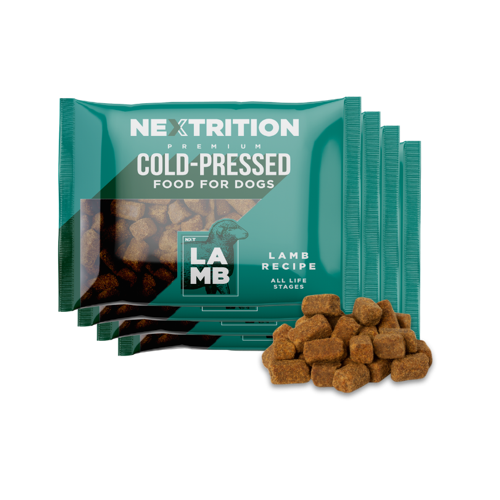
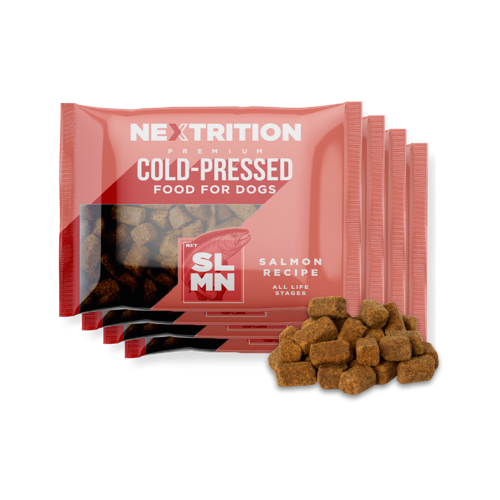
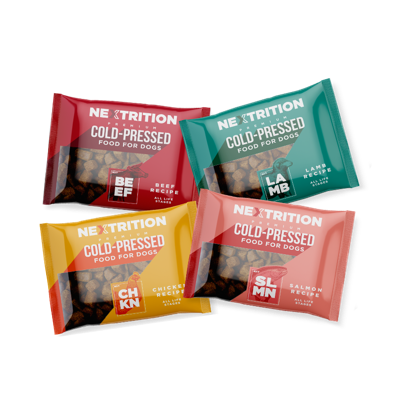


If you’ve been a dog owner for any length of time, you’ve probably heard that you should avoid giving your pup grapes. Simply put, feeding a dog grapes is a no-go.
The whole grape issue isn’t really a problem for those lucky dog owners whose pups seem to have a sixth sense about what’s bad for them. But for the rest of us—those of us with dogs who will eat just about anything—keeping grapes off the menu is a must. Why? It all comes down to one word: toxicity.
Toxins Are Poisons
So, what does 'toxic' really mean? Basically, it’s a fancy word for something that’s poisonous and can mess up your dog's health big time. Think of it as giving them something that could make them really sick or even worse. It’s bad news all around.
The Big Problem with Grapes
Here’s the deal: grapes, and their dried counterparts, raisins, contain something that is highly toxic to dogs. Scientists haven't nailed down exactly what it is, but the effects are well-documented. Even a small amount can be harmful. Depending on the size and sensitivities of your dog, even one grape could cause serious harm.
Grapes can hit your dog's kidneys hard, leading to sudden kidney failure. If your dog starts puking, has the runs, seems super tired, or isn’t interested in food, they might be in trouble. These symptoms can range from mild to severe, but in the worst cases, they can cause permanent kidney damage or even death. Smaller dogs are at greater risk, but really, any dog can get hit hard.
How Much Is Too Much?
You might’ve heard other dog owners say their dogs have eaten grapes with no issues. But here’s the thing—it’s all about the amount. The more grapes a dog eats, the worse it gets. Plus, stuff like your dog’s weight and age matter too.
And here’s the kicker: raisins are even worse. Since they’re dried, they’re more concentrated, so a handful of raisins is way more dangerous than the same number of grapes. Bottom line? Keep both grapes and raisins far away from your furry friend.Real-Life Stories
There are plenty of real-life stories out there that highlight the danger of grapes. Some dog owners have shared their experiences online, describing how their seemingly healthy dog suddenly fell ill after eating grapes or raisins. In many cases, these pets required emergency veterinary care. Some made a full recovery, but others were not so lucky. These stories serve as a sobering reminder of just how serious grape toxicity can be.
Safer Treat Alternatives
We get it. You want to treat your dog to something tasty and enjoyable. Fortunately, there are plenty of safe alternatives. Carrots, apples (without seeds), and blueberries make great snacks for dogs. You can also find a variety of dog-specific treats at your local pet store. These options can satisfy your dog’s craving for something special without putting their health at risk.
Long-Term Effects of Grapes
Feeding your dog grapes might not cause an immediate crisis, but that doesn't mean you're off the hook. Over time, even small amounts of grapes or raisins can build up and lead to chronic kidney issues. Your dog might start showing signs of kidney problems later on, which can seriously affect their quality of life. It's a slow burn that you definitely want to avoid.
Final Thoughts
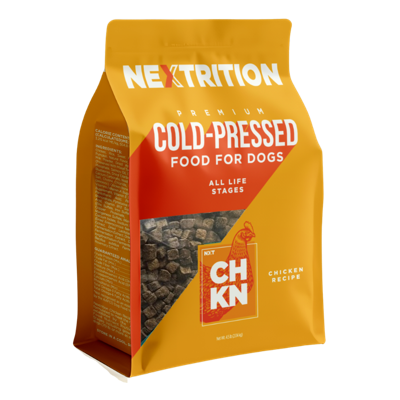
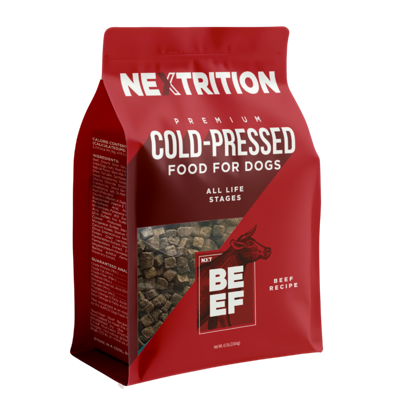
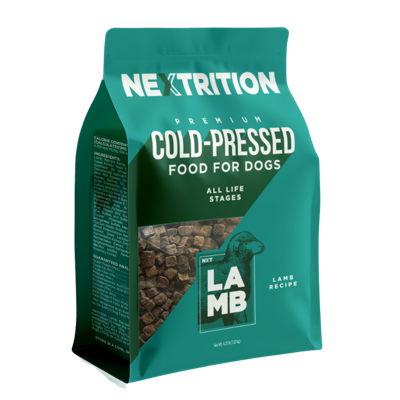
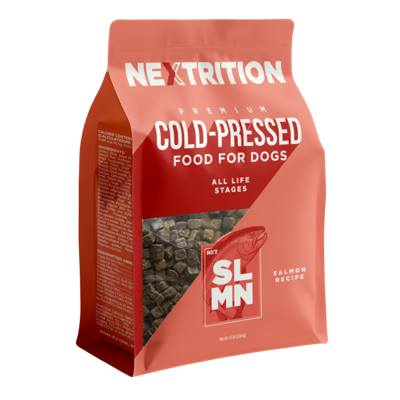
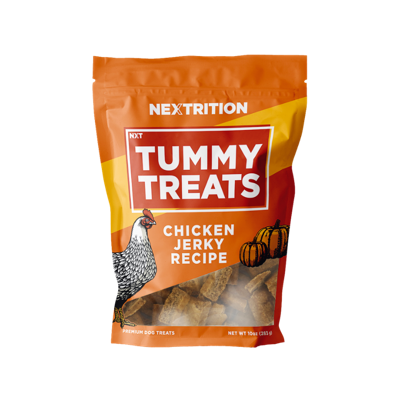
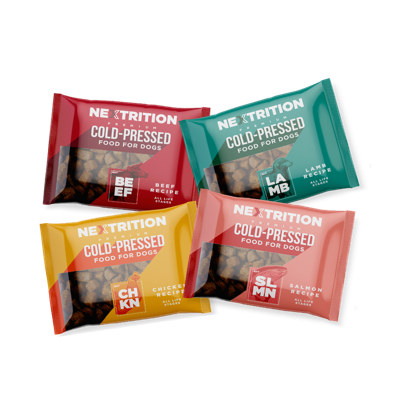
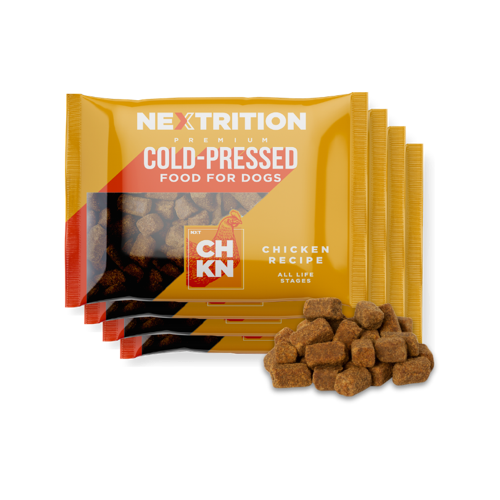
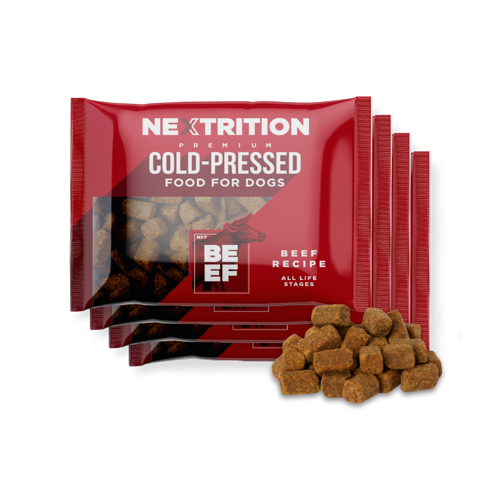
We know you want to spoil your furry friend with tasty treats, but skip the grapes and go for something safer. There are plenty of dog-friendly options out there that won’t put your pup at risk. For a healthy and delicious choice, try Nextrition
cold-pressed dog food. Your dog will love it, and you’ll have peace of mind knowing you’re keeping them safe.
Keeping your dog healthy and happy is the ultimate goal. By avoiding grapes and other harmful foods, you can make sure your pup stays in good shape for years to come. So next time you’re thinking about sharing a snack with your dog, make sure it’s something safe and dog-approved. Your best friend will thank you!


At Nextrition, we’re all about giving dogs the healthiest food possible. Sure, regular kibble might be the go-to for many pet parents, but we think there's something even better out there. We’re talking about cold-pressed dog food, and trust us, it’s a game-changer.
Now, we get it if you’re a bit skeptical. But hang with us for a minute, and we'll show you why we’re so passionate about cold-pressed dog food.

What Dogs Really Need in Their Food
Let's start with the basics: what do dogs really need in their food? A healthy diet for your pup is all about nailing the right mix of proteins, fats, carbs, and a solid balance of vitamins and minerals. When you’re picking out dog food, you want to make sure it checks all these boxes.
Now, let’s talk about what you might find in your typical kibble. Unfortunately, it often includes:
- Processed meats and meat by-products (yuck!)
- Grains and vegetables (some good, some not so much)
- Artificial additives and preservatives (no thanks!)
We’re here to shake things up. Forget the mystery meat and fillers. Your dog deserves the real deal—quality ingredients that promote real health. It's time to ditch the junk and go for the good stuff!
Yeah, regular kibble might tick the basic nutritional boxes, but cold-pressed dog food? It’s on a whole other level. Kibble often loses nutrients due to high heat and steam during processing. But our cold-pressed dog food? We keep all the good stuff intact.
Here’s the deal: we source top-notch ingredients and put them through a unique cold-pressing process to make sure your dog gets maximum nutrition. We’re talking high-quality ingredients and a special prep method that retains more nutrients than regular kibble. It's like gourmet dining for your pup!
Preparation Makes All the Difference
Feeding time is crucial. Regular kibble gets cooked at super high temperatures, which will zap a lot of the nutrients out of the ingredients. Plus, it can contain loads of artificial additives and preservatives. Not exactly what you’d call natural.
Cold-pressed dog food is different. We take the ingredients, mix, and press them together without high heat or steam to lock in more of the natural nutrients. This method keeps all those natural flavors, vitamins, minerals, antioxidants and live probiotics right where they should be – in your dog's bowl. Just open the bag, pour it out, and watch your dog chow down on some seriously good grub.
Convenience with a Capital C
We’re not saying convenience is everything, but let's be real – it’s pretty important. Regular kibble is convenient, sure, but it doesn’t always hit the mark on the nutrition front.
Cold-pressed dog food, though? It’s the best of both worlds. It’s super easy to feed your dog a healthy meal at home without all the hassle. And when you’re on the go, cold-pressed dog food is a breeze to pack. Just throw it in your bag, and you’re good to go – way easier than lugging around cans of wet food.
Why We Believe in Cold-Pressed
At the end of the day, we’re all about giving your dog the best. Regular kibble might do the trick for basic nutrition, but we believe your dog deserves more. With cold-pressed dog food, you’re getting superior nutrition and convenience all in one. It’s a no-brainer.
So, why stick to the same old kibble routine when you can level up your dog’s diet with cold-pressed food? Join us at Nextrition and see the difference for yourself. Your dog will thank you, and you’ll feel great knowing you’re giving them the healthiest, most delicious food out there.
We’re here to shake things up and show pet parents that there’s a better way to feed their furry friends. Give cold-pressed dog food a try, and you’ll see why we’re so hooked on it. It’s time to ditch the ordinary and give your dog something extraordinary.
That’s what we’re all about at Nextrition – making sure every dog gets the best food possible, and doing it with a bit of flair. Let's make mealtime something to wag about.


Plastic – the superstar of manufacturing materials. It’s everywhere, from cell phones to space shuttles. But when it comes to your dog’s food bowl, plastic might not be the hero you think it is. Sure, it’s popular for pet dishes, but is it really the best choice? Let’s dive into why you might want to ditch plastic bowls for your furry friend.
Not every dog will have issues with plastic bowls, but some might. Whether you’re feeding your pup Nextrition cold-pressed dog food or another brand, here are some reasons to reconsider that plastic bowl.

1. Plastic Can Harbor Bacteria
Plastic is porous. That means it can turn into a cozy home for bacteria over time. New bowls are pretty safe, but after a while, tiny scratches and chips – even those you can’t see – become a breeding ground for bacteria and insects. And guess what? Bacteria can make your dog sick. Yuck!
2. Plastic Bowls Can Lead to Allergic Reactions
Nextrition is top-notch cold-pressed dry food formulated to avoid most common allergies – it has limited ingredients, nutrient-dense and just right for most pooches. But did you know your dog can develop allergies from plastic bowls? Yup, just like some humans react to metal jewelry, dogs can react to certain plastics. Look out for inflammation, skin irritation around the mouth and nose, or even canine acne.
3. Some Plastic Bowls Contain BPA
Here’s the lowdown: some plastics are made with bisphenol A (BPA). While a little exposure isn’t usually a big deal, BPA can mess with your dog’s endocrine system. Too much exposure can lead to hormonal issues, obesity, and even more serious problems like infertility and cancer. Not cool.
4. Plastic Can Be Difficult to Clean
Plastic bowls might look clean, but microscopically, they can be a mess. Fats and oils from pet food can get absorbed by plastic, leading to build up over time. This makes it tough to get the bowl truly clean, turning it into a bacteria buffet. If you stick with plastic, scrub those bowls with hot water and dish soap frequently.
5. Plastic Can Break Pretty Easily
Plastic bowls get brittle and can break over time. Cracks and chips mean sharp edges that can injure your dog’s mouth. In the worst-case scenario, your dog could swallow a piece of broken plastic. No one wants that.
The Bottom Line
At Nextrition, we believe in serving our cold-pressed, gut-healthy dog food in the best way possible. Consider upgrading to metal or ceramic bowls for your pup. It’s a small change that can make a big difference. Your dog deserves nothing less than the best – because they’re not just pets, they’re family. Ready to make the switch? Your four-legged friend will thank you!


We're pretty sure our Nextrition cold-pressed kibble recipes are among the top contenders for the best dog foods, especially for those with sensitive tummies and to keep that nasty diarrhea at bay. Because let's face it, diarrhea isn't just a minor inconvenience – it's a downright mess. So, what gives dogs the runs? Let's dive into the not-so-pretty details.
First off, we're not vets. We highly recommend a trip to your vet if your dog keeps having tummy troubles. But hey, we've done our homework on doggie digestive issues and diarrhea. Here’s the lowdown: your furry friend’s diarrhea can be caused by a ton of things.

Dietary Shenanigans
More often than not, diet is the big baddie behind dog diarrhea. That’s why we're super picky about our recipes. We want our dog food to be not just healthy but also easy on those sensitive stomachs and delicate digestive systems.
One major dietary offender? Spoiled food. Sure, some dogs are picky, but most will eat anything they can find. Trash-diving is a recipe for disaster. Let’s be real, spoiled food is as bad for them as it is for us.
- Other diet-related culprits include:
- Switching to a new dog food
- New dog treats
- Gobbling down toxic or poisonous items
- Eating bones or foreign objects (think toys, fabric, etc.)
Switching between dog foods can often cause temporary digestive issues such as diarrhea but will often go away once your pup has adapted to the new food. If you know your dog has a more sensitive stomach you can switch between recipes more gradually. Just like us, dogs are what they eat. Munching on something they shouldn’t can turn their stomach into a disaster zone.
Non-Diet Related Issues
If your dog’s diarrhea isn’t food-related, then it might be a health issue. Bacterial infections, parasites, and viruses can wreak havoc on their system. Some serious conditions that can cause diarrhea include:
- Colitis
- Inflammatory bowel disease
- Intestinal cancer
- Liver or kidney disease
- Pancreatitis
- Parasitic infection
When diet and health conditions are ruled out, stress and anxiety might be the sneaky culprits. Yep, some breeds are drama queens when it comes to stress, and it can upset their intestinal tract. When their system’s out of whack, diarrhea is often the not-so-fun result.
When to Call the Vet
Sometimes, giving your pup healthy, cold-pressed dog food like Nextrition can solve their tummy troubles. But that's not always the magic fix. So, when should you hit up the vet?
If your dog has one episode of diarrhea but is otherwise acting normal and their next bowel movement is fine, don’t stress it. Even a day of diarrhea isn’t usually a big deal if they’re behaving normally.
But, if your pup has repeated bouts of diarrhea paired with unusual behavior, it's vet time. Watch out for lethargy and a lack of interest in food – these could be red flags for something more serious.
Making the Switch to Nextrition
Pro tip: If you're switching from dry kibble to our awesome cold-pressed dog food, Nextrition, don’t do it cold turkey. Gradually introduce the new food by mixing a little bit of Nextrition with the old kibble and slowly increase the ratio. This gives your dog’s system time to get used to the new stuff. Check out our blog for more tips on making the transition.
Nextrition is packed with gut friendly ingredients including prebiotics, probiotics and postbiotics. If your pup isn’t currently getting these gut friendly ingredients and is then fed Nextrition it can be a bit overwhelming for the gut and could result in diarrhea, the solution is easy – transition a little more slowly so your pup’s gut will become accustom with the additional nutrients.
The Bottom Line
Dog diarrhea can pop up for all sorts of reasons, from dietary changes to underlying health problems. At Nextrition, we’re all about serving up top-notch, cold-pressed dog food that's easy on the gut and great for overall health. By understanding what might be causing your dog’s diarrhea and making smart choices about their diet, you can help your furry buddy live a happier, healthier life.
Join the feeding revolution with Nextrition. Our cold-pressed dog food is packed with all the juicy nutrients your dog needs without the burnout from over-processed kibble. Your dog deserves the best – and nothing less.
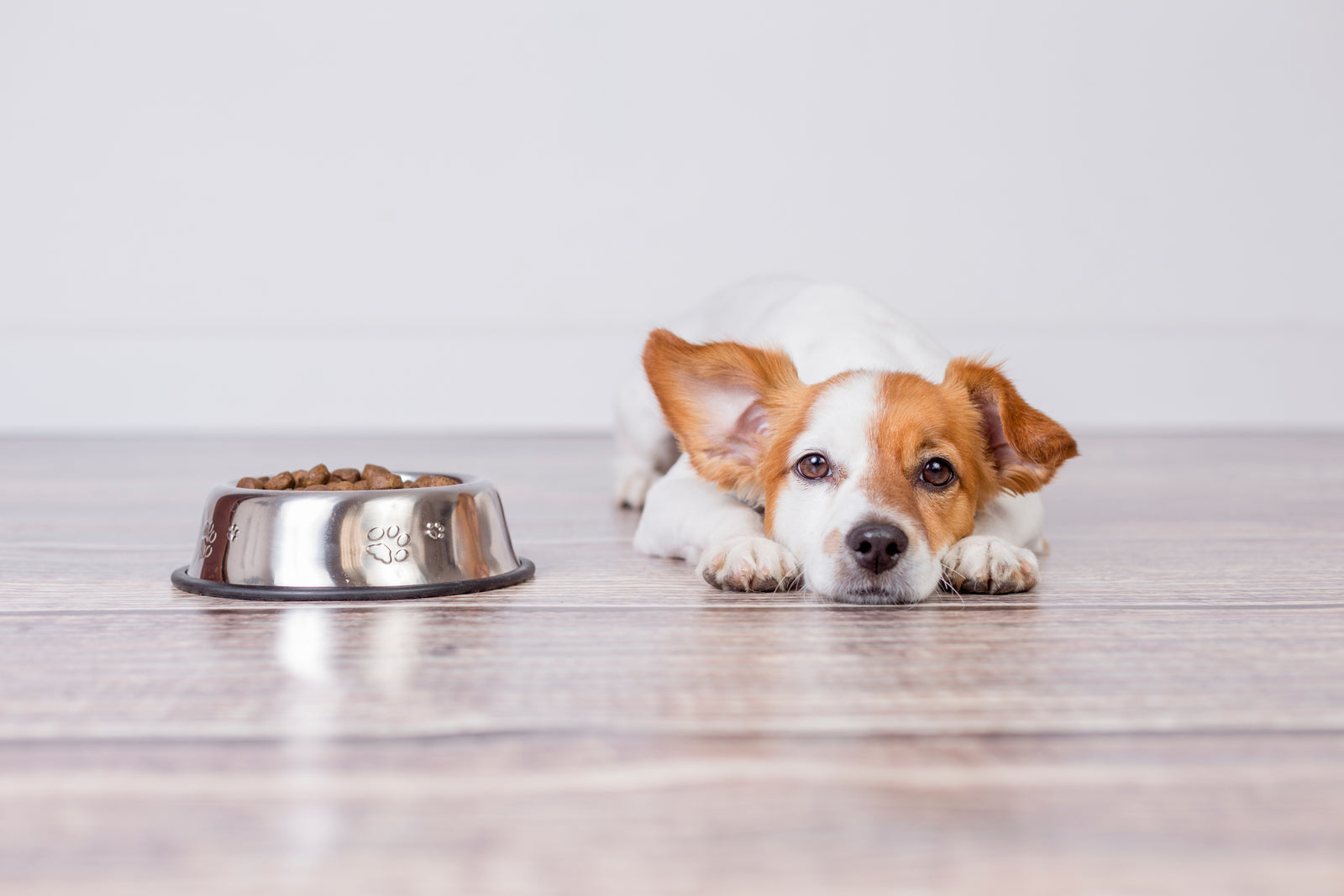

You've decided to treat your fur baby with the best — natural, cold-pressed dog food that's perfect for sensitive tummies. Kudos to you! Choosing food with all-natural ingredients and cold-pressing techniques is a stellar move for your pet's health. But there’s another piece of the puzzle — feeding your pup the right amount.
We've all been there— trying to figure out just how much to feed our dogs. Overfeeding or underfeeding can mess with their health, just like it does with us. A little extra here or there won’t hurt, but consistently giving too much or too little can spell trouble.

When Your Pup's Not Getting Enough
Hard to imagine your dog not eating enough, right? But it happens. Some folks might cut back on food to make their dog more motivated during training. Well-intentioned, sure, but it can lead to underfeeding. There are other reasons too, but the bottom line is, if your dog isn't eating enough, it can lead to some nasty health issues like:
- Skin problems
- Lethargy
- Thinning fur or even bald spots
- A weakened immune system
- Gastrointestinal problems
Think of it like this: without enough food, your dog’s body can't function right. They don't heal as fast, their growth is stunted, and they just aren’t their vibrant selves.
When Your Pup's Getting Too Much
On the flip side, overfeeding is more common. Who doesn’t love spoiling their pets? But overindulgence can lead to overfeeding, and that can cause:
- Skin issues
- Cushing's disease
- Breathing problems
- Congestive heart failure
- Certain cancers
- Musculoskeletal problems like arthritis and tendon issues
- Overfeeding can make your dog’s life tougher and shorter. No one wants that.
Finding the Sweet Spot
So, how do you nail the perfect portion? Your vet is your go-to person for advice on feeding guidelines. They know your dog's health and any specific needs they have.
And don’t overlook the food chart that comes with your dog food. If you haven’t checked out our blog post on food charts, do it! It’s a great resource. Basically, these charts give you a baseline for how much to feed based on your dog's weight. Just remember, they’re brand-specific – you can’t use a chart from one brand for another.
Nextrition also offers a free personalized feeding plan on our website that is tailored specific to your pup for a more exact feeding amount.
Why Nextrition Cold-Pressed Dog Food?
At Nextrition, we’ve raised the bar on dog food. Our cold-pressed dog food is all-natural, gut-friendly, and packed with nutrients. Think of it as a gourmet meal for the boss of the house (yes, your dog!).
Our cold-pressed technique locks in all the goodness and flavor, ensuring your dog gets a nutrient-packed meal that’s easy on the stomach. Say goodbye to digestive issues and hello to a healthier, happier pup. Plus, it’s perfect for dogs with sensitive stomachs or common allergies.
The Bottom Line
Feeding your dog the right amount isn’t just about keeping them full – it’s about their overall health and well-being. Whether you’ve got a picky eater or a dog with dietary restrictions, Nextrition offers a balanced, nutritious option that stands out.
Join the feeding revolution with Nextrition. Because your dog deserves the best – and nothing less. By making smart choices about your dog's diet, you can help your furry friend live a healthier, happier life. Whether you’re dealing with underfeeding, overfeeding, or just looking for the best dog food out there, remember that Nextrition has your back.


Puppies are undeniably bundles of joy, but don't be fooled—they won't stay tiny forever. Their growth might sneak up on you, but their feeding needs will demand your attention as they evolve. If you want your pup to thrive, you need a feeding plan that keeps pace with their ever-changing needs. Whether you're into our unique cold-pressed dog food or sticking with traditional kibble, understanding your pup's diet is your ticket to raising a rockstar. Welcome to the guide to growing up with your pup!
Veterinarians are all about the gradual approach to feeding, no matter what kind of chow you choose. Starting with puppy-specific food is a must before transitioning to adult formulas. So, how do you navigate this wild ride? Let's steal a few tricks from the pros at the American Kennel Club (AKC).

What the AKC Recommends
While we're the mavericks of creating healthy, delicious dog food, we're not veterinarians or dog trainers. Instead of trying to reinvent the wheel, here's a quick lowdown on the AKC’s four-step feeding plan for puppies:
1. Six to Twelve Weeks
For the first 6-12 weeks, the AKC suggests feeding your puppy specially formulated puppy food. This stuff is jam-packed with all the nutrients a growing pup needs, much like baby formula for human infants. You can feed your puppy grub that is formulated for all life-stages starting at 6 weeks and into adulthood without the need to switch. Regular adult dog food just doesn’t cut it for puppies. Aim for four feedings a day and watch your little furball thrive.
2. Three to Six Months
Around the three-month mark, you can dial it back to three feedings per day. Keep an eye on your pup’s body—if they’re still a bit pudgy, stick with four feedings a little longer. The goal is to gradually reduce the number of meals as they slim down and grow into their personality.
3. Six to Twelve Months
By six months, most pups are ready for two meals a day. Spaying or neutering might lower their energy levels and food requirements. This is also the time to start thinking about switching from puppy food to adult dog food. Smaller breeds often make the leap between 6-9 months, while larger breeds might stick with puppy food until their first birthday or beyond.
4. After the First Birthday
Once your dog blows out that first birthday candle, they should be on two half-portions of adult dog food per day. Large breeds might need a few more months on puppy food, but generally, adult food is the way to go by this age. It's all about finding the right rhythm for your growing companion.
Ingredients Really Do Matter
Getting your pup’s diet right as they grow is crucial. As you tweak portions and transition to new food, remember that ingredients are king. We believe that healthy dog food is non-negotiable, but also keep an eye on how your dog reacts to their diet. Some dogs have stomachs of steel, while others are a bit more delicate. It’s normal to experiment with a few different foods before finding the perfect match for your little troublemaker.
The Bottom Line
Growing up with your puppy is an adventure, and nailing their feeding plan is part of the wild ride. Embrace the chaos, make adjustments as needed, and always opt for nutritious, high-quality food. Your pup deserves nothing less than the best, and with a bit of attention and care, they'll grow into a healthy, happy adult dog. Ready to join the feeding revolution with our cold-pressed dog food? Let’s make every meal a celebration of health and happiness for your four-legged rebel!


While the average dog owner might not go crazy over it like a vet or pet nutritionist, food is the magic ingredient for every living creature's health, including our furry pals. It’s so important that dog trainers often use it as their secret weapon.
But what makes food such a powerful motivator? It's all about that survival instinct, baby. Let’s chew on that for a moment. And hey, if you’re on the lookout for the best in healthy dog food, gut-friendly options, or allergy-safe dry kibble, Nextrition cold-pressed dog food has got you covered.
Nextrition’s all-natural dog food is a game-changer for your pup’s gut health. We use top-notch ingredients and low-temperature cold pressing to create what we proudly consider some of the best cold-pressed dog food around.
Every Dog Is Motivated by Food
So, why use dog food as a motivator? Some dog owners swear they’ve tried every trick in the book, yet their pups remain unmotivated. Why? Experts say dogs, driven by survival instincts, are always motivated by food. If your dog isn’t responding, it might just be because you haven’t found the right food or that they’re already content and well-fed.
Picture this: you've got a bowl of Nextrition out all day for your pup. They nibble whenever they want, and by the time you’re ready for a training session, their tummy is already full. No wonder they’re not motivated! Try setting specific meal times instead. This way, your dog will be more inclined to work for those tasty treats during training sessions.

Other Things to Consider
If free feeding isn't the culprit, there could be other reasons your dog isn’t responding to food during training. Maybe the food you’re offering just isn’t exciting enough. A few pieces of dry kibble might not cut it. Your pup might be holding out for something more thrilling.
Think about the quality and type of food you’re using. Dogs, just like people, have preferences. If your pup isn’t thrilled with the dry kibble you’re offering, they might not be motivated to perform tricks or follow commands. Try using high-value treats or different types of food to see what gets your dog excited.
Distractions could also be a factor. Even if your dog wants to learn, a chaotic environment can make it tough for them to focus – food or no food. If your training area is too noisy or filled with other distractions, your dog might struggle to concentrate. Find a quiet, distraction-free space for your training sessions to help your pup focus better.
Other Motivators
Even though dogs need food to survive, sometimes you need to get creative. Maybe your pup has a favorite toy or an activity they love. These can be just as motivating as food. Some dogs are more driven by play or praise than treats. Discover what your dog loves most and incorporate that into your training routine.
For example, if your dog goes nuts for a game of fetch, use the ball as a reward instead of treats. Or, if your dog loves belly rubs and attention, use praise and physical affection to motivate them. The key is to find what your dog responds to best and use it to your advantage.
Why Choose Nextrition?
When it comes to feeding, we always recommend Nextrition cold-pressed dog food. Make it the cornerstone of your dog's diet and supplement with special treats during training sessions. Our cold-pressed method locks in nutrients and flavors, ensuring your dog gets the best of the best. Plus, it's gut-friendly and has limited ingredients, perfect for dogs with sensitive stomachs or certain allergies.
Nextrition is more than just dog food; it's a movement towards better health and happier dogs. Our food is crafted with love and care, using only the finest ingredients. We believe that every dog deserves the best, and that's what we strive to provide with every batch of our cold-pressed dog food.
The Bottom Line
Dog food isn’t just a mundane part of pet ownership – it’s a crucial aspect of your dog’s health and training. Understanding the importance of food as a motivator and ensuring you’re using high-quality, nutritious options like Nextrition can make all the difference.
Join the feeding revolution with Nextrition. Because your dog deserves the best – and nothing less. By making informed choices about your dog's diet and using food wisely in training, you can help your furry friend lead a healthier, happier life. So, whether you’re dealing with a picky eater or a training challenge, remember that the right food can be a game-changer.
Embrace the power of good nutrition with Nextrition and watch your dog thrive. Together, we can make every meal a celebration of health and happiness for your four-legged friend. Ready to make the switch? Your dog will thank you with wagging tails and happy barks!


New to the dog parent scene? Welcome to the pack! You might've stumbled across the term "feeding chart" and wondered what all the hype is about. Think of a dog feeding chart as your ultimate cheat sheet for figuring out how much to feed your furry buddy each day. Even seasoned dog owners find them handy, especially when switching up foods or noticing changes in their dog's health or eating habits. Our cold-pressed dog food comes with its own feeding guide.
So, what’s the deal with a dog feeding chart, and why should you use one? Let’s dig in. First off, remember there’s no one-size-fits-all chart. Each manufacturer has its own version tailored to their recipes. Always stick to the chart that comes with your dog food brand.
Dog Feeding Chart Basics
Picture a table with columns and rows – that’s your feeding chart. It offers baseline feeding recommendations based on your dog's weight and age. At Nextrition, we publish a unique chart for each recipe, found under 'feeding instructions' on the recipe page. We also recommend getting a free personalized feeding plan by taking a short questionnaire on our website that will factor in your dog’s age, weight, activity level and more for a precise feeding amount of our cold-pressed dog food.
Nextrition is a game-changer. Our cold-pressed dog food is crafted from all-natural ingredients, making it hypoallergenic and gut-friendly for dogs of all breeds. Your dog needs less of our cold-pressed goodness because our kibble is more nutrient-dense than traditional kibble. Our feeding chart won't apply to other brands because our recipes are one-of-a-kind, packed with specific ingredients and nutritional values. Below is an example of our custom feeding plan.

Why Use a Feeding Chart
Why bother with a feeding chart? For starters, dog food brands aren't created equal. Nextrition’s cold-pressed dog food is light-years ahead of the usual dry kibble. Our unique ingredients and cold-pressing process retains more of the natural nutrients and flavors that kibble burns off and is more nutrient dense than traditional kibble.
The dog food you buy should come with a feeding chart right on the packaging. Once you get the hang of it, you might not need to check the chart often. But if you switch foods, even within the same brand, always check the new chart.
Other Considerations
Feeding charts help prevent underfeeding or overfeeding by considering your dog's weight and size. For example, an overweight dog needs fewer calories. A feeding chart guides you on the right amount to feed based on weight, helping you maintain a healthy balance.
These charts are flexible tools. By keeping an eye on your dog's weight and condition, you can adjust feeding amounts as needed. Just remember, feeding charts are general guides. Your dog might have special dietary needs not covered by the chart.
If you’re ever worried about overfeeding or underfeeding your dog, don't hesitate to consult your vet. They can provide personalized advice, whether you’re feeding Nextrition cold-pressed dog food or another top brand of dry kibble.
Ready to join the feeding revolution? Embrace the goodness of Nextrition and keep your dog's bowl brimming with the best. Because your furry friend deserves nothing less!


Here at Nextrition, we’re not just pushing dog food; we’re revolutionizing it with natural, gut-friendly, cold-pressed dog food that makes tails wag. We've dug deep into the canine appetite conundrum and, spoiler alert: it can be as unpredictable as yours and mine. Pinpointing whether your dog’s new pickiness is a passing phase or a vet-worthy concern? That’s the tricky part.
Appetite and Dog Genetics: What's in the DNA?
Let's break it down: appetite isn't just a mood—it can be in the genes. The American Kennel Club (AKC) throws the spotlight on breeds like pugs and labradors, notorious for inhaling their food, while sighthounds barely pack on pounds thanks to their turbo metabolisms.Understanding what's "normal" for your breed is crucial. It sets the stage for deciphering whether your pup’s hunger games are just breed quirks or something more.
Appetite and Environment: The Daily Dog Drama
Beyond genetics, it’s the world around them that can shape their food interests. At Nextrition, we crafted a line that is a winner with some picky eaters—because sometimes, it’s not about being high maintenance, it’s about what’s on the menu.Is your dog turning their nose up at their bowl of kibble all of a sudden? Could be the boredom of an all-day buffet if you’re letting them graze. A possible fix? Keep meals short—no more than 15 or 20 minutes on the clock. And hey, cut down on the in-between treats. Just like us raiding the fridge can ruin dinner, too many goodies can spoil their appetite.
And let's not even start on the table scraps—occasional indulgence, sure; a daily habit, disaster.
Appetite and Nutritional Value: The Real Deal
Lastly, it’s about packing every bite with value—think complete, balanced, and downright delectable. Our food? It’s designed to keep your dog not full and thriving. Transitioning to our brand? Take it slow, introduce the good stuff bit by bit, and watch your pup’s health transform without the drama.So, if your dog’s appetite is doing a flip, don't freak out just yet. But hey, playing it safe with a vet check-up? Always a smart move.
Remember, we're not just feeding dogs; we're starting a food revolution. So why settle for less when you can elevate your dog’s dining experience with us? Say goodbye to the bland kibble, hello to the bold—join our rebellion and let's transform doggy dining one bowl at a time.

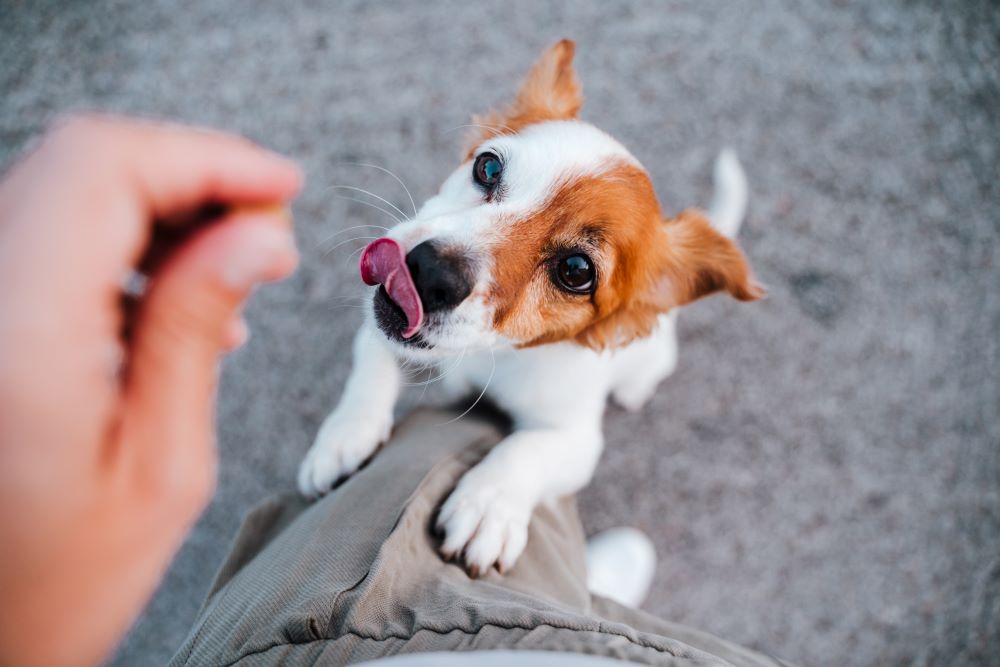
Let’s get real: a calm dog at mealtime might as well be a unicorn in the dog park. But, hey, even unicorns can be found if you know where to look, right? Here's the scoop: teaching your dog 'meal manners' isn’t just possible; it’s a must, and it’s all about patience and practice.
It’s All About Impulse Control
We get it, you want the absolute best for your furry friend—cue the natural superhero chow. But while we’re dishing out the good stuff, let’s not skimp on teaching some cool, calm, collected food vibes. This whole frenzy at feeding time? It’s about taming the beast of impulse.Remember, dogs are pack animals by nature. In the wild, it’s every pooch for itself when chow time rolls around. While we’re not trying to crush that wild spirit, we’re all about channeling that energy into some zen-like dining etiquette.
Training food manners isn’t about demanding your dog sit statue-still while you prep her gourmet dish—though that’s a bonus. It’s more about teaching her to chill out and not turn mealtime into a foodie free-for-all.
Different Ways to Rock Mealtime Training
We know all about healthy dog food here at Nextrition, unfortunately, we are not dog whisperers. But, we’ve scoped out some rad training tricks just for you:- The Elevator Game – Picture this: a trainer holds a bowl of treats aloft, then brings it down like it’s on an elevator. The lower it goes, the calmer your dog needs to be to earn a treat. It’s like mindfulness training but way tastier. Check out this video we loved that shows off this method.
- The Bucket Game – This game’s all about focus. A dish of treats gets the left-right shimmy, and as long as your dog keeps a cool head and eyes on the prize, she gets a tasty reward. Watch this video to see this game in action.
Whether your dog’s chowing down on dry kibble, our revolutionary cold-pressed dry dog food, or something in between, mealtime doesn’t have to be a circus. Invest some time, toss in a dash of dedication, and watch your dog transform into the epitome of dinner time decorum. Get ready to redefine mealtime madness into mealtime coolness.

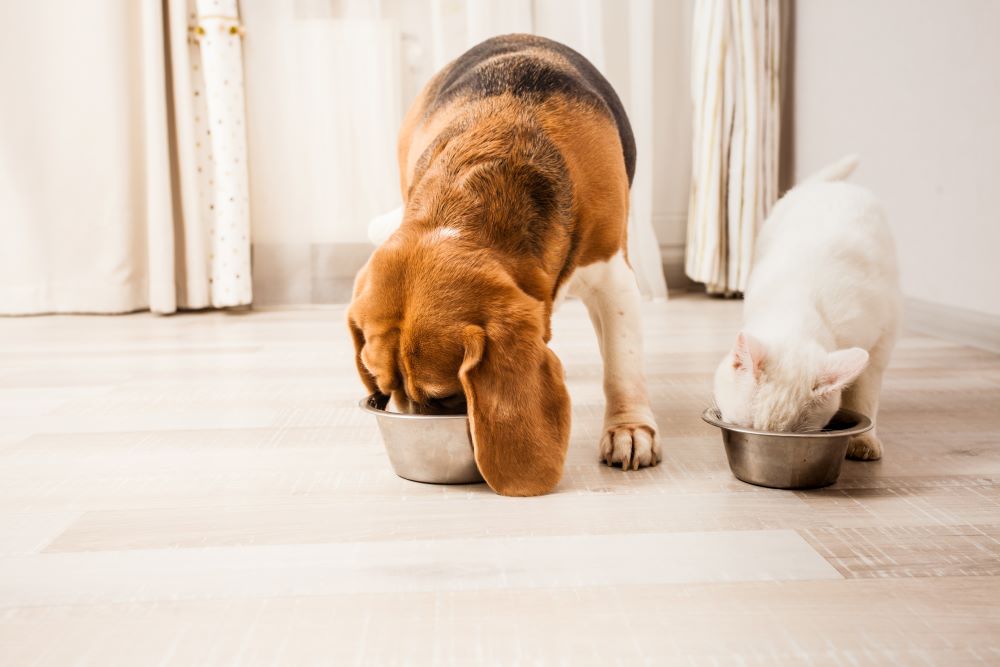
Commandeer Separate Territories
In the wilds of your living room, establishing a pecking order is as natural as chasing the mailman. Your canines are natural pack animals and will behave as such. If you've noticed Big Boss Barker flexing his muscles at mealtime, it’s time to plot a strategic divide. Set up separate food stations—think crates, different rooms, or even using baby gates as a mini fortress. Not only does this tactic prevent food heists, but it’s also your first move in mastering the mealtime madness. With some clever training, you might just graduate from temporary peacekeeper to full-time harmony hero.Dictate the Chow Down
Got a speedy eater who inhales food faster than you can say "sit"? In the mixed breed rumble of your kitchen, this can spark some serious envy. Craft your own mealtime fiefdom with a custom feeding station that slows down Sir Gulps-a-lot, keeping him focused on his own bowl fortress shielded by visual barriers. This isn’t just about maintaining order; it's about redefining the dining experience.Deploy Slow-Mo Feasting
Rushing through dinner is a recipe for disaster, leading to bellyaches, bloating and a higher chance of upchucking their meal. Slow down the scoffing with these game-changing maneuvers:- Puzzle Feeder Shenanigans – Transform mealtime into a mind-bending challenge with a puzzle feeder that teases their brains as much as their taste buds. It’s a feast that fights boredom and builds brilliance.
- Timed Feeding Tactics – Enter the era of tech-savvy brilliance with a timed feeder. Set the stage for a slow-release food fiesta that keeps them guessing and grazing, controlled right from your smartphone.
While we're on the subject of meals, let's not forget about what's actually in those bowls. Ditch the heat-zapped, nutrient-stripped kibble of yesteryears and switch to our revolutionary cold-pressed dog food. It’s the culinary uprising your dog’s gut has been waiting for—packed with all the juicy goodness that comes from a low-temp love affair. Get ready to unleash a burst of health with every bite, and watch your pack thrive on the good stuff. Join our food revolution and let's bark up the right tree together!

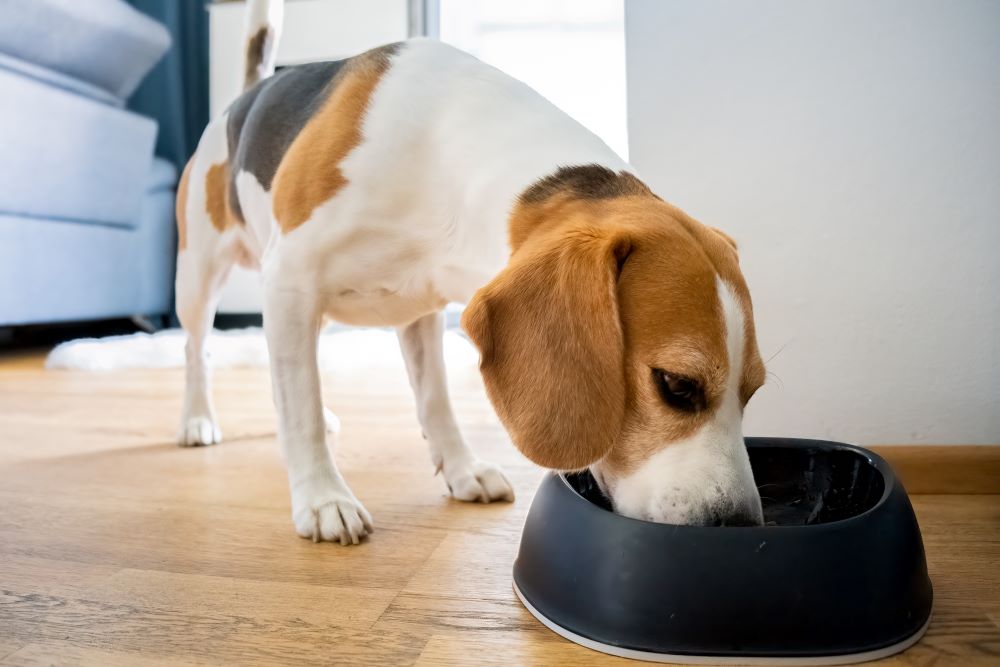
First up, chill out. As long as your furry renegade is chowing down on top-notch healthy dog food and keeping up with his weight, where he decides to park himself for a meal isn’t the end of the world. Still, this quirky habit might bug some dog parents. Although it's totally natural, some would rather their furry pals stick to the bowl for their feasts.
The Pack Instinct Is Strong
Remember, dogs are all about the pack life. Whether they’re gobbling down our revolutionary cold-pressed food or something less inspiring, their pack mentality is hardwired in. This gives us a couple of clues as to why your dog might be dining on the run.The first is all about keeping their food safe. In the wild, pack dynamics play out with top dogs and underdogs, and often, those lower on the totem pole get the leftovers. Even when they score some primo food, there’s always a chance another pack member might hijack their haul.
If your dog is scooting off with their food, they might just be securing it from other four-legged household members. Especially in a multi-dog home, this move is pretty standard—no biggie as long as everyone’s getting their fair share.
Dogs Hate Dining Alone
Ever noticed your dog is like your shadow, trailing you from room to room? That’s the pack instinct kicking in—they hate being alone.If your dog hauls their food to whatever room you're in, they're probably just trying to keep the pack together, even at mealtime. They want to be where you are, part of the action—or should we say, part of the pack.
Maybe It’s the Bowl
Here’s a weird twist: sometimes, it’s not about the food but the bowl! Some dogs just can’t stand the clang of metal bowls. The noise of their own chomping echoing off the metal might just be too much. To dodge the sound, they grab their grub and sneak to a quieter spot.Perhaps Your Dog Is a Secret Saver
And get this—some dogs might be tucking away food for later. You might see them carry it off but never see it eaten. Yup, your dog could be channeling their inner wild and stashing snacks for a rainy day. It's an instinct many feral and undomesticated breeds still practice.So, if your dog is a bit of a food rebel, carting their meals to different places before digging in, don’t sweat it. As long as they’re munching enough and staying healthy, it’s all cool. But if this habit grinds your gears enough that you want to steer it back on track, consider the hacks we’ve laid out here. Just make sure your four-legged revolutionary continues to feast on enough healthy grub.