


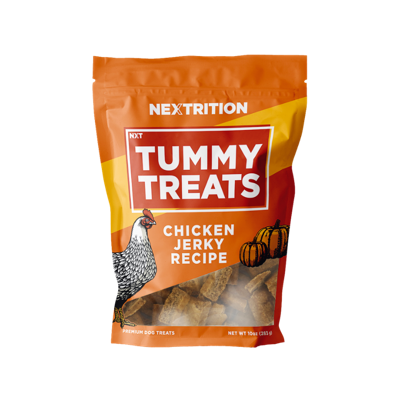
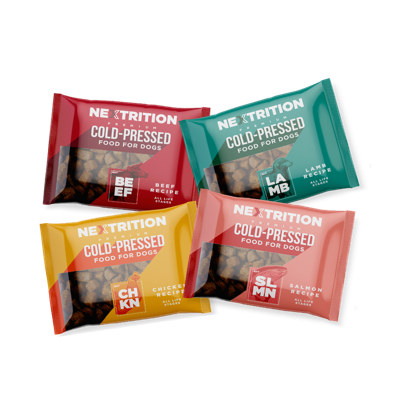
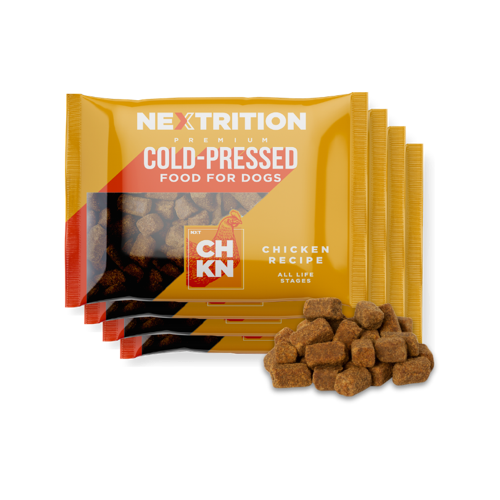
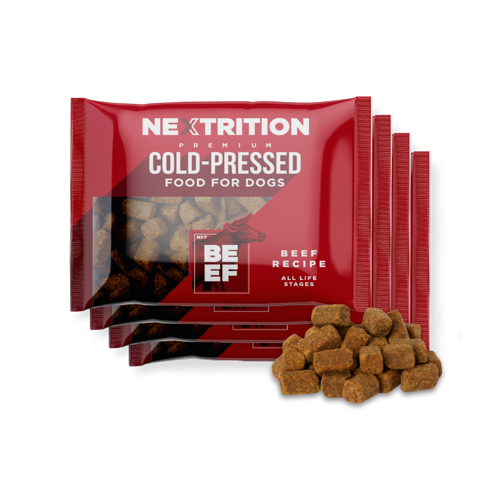
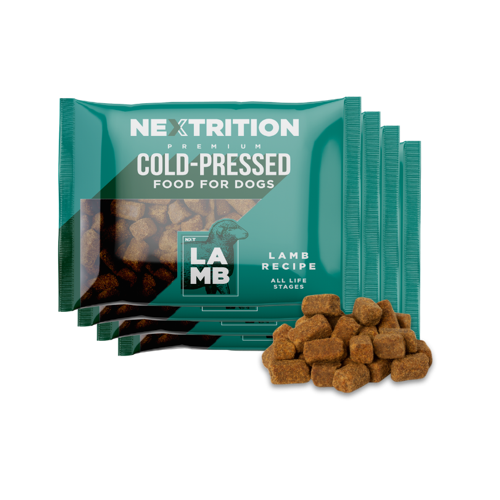
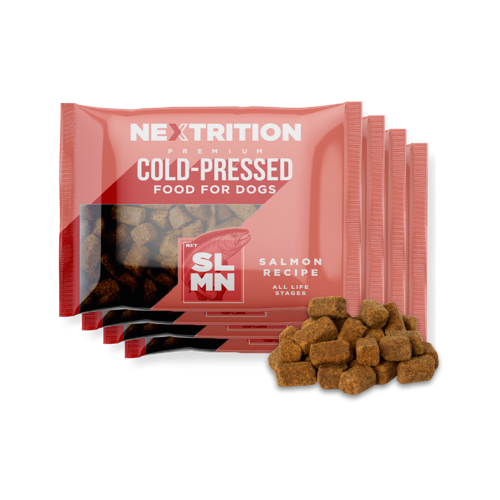
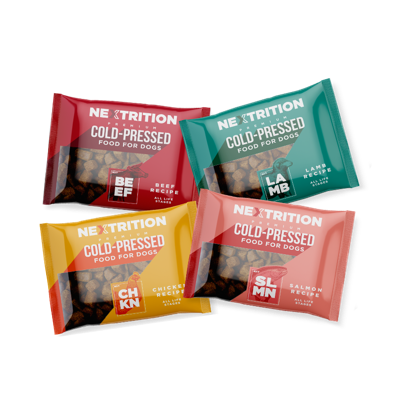

When your dog’s dinner routine goes off the rails due to allergies or food sensitivities, you’re not just dealing with a bad day – you could be looking at a long-haul scenario. Much like us humans, these issues in dogs don’t just pack up and leave. The best trick up your sleeve? Finding a food that avoids allergy triggers for your dog - a hypoallergenic diet.
What’s the Scoop on Hypoallergenic Grub?
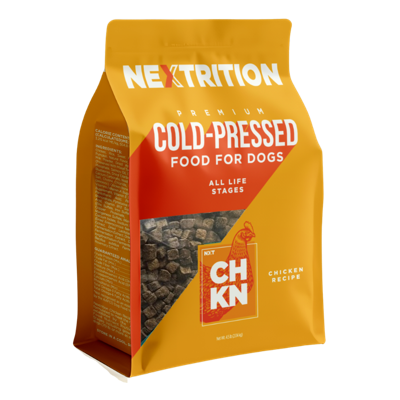
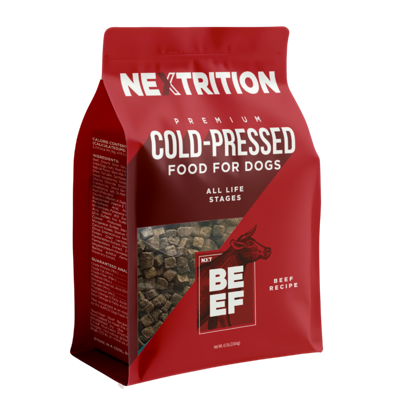
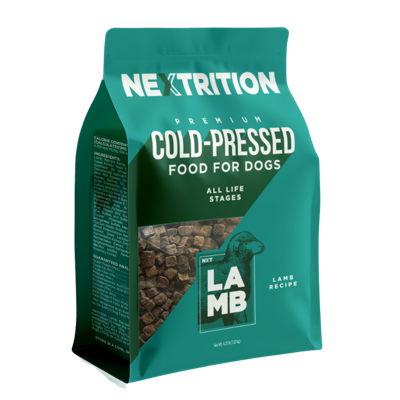
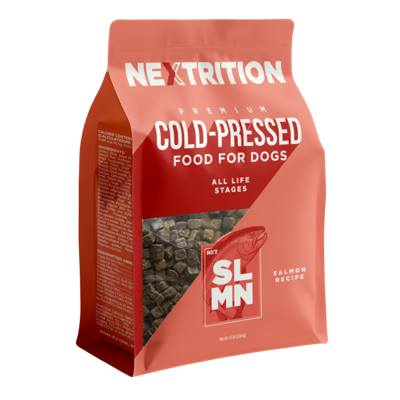
If you’re jazzed about hypoallergenic dog food soothing your dog's allergies or sensitivities, awesome. But if you’re hungry for the nitty-gritty, stick with me. This stuff is the James Bond of dog food, slipping under the radar of your dog’s immune defenses.Companies like Nextrition are crafty, steering clear of the usual suspects such as corn, wheat and soy that can send your dog’s system into a tailspin. They also offer a variety of recipes so you can find one that avoids other less-common triggers such as chicken, eggs, potatoes and peas.
If you’ve tried the route of finding food without your pet’s known trigger ingredients and your furry pal is still not perking up, there might be another mischief maker at play.
Allergies vs. Sensitivities: What’s Bugging Your Dog?
Let's clear the air: allergies are an all-out immune system rebellion against ingredients it deems sketchy, unleashing chaos like hives, itching, and the dreaded barf and bathroom brigade. Food sensitivities? They’re more about your dog’s belly giving the thumbs down to certain foods, leading to party crashers like gas and bloating.FYI, sensitivities are more common than allergies in dogs. If you’re puzzled over which one is the villain, your vet can play detective to help figure it out. Either way, a hypoallergenic food for your dog might just be your sidekick in soothing your pup’s woes.
Key Intel on Hypoallergenic Dog Food
Before you switch up your dog’s menu, have a pow-wow with your vet. They’ll need to rule out any other health snags that might be complicating your dog’s saga.Remember, a hypoallergenic dog food isn’t a silver bullet—it’s more like a stealthy move in your game plan. It’s all about identifying and dodging the ingredients that mess with your dog. And hey, every dog is different. A Nextrition feast might be a hit for some but a miss for others. You might need to test a few brands to find the crown jewel for your furry monarch.
There you have it—your crash course in hypoallergenic dog food. Ready to try Nextrition for your allergy-prone sidekick? Jump into the fray and let your dog taste-test our nutritious cold-pressed dog food!

Doggos love treats. We can use this to train them to respond to our cues. But what if a dog is not treat-motivated? How do we effectively train them when they’re not responding to this powerful incentive?
The answer lies in understanding your furry friend's unique preferences. This includes finding alternative positive reinforcement techniques and adjusting the training approach accordingly. However, before we delve into these strategies, we must understand why your dog avoids his usual treats.

8 Key Reasons Why Your Dog Is Not Food Motivated
Below are some of the most common reasons your dog might not respond to treats:
1. Health Issues
Many health conditions, such as dental or digestive issues, can affect your dog’s appetite. The pain and discomfort that come along with these health problems can make it difficult for your dog to eat and enjoy their meal. This also can have them avoid treats.
In such situations, you’ll probably notice that your dog exhibits other symptoms, such as lethargy, irregular bowel movements, weight loss, and changes in behavior.
If you suspect your dog's decreased appetite is due to an underlying health condition, it's advisable to take them to a veterinarian immediately.
2. Stress or Anxiety
When dogs experience stress or anxiety, they can become more concerned about their safety. As a result, they often lose interest in eating or training. Therefore, it becomes crucial to first identify the cause of your dog’s stress, which can include anything from loud noises to environmental changes.
Address these stressors and attempt to create a safe and calm training environment to help motivate your dog to respond.
3. Taste Aversion
Sometimes, your dog isn’t responding to treats simply because they don’t like the taste of the treats you’re offering. You may need to keep switching to different treats and observe how your dog reacts to find their favorite treats.
If you have been offering the same treat to your dogs for a long time and they seem less motivated now, the reason can be boredom. It could mean that your dog is bored with the taste of the same treat you have been offering them. The solution is simple: experiment with different textures and flavors of treats to reignite their enthusiasm.
4. They Are Full
A dog might not respond to treats if they’re already well-fed. This usually occurs when their training sessions don’t align with their natural feeding schedule, or they’re offered treats immediately after meals. In such cases, you may want to adjust the timing of the training sessions and ensure your dog has a healthy, well-balanced diet.
5. Misusing Treats
Misusing or overusing treats can reduce their appeal to dogs. For example, if you’re using treats to lure your dog into doing a lot of daily activities like sitting or walking, then your dog might start to associate treats with routine tasks, which reduces their value as a special reward.
If dogs think treats are a regular part of their routine, it could make them less motivated to respond when used as training rewards.
6. External Distractions:
Not all dogs share the same attention span, and especially puppies are known for their shorter attention spans. They’re easily distracted by their environment, which is filled with various sights, sounds, and smells.
Therefore, choosing a quiet and distraction-free setting for training sessions can be better to help them maintain their focus.
7. Negative Association
Dogs can be negatively associated with many daily tasks, including bathing, brushing, or nail trimming. If you have ever used treats to trick them into doing these activities, they might think the same treats are traps. They may develop a negative context with the treats, resulting in them not responding to them altogether.
8. Dog Breed
How a dog will respond to treats when training can vary depending on its breed. For example, breeds like Labradors and beagles are usually highly motivated and respond well to treats. On the other hand, terriers, herders, and guardians breed dogs tend to be less food-motivated. For these breeds, you’ll likely have to find alternative methods for training.

7 Excellent Ways To Help Dogs Become More Food Motivated
Here are a few things you can do when your dog isn’t treat-motivated:
1. Explore Alternatives
You don’t have to limit yourself to treat rewards while training your dog. You can also use non-food rewards and positive reinforcement techniques to engage them during training. It all comes down to your dog's preferences and understanding what motivates them.
Some of the most common alternatives you can use while training your dog include
- their favorite toys as a reward
- cheerful and enthusiastic tone for verbal praises
- physical touch like petting, scratching, or cuddling
- interactive games like tug-of-war or hide-and-seek
- access to their favorite activities like running in the backyard, car rides, or splashing in a sprinkler
2. Use High-Value Treats
If treats become a regular part of a dog’s daily routine, they might lose their appeal and motivation during training sessions. You can address this by getting different high-value treats reserved exclusively for training. This may help keep the treats unique and ensure their effectiveness as rewards during training sessions.
3. Adjust the Training Time
The timing of the training session may also affect its success or failure. For example, if you train your dog after their meal time, they could have low energy levels and be less motivated to respond to treats. You can adjust the training sessions to work around your dog’s meal times and other routine habits.
4. Adjust the Training Environment
Dogs can be distracted easily and even experience stress by the slightest change in their environment or any unfamiliar object. Thus, it’s essential to choose their training location wisely.
It is ideal for the space to be safe, calm, and familiar so your dog doesn’t feel anxious or stressed. It should also be free of distractions so they can focus on the training session and respond to your cues appropriately.
5. Make it a Routine
Establish a proper routine for your dog to promote a positive response. Choose specific times and spaces for training sessions each day. Use consistent commands and cues to avoid confusion.
Remember that this predictability will help your dog thrive in training and reduce stress and distractions.
6. Simplify The Training
There’s a chance your dog might feel overwhelmed by the training session. It can make them less likely to respond to treats and your commands. You should consider adding positive reinforcement to make your dogs feel more confident.
7. Consult a Vet
If you have tried everything to motivate your dog and nothing seems to work, then you may want to consult a professional. A veterinarian or animal behaviorist can help you understand your dog’s behavior and why they aren’t responding to treats during the training.
They can even help you diagnose any underlying health problem that may impact your dog's behavior.
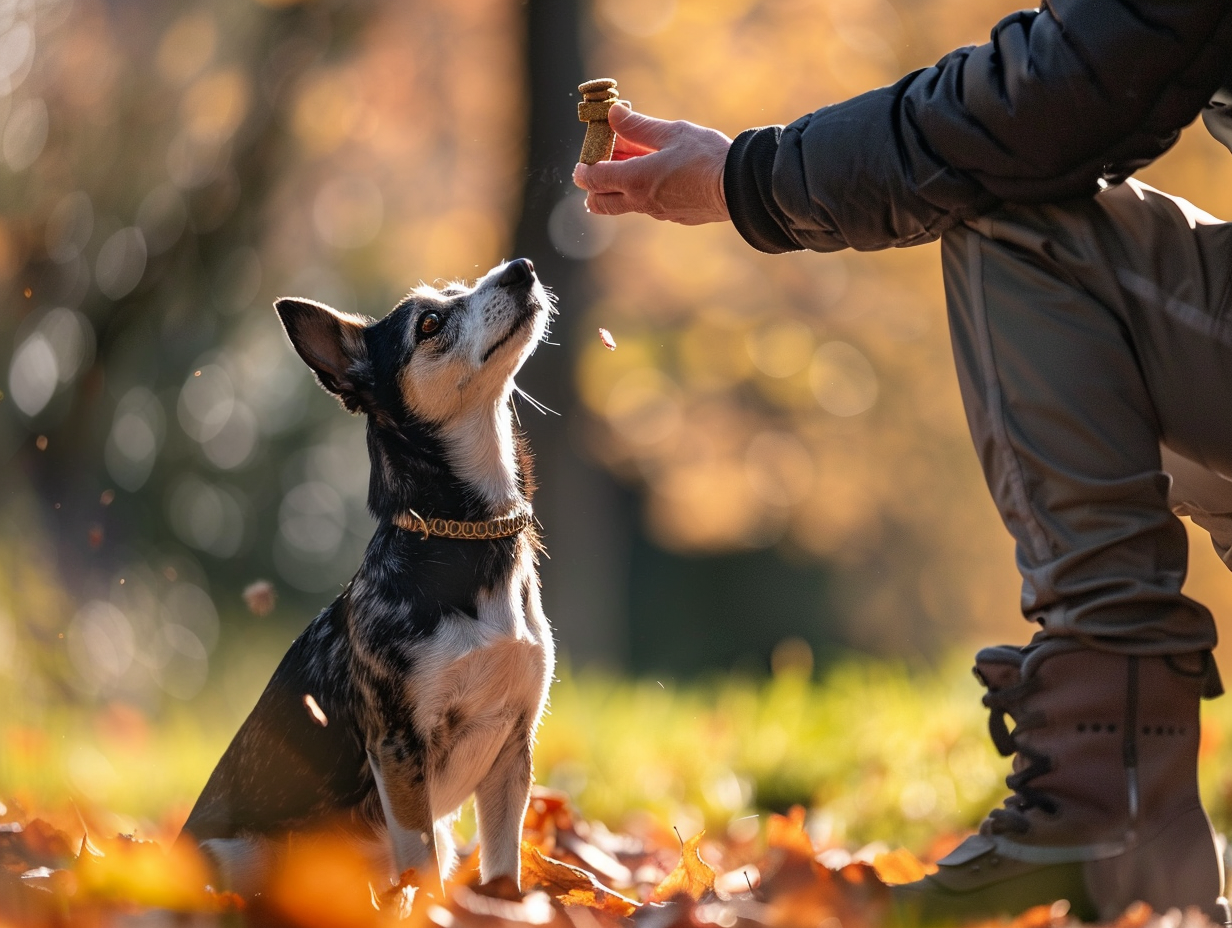
Things to Avoid When a Dog Isn’t Food Motivated
When your dog isn't treat-motivated, it's essential to avoid certain pitfalls, such as:
- Avoid being overly assertive during training sessions.
Don’t force your dog to eat their treats. - Don't insist on long training sessions, which can make your dog lose interest.
- Avoid scolding or displaying any form of frustration when your dog doesn't respond to commands or treats.
- Instead of relying only on treats, introduce a variety of rewards, including praise and toys.
- Don’t neglect mental stimulation in your dog’s routine. Ensure you’re engaging them in activities that challenge their mind during training.
Summing Up: How to Train a Dog That is Not Treat Motivated?
It’s often challenging to train a dog that isn’t treat-motivated. However, the most important thing is first to determine the underlying cause of why the dog isn’t responding to the reward treats. If it’s caused by a health problem, stress, or anxiety, you can seek professional help from a veterinarian.
In other situations, you can change your training approach and try different alternatives to understand what motivates your dog. You can adjust the training time and environment or incorporate high-value treats to see how your dog responds.
If the problem persists, we recommend you consult a veterinarian or animal behaviorist to understand why your dog isn’t treat-motivated.
FAQs
Let’s answer some frequently asked questions about training a dog that isn’t food-motivated:
1. How to train a non-food-motivated dog?
When training a non-food-motivated dog, you should understand the underlying reasons for their lack of interest in treats. If it’s caused by a health problem, stress, or anxiety, you can seek professional help from a veterinarian.
You can also change your training approach and try alternatives like their favorite toys and verbal praises. You can adjust the training time and environment or incorporate high-value treats to understand your dog’s preferences.
2. Why is my dog not treat-motivated?
There can be various reasons why a dog is not treat-motivated. It can include health issues (like dental problems and digestive discomfort), stress, taste aversion, satiety, external distractions, or a history of negative associations with the same treats.
Individual preferences and breed characteristics can also play a role in some dogs feeling less motivated by treats.
3. What kind of health issues can make a dog non-food motivated?
Several health problems can make a dog non-food-motivated. For example, dental issues such as tooth decay can cause pain and discomfort while eating. Even digestive issues can lead to nausea and discomfort, which affects that appetite.
In such cases, it’s essential to consult a veterinarian to identify and treat the underlying health concern.
4. Can I make my dog treat motivated?
Yes, specific strategies can be implemented to help motivate dog food. You can start by incorporating high-value treats reserved exclusively for training. Setting a proper routine and choosing specific times and space for daily training sessions is also essential.
Also, ensure the training environment is safe, calm, and distraction-free. It’ll help your dog feel less stressed and more motivated during the training session.
However, if the problem persists, we recommend you consult a veterinarian or animal behaviorist to understand why your dog isn’t treat-motivated.
Reference: https://outwardhound.com/furtropolis/pet-parenting/how-to-train-a-dog-that-is-not-food-motivated


Pet owners usually take note of the ‘best before’ date printed on the dry dog food label. However, do you know that the actual shelf life of the food can vary depending on your storage solution?
You heard that right! Properly storing your dog’s food is essential to maintain its quality, safety, and nutritional value. This statement raises many concerns, especially “What’s the best way of storing dry dog food?” and “How long can dry dog food sit out?”
In this article, we’ll answer all these questions and guide you through adequately storing your dog food to increase its shelf life.
What's The Shelf Life of Dry Dog Food?
Most
dry dog food has a long shelf life, but exposure to air, moisture, and temperature fluctuations can accelerate its degradation. If you leave some kibble in your dog’s bowl, it can become rancid quickly.
Ideally, the food should be consumed in a bowl immediately. However, if you have accidentally left some food out, you should be safe to feed it to your dog within 24 hours.
Also note that the 24-hour time limit depends on various factors, such as the food's ingredients and the area's temperature and conditions. Depending on the conditions, food can stay out for a shorter or longer time than 24 hours.
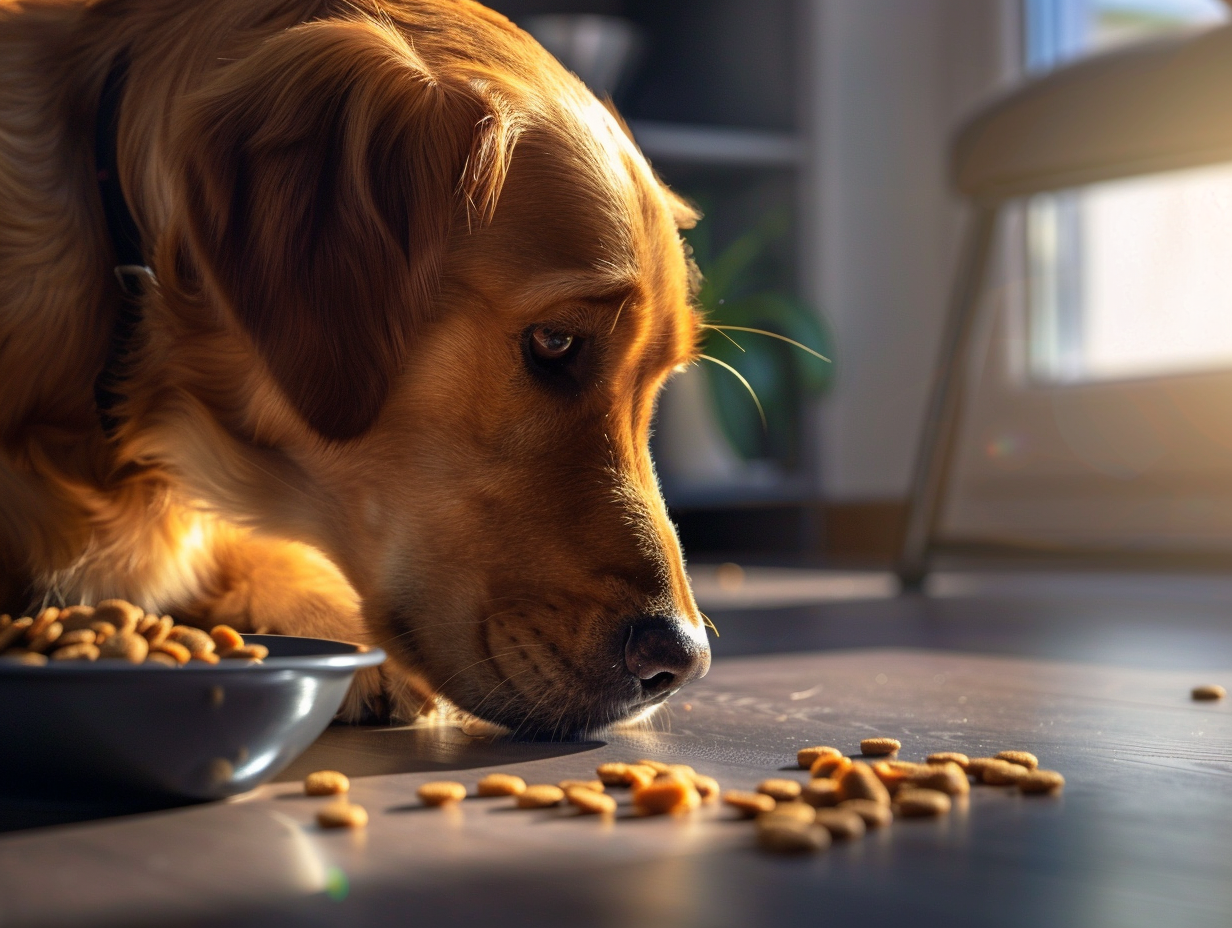
5 Key Ways to Tell When The Dry Dog Food Has Gone Bad
Look out for the following signs if you’re unsure about whether the dry food is safe for your dog:
1. Smell
If you have been buying dog food for a long time, you’ll probably recognize its smell. Therefore, when the food goes bad, you should be able to tell by how the scent changes and becomes unpleasant.
2. Texture
Kibble loses its crunchy texture when it becomes stale. It will often turn soft and can crumble when touched.
3. Mold
Stale kibble can become moist, and moisture attracts mold. Mold can appear in white, gray, or green patches and poses a health risk for your dog.
4. Pests
Pests like ants, rats, and roaches love dog food. If left in the open, it can attract these insects and lead to a potential infestation.
5. Your Dog’s Reaction
Does your dog love his kibble but is suddenly turning up his nose to the food bowl? This could be a sign that there’s something wrong with the food.
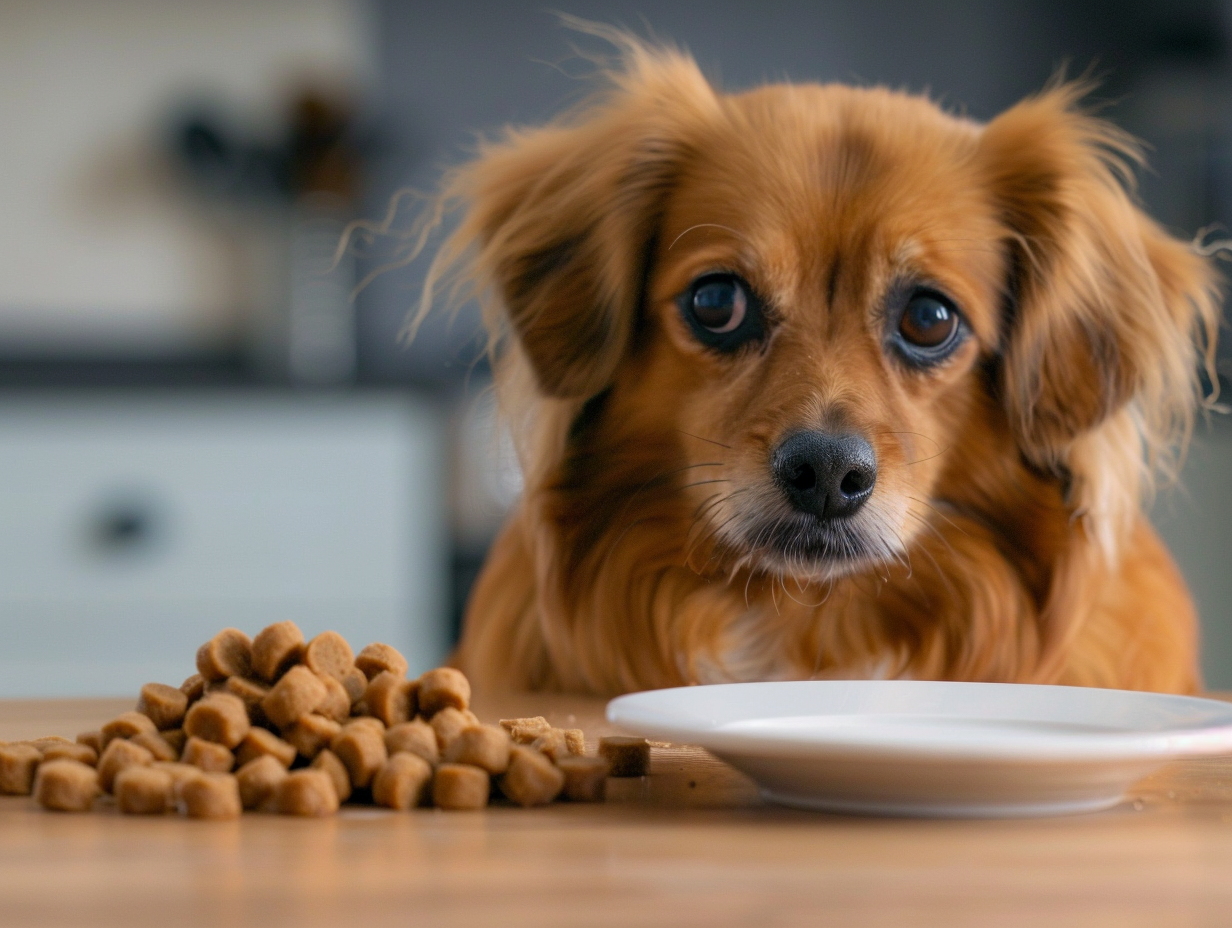
7 Excellent Ways To Store Dry Dog Food
Below are seven ways in which you can adequately store your dog food to extend its shelf life:
1. Keep the Original Packaging
High-quality dog food comes in packaging designed to keep it fresh for a longer period of time. However, this can get messy, especially if the food doesn’t come in resealable plastic bags. Thus, the best option is to keep the food in its original packaging and put that packet in another airtight container. It’ll provide a double layer of protection.
2. Use Airtight Container
Airtight packaging protects the food against external elements such as moisture, air, and pests. That’s why it’s recommended always to store dry dog food in an airtight container to preserve its freshness.
3. Wash the Container Regularly
Pet owners often refill the storage container when the pet food runs low. Remember to wash the container, especially when the food is stored in the original packaging. You should clean the container regularly, even though it may not be in direct contact with the food. It’ll help maintain proper hygiene and cleanliness.
Also, after washing the container, ensure it’s properly dry before putting the dog food pack back inside.
4. Avoid Heat & Direct Sunlight
Dry dog food should be stored in a cool and dry place. It’s crucial because when the food is exposed to direct sunlight or heat, it will start to lose its essential nutrients and can become rancid. It can also lead to temperature fluctuations, creating a moisture-prone environment that promotes mold and bacteria growth. How your food is made affects this too — our comparison of cold-pressed dog food versus conventional kibble explains why gentler, lower-heat processing preserves more of those nutrients in the first place.
5. Follow the Manufacturer's Guidelines
Depending on your dog’s food ingredients, there can be different storage instructions. Therefore, it’s essential to read the food label properly and follow all the instructions given by the manufacturer.

Summing Up
Dry dog food left out should be consumed within 24 hours. Food that has been out for more than the recommended time should be discarded to ensure your dog’s safety. Additionally, it’s recommended that you properly store your dog’s dry food to maintain its freshness and nutritional integrity.
It is ideal to keep the food in its original packaging and the packet in an airtight container. Furthermore, the container must avoid heat, moisture, and direct sunlight. These simple practices will help extend the shelf life of your dog’s food and promote its overall well-being. If you're looking for a fresh, high-quality option to start with, our
cold-pressed trial packs are an easy way to try a recipe before buying a full bag.
FAQs
Let’s answer some frequently asked questions about storing dry dog food:
1. How long can dog food sit out?
Ideally, the food should be consumed in a bowl immediately. However, if you have accidentally left some food out, you should be safe to feed it to your dog within 24 hours.
Also note that the 24-hour time limit depends on various factors, such as the food's ingredients and the area's temperature and conditions. Depending on the conditions, food can stay out for a shorter or longer time than 24 hours.
To be safe, discarding any food that has been sitting out for more than 24 hours is recommended.
2. Does dry dog food go bad if left out?
Yes, dry dog food can go wrong if left out for a prolonged period. When the food comes in contact with air, moisture, and heat, it can lose essential nutrients and become rancid.
3. How long does dry dog food stay fresh?
It depends on various factors, such as the ingredients in your dog food and the temperature conditions in the area. Ideally, you should avoid feeding your dog any food left out for more than 24 hours.
Reference: https://www.petmd.com/blogs/nutritionnuggets/jcoates/2012/apr/how_to_keep_dog_food_fresh-13975
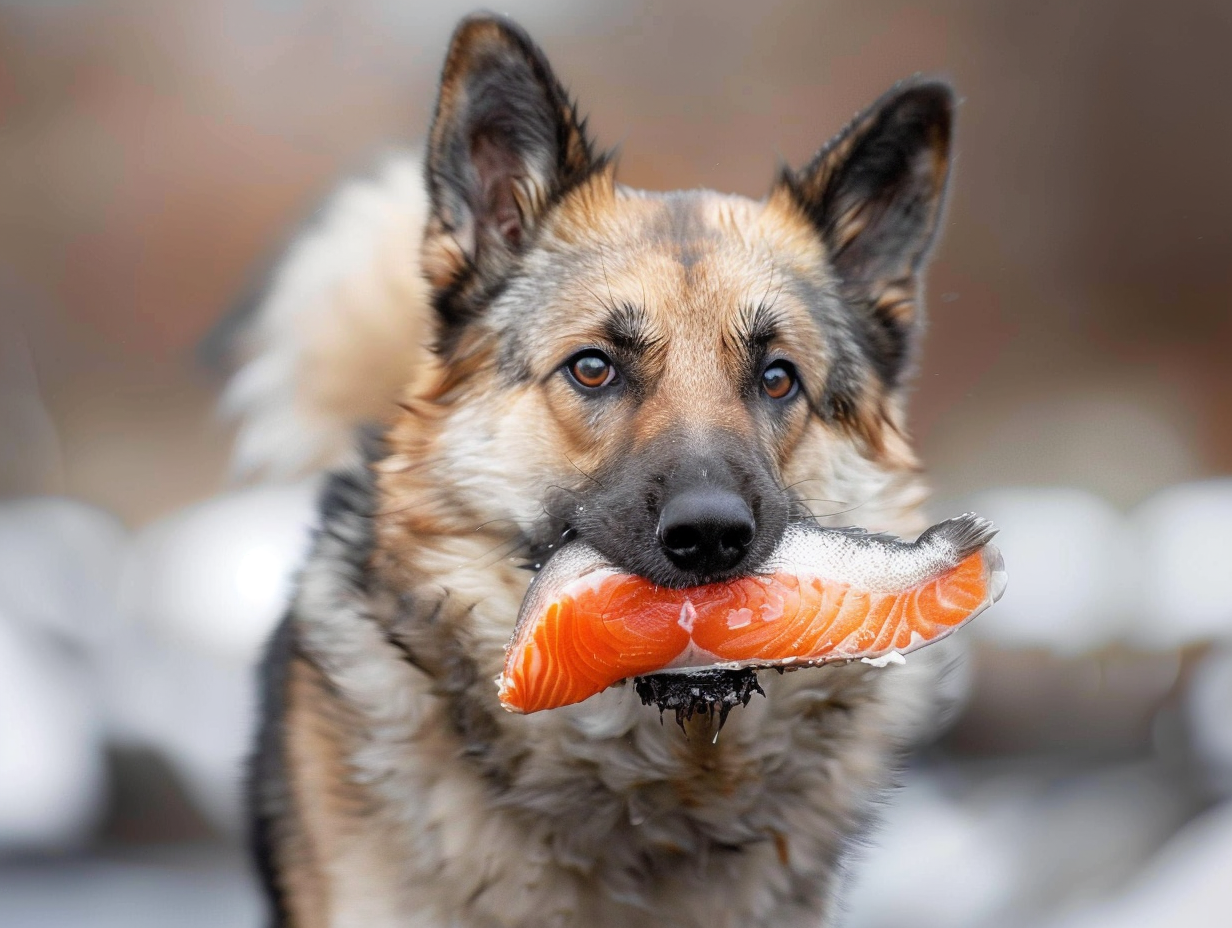
When the ingredients list says “salmon,” we know it contains nutritious and flavorful fish, but what if it says “salmon meal?” What does that mean? These two terms sound similar, but there are some distinctions.
This article should unravel the mystery behind "salmon meal" by exploring its composition and benefits. We’ll also discuss whether it is a safe and valuable addition to your dog's diet.
Let's dive right in.
What is Salmon Meal?
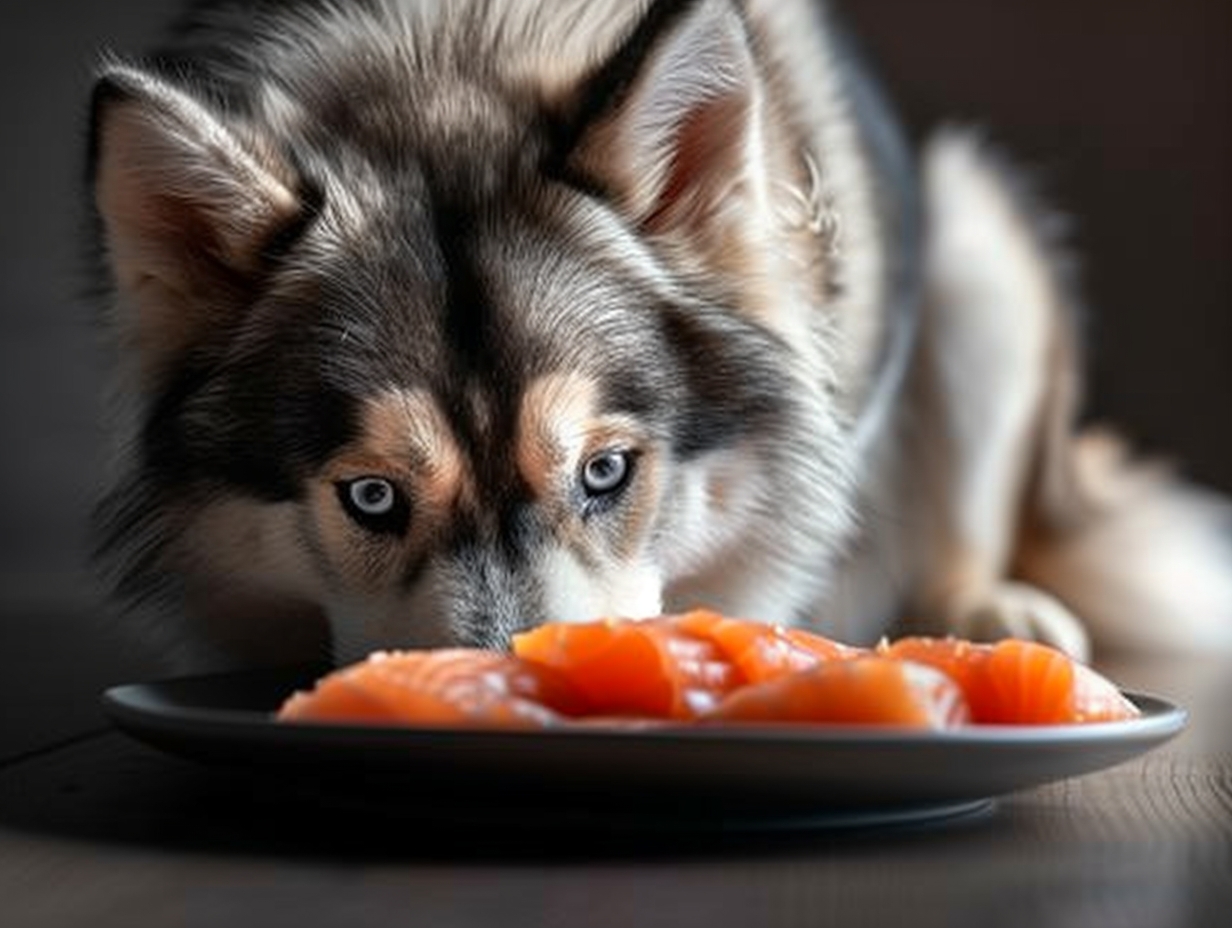
Salmon meal is made by cooking salmon (including the meat, some skin, and bones) with high heat to remove all the moisture and water content. This process, called rendering, creates a highly concentrated and protein-rich product.
Health Benefits of Salmon Meal
Salmon meal and salmon have a similar nutritional value but some of the natural nutrients with salmon meal are burned off during the rendering process. The result is a processed, protein-rich ingredient that can help add some health benefits to a complete diet, but shouldn’t be the primary source of protein in your dog's daily diet.
Apart from that, you can expect the following health benefits from adding salmon meal to your dog's diet:
1. Improved Skin & Coat Health
Salmon meal is a rich source of omega-3 fatty acids that can positively affect your dog’s overall health. It can help give your dog healthy skin and a lustrous coat by reducing inflammation and skin allergies.
Additionally, these fatty acids can also have nourishing effects on the hair follicles, which helps reduce shedding.
2. Reduced Inflammation
Salmon meal offers anti-inflammatory properties that can reduce inflammation in your dog’s body. It is especially beneficial for older dogs who may be more prone to inflammatory conditions such as arthritis or joint stiffness.
Furthermore, it can help prevent various other health complications, such as cardiovascular, gastrointestinal, respiratory, and autoimmune diseases.
3. Supports Muscle Development
Salmon meal is a concentrated source of protein. It contains all the essential amino acids that dogs need for various bodily functions, primarily muscle development. It also supports energy metabolism, immune function, and the repair and regeneration of multiple tissues.
Moreover, the protein in salmon meal is easily digestible, so your dog's body will easily absorb it.
4. Boosts Overall Well-Being
After the rendering process, salmon meal still contains some essential nutrients, including vitamin A and B vitamins, phosphorus, potassium, magnesium, and calcium. These nutrients are vital for bone health, energy metabolism, and immune system function.
In short, they help support your dog's overall well-being and promote a happy and healthy life.

Summing Up: What is Salmon Meal in Dog Food?
Salmon meal is a popular ingredient in dog food. It is processed into a concentrated form that will burn off some of the natural nutrients but many remain to help provide health benefits, from improved skin and coat health to reduced inflammation.
However, as with any dietary changes, we recommend you consult a veterinarian to understand your dog’s nutritional requirements and how salmon meal will support their health.
If you already know that your pup will love salmon flavored dog food, we have a super gut-friendly, cold-pressed salmon dog food available for single purchases and subscriptions.
FAQs
Let’s answer some frequently asked questions about salmon meal:
1. What is a salmon meal in dog food?
Salmon meal is made by cooking salmon (including the meat, some skin and bones) with high heat to remove all the moisture and water content. This process, known as rendering, creates a highly concentrated and protein-rich product.
2. Is salmon meal good for dogs?
Salmon meal is considered safe for dogs to eat. It has a similar nutritional value as salmon but some of the natural nutrients in salmon meal are burned off during the rendering process. The result is a processed, protein-rich ingredient that can help add some health benefits to a complete diet, but shouldn’t be the primary source of protein in your dog's daily diet.
Reference: https://petkeen.com/what-is-salmon-meal-in-dog-food/


Beef, lamb, liver, fish, eggs, leafy greens, and legumes are all good sources of iron for dogs. Many of these ingredients can be found in high-quality cold-pressed dog foods and carefully formulated raw diets.
Iron is an essential nutrient for dogs. It plays a vital role in various bodily functions, from transporting oxygen in the blood to supporting the immune system. That’s why your dog’s diet should have a healthy amount of iron-rich foods.
Luckily, many delicious food options are safe to incorporate into your dog's diet. Below, we have listed seven foods that are a rich source of iron:
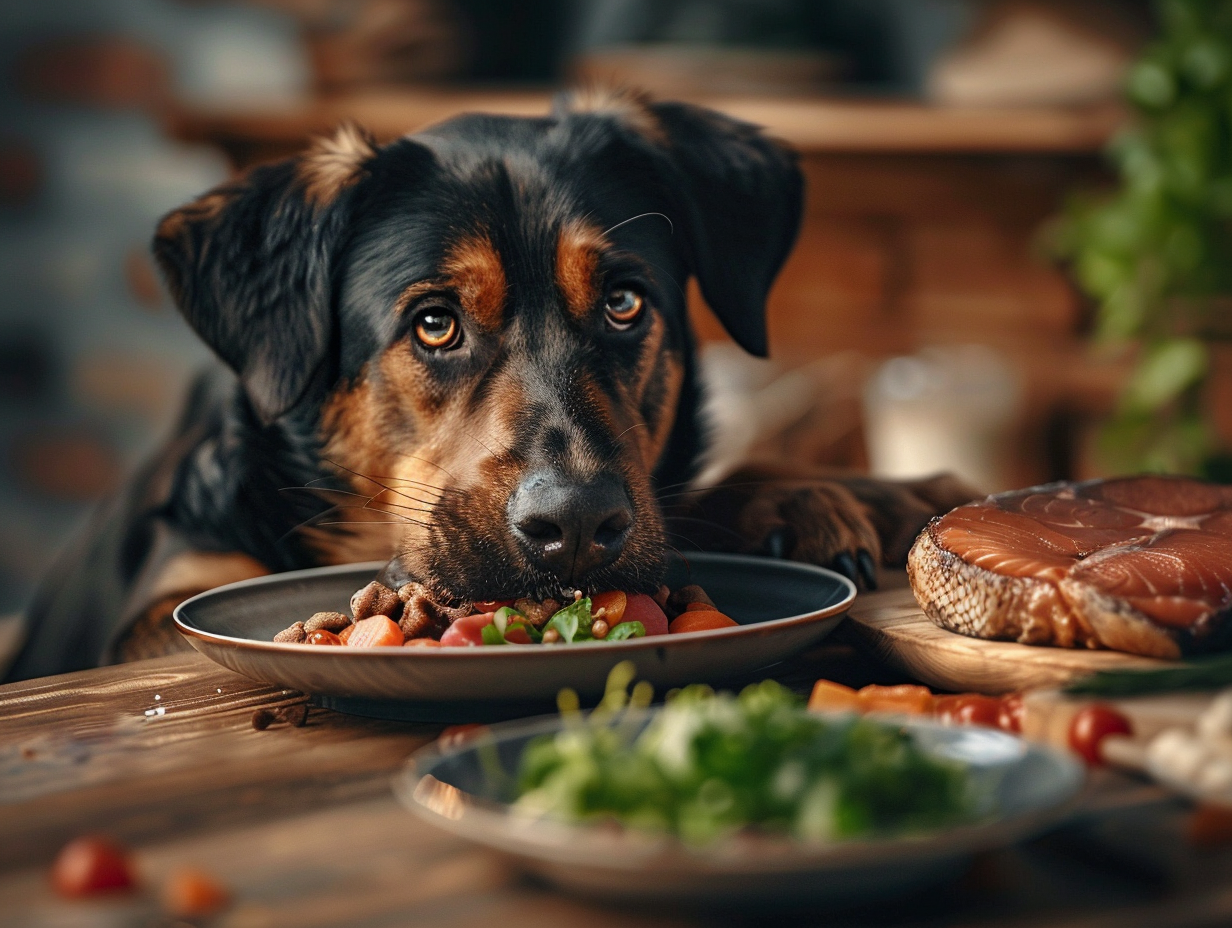
1. Organ Meat
Organ meat, especially the liver and kidneys, contains a lot of iron. These animal tissues have significant amounts of iron which is easily absorbed by the dog’s body. Additionally, these organs are an excellent source of other nutrients, including vitamins A, B, copper, and zinc.
You can easily add organ meat to your dog’s diet by serving it raw or preferably cooked (to eliminate potentially harmful bacteria). Just chop or dice the meat into small bite-sized pieces and then mix those in with their regular food to elevate the nutritional content of their meals.
2. Fish
Many varieties of fish, including tuna, sardines, and salmon, are also good sources of iron. They also offer other essential nutrients such as omega-3 fatty acids, high-quality protein, and various vitamins and minerals.
Including a fish in your dog's diet can help provide them with a well-rounded nutritional profile, which will help improve their skin and coat health, cognitive function, immune response, and much more.
3. Lean Meat
Lean cuts of beef, chicken, and turkey are good sources of iron. These meats provide iron, high-quality protein, amino acids, vitamins, and minerals. Due to their savory taste, texture, and aroma, lean meat will also appeal to your dog's instincts. However, offering your dog cooked lean meat is best to avoid the risk of bacterial contamination. If you'd rather skip the prep, our cold-pressed beef recipe delivers that same lean red meat in a complete, balanced meal.
4. Leafy Green Vegetables
Green leafy vegetables, such as kale and spinach, are excellent plant-based sources of iron. Although they contain non-heme iron, they’re also packed with vitamin C, which can significantly boost iron absorption in your dog’s body.
It’s also better to cook these vegetables for better digestion and nutrient absorption. If your dog is a picky eater, you can make a broth or a smoothie using these ingredients.
5. Legumes
Legumes, such as lentils, chickpeas, and beans, are also good plant-based sources of iron. They can be a great addition to your dog’s diet, providing iron and high-quality protein, fiber, and essential nutrients.
Soak and cook legumes before feeding them to your dog, or buy canned ones with dog-friendly ingredients.
6. Egg Yolk
Even though egg yolks contain a relatively modest amount of iron compared to other animal-based sources, they’re still an excellent option to add to your dog’s diet. Egg yolks are a well-rounded source of protein, iron, and many other vitamins and minerals.
You need to be careful about how you feed eggs to your dog. Many veterinarians advise against serving raw eggs to dogs as they might contain bacteria such as salmonella and e. Coli. Also, raw egg whites have an enzyme called avidin, which is harmful to dogs when eaten in large amounts.
The best option is to feed your dog a soft-boiled or fried egg (without seasoning) as an occasional treat.
7. Pumpkin Seeds
These tiny but mighty seeds are a rich source of iron and packed with other essential nutrients, including zinc, magnesium, and healthy fats. However, it is advised to avoid feeding your dog pumpkin seeds directly because they could pose a choking hazard. Instead, consider grounding a few pumpkin seeds and sprinkling the powder over your dog's regular meals.
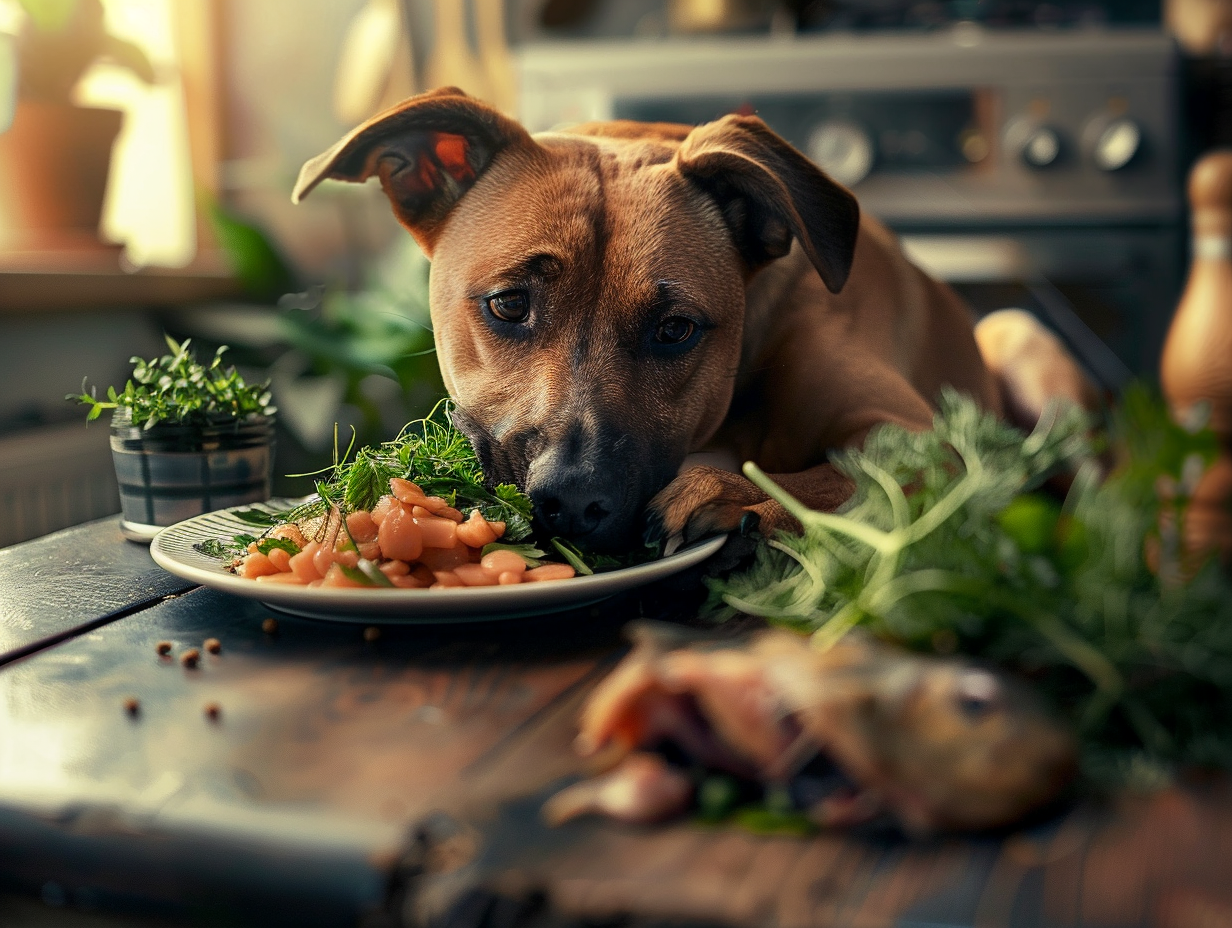
How Much Iron Does a Dog Need?
An adult dog needs 0.5 milligrams of iron per kilogram of body weight every day. However, this requirement can change depending on a dog's health condition, age, weight, and breed. That’s why it's crucial to consult with a veterinarian about your dog’s requirements and ensure it receives the right amount of iron and other essential nutrients. Most complete and balanced dog food will contain some iron, although it may not be listed on the packaging. Brands will usually share the amount of iron within certain recipes if asked. At Nextrition, we strive for full transparency when it comes to what's in your pup's meals, so you can always trust you're getting the highest quality ingredients. You can also explore our
iron-rich dog food to find a recipe suited to your dog's needs.
Avoid feeding your dog too much iron-rich food because this can lead to potential health issues, including iron toxicity.
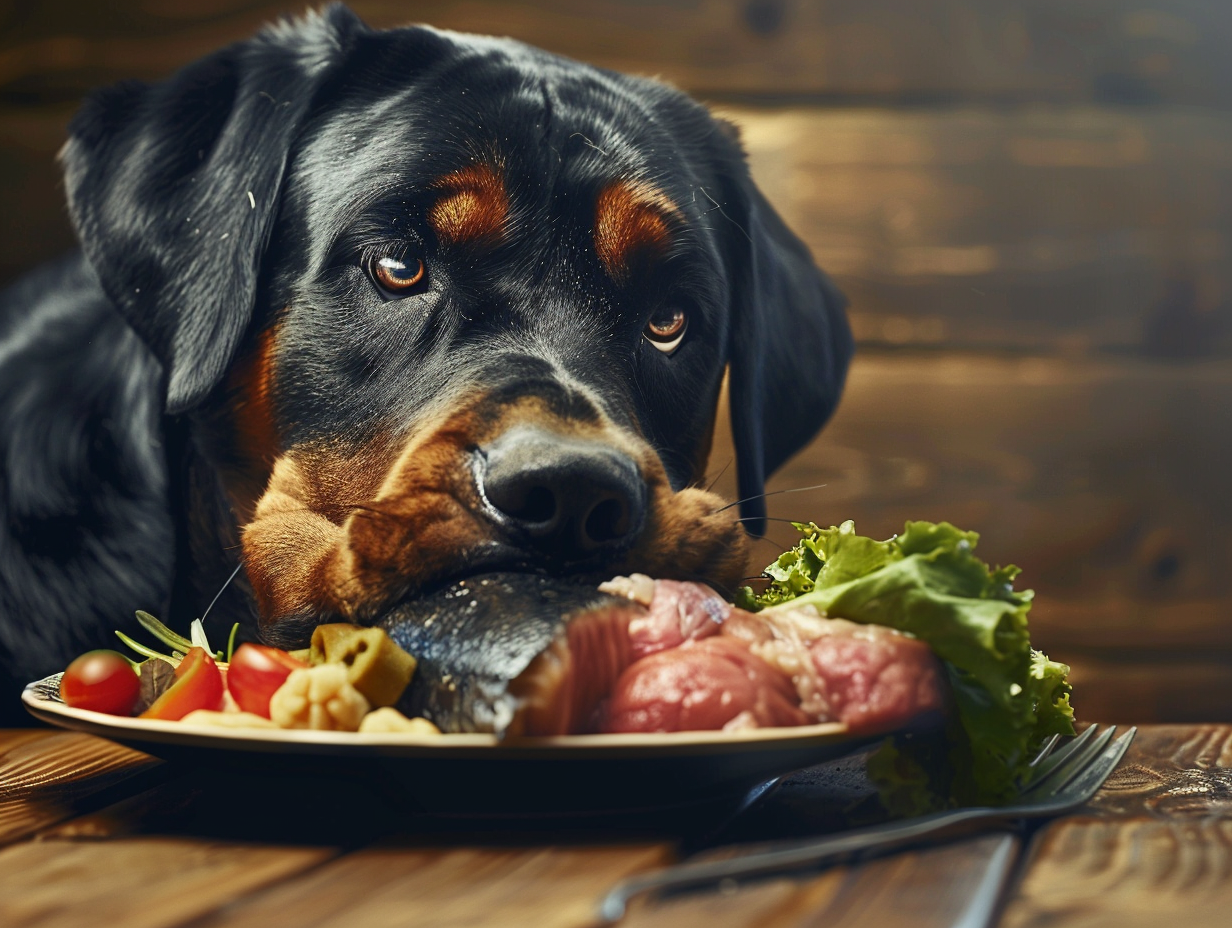
Summing Up: What Foods Are High in Iron for Dogs?
Pet owners should understand their dogs' nutritional requirements and provide healthy, well-balanced meals. If you feel your dog isn’t getting enough iron from their regular diet you can supplement it with other food such as organ meat, lean meat, fish, egg yolk, legumes, green vegetables, and pumpkin seeds. If you'd like to try a complete recipe first, our
cold-pressed trial packs let you test a formula before committing to a full bag.
However, we recommend you consult a veterinarian if you feel like your dog has an iron deficiency. This will help you understand your dog’s unique needs and customize a plan that aligns with your dog's specific health requirements.
FAQs
Let’s answer some frequently asked questions about dog’s nutrition and diet:
1. What foods are high in iron for dogs?
Various foods contain high amounts of iron that are safe to eat if prepared properly. For example, lean cuts of beef, chicken, and turkey, as well as organ meat, are excellent sources of heme iron. Additionally, egg yolks and fish such as tuna, sardines, and salmon can increase your dog's iron intake.
If you prefer a plant-based source of iron, leafy greens such as spinach and kale and legumes such as lentils, chickpeas, beans, and pumpkin seeds are some great options.
2. Does chicken have iron for dogs?
Yes, chicken is a good source of heme iron for dogs. This means that it contains a type of iron that is highly absorbable by your dog’s body. It also delivers high-quality protein and other nutrients that can contribute to your dog’s overall health.
You can give your dog either raw or cooked chicken as part of its balanced diet. However, uncooked chicken can pose a bacterial contamination risk, so you must be careful about handling and hygiene. Cooking the chicken provides a safer option for your dog.
3. Do eggs have iron for dogs?
Yes, egg yolk does contain a relatively modest amount of iron. However, it’s a well-rounded source of protein, iron, and many other vitamins and minerals.
However, you should be careful about how you feed eggs to your dog. It’s best to avoid serving raw eggs to dogs as they might contain bacteria such as salmonella and e. Coli. Also, raw egg whites have an enzyme called avidin, which is harmful to dogs. The best option is to feed your dog a soft-boiled or fried egg (without seasoning) as an occasional treat.
4. How to increase iron in your dog's diet?
You can incorporate iron-rich foods such as lean meats, organ meats, fish, eggs, legumes, leafy vegetables, and pumpkin seeds into your dog's diet. However, if you feel your dog isn’t getting enough iron from its regular diet, it's crucial to consult with your veterinarian. They can help you understand your dog’s nutritional needs and ensure it receives enough iron and other essential nutrients. Pairing those foods with a complete, balanced diet helps too, which is worth keeping in mind when feeding a larger dog that needs steady nutrition day to day.
Reference:
https://wagwalking.com/wellness/iron-for-dogs

The gut is your dog’s food processing HQ. When it’s in top form, every bite of food is broken down to unleash the full spectrum of nutrients. Plus, a healthy gut positively impacts 70% of your pup’s immune system. But flip that scene—a sluggish gut? That’s like tossing premium fuel into a clunker. You lose power, or in your pup’s case, vital nutrients.
Our recipes are crafted with prebiotics, probiotics and postbiotics (yes, a real thing) to vibe with your dog’s natural biology, never against it, ensuring their digestive system is rocking a healthy balance of microorganisms. It’s not just dog food; it’s a belly-boosting revolution.
A Healthy Microbiome: The Unsung Hero
Both canines and humans sport a bustling microbiome, a lively festival of bacteria, viruses, and micro-organisms partying in the digestive tract. When this crowd is diverse and vibing well, your dog is on point health-wise. Our gut-healthy grub is designed with pre, pro and postbiotics along with natural ingredients such as pumpkin to keep that party popping, balancing the good and bad microbes like a skilled DJ.Let’s face it, a bad diet is like a bad DJ—throws everything off. An unbalanced menu can lead to a domino effect of too much or too little of the essential microbes. Result? Your dog might not be feeling their best. They could gain weight, lose it, or even show signs of immune or tummy troubles. Not cool.
But here’s the kicker—it’s easy to keep your dog’s gut in the groove. Start with the right food (hint: like our gut-friendly cold-pressed dog food), and your vet can pitch in with some top-notch advice, too.
Signs Your Dog Might Be Out of Tune
Wondering if your dog's gut is hitting some bum notes? A healthy gut grooves with normal poops, regular bowels, and no belly dramas.If things are off, you might see:
- Bouts of diarrhea
- Lots of flatulence
- Skipping meals
- Skin issues
- Weight dropping off the chart
- A sudden crash in energy levels
Talk With Your Vet – They’re the Real MVPs
If your dog’s gut health is tuning out, it’s time to sync up with your vet. They’re the headliners when it comes to health and can tell if your pup’s issues need more than just a diet remix.In most cases, a gut tune-up with the right chow does the trick. Just like us, dogs are what they eat. Feed them something that not only fills their belly but also fuels their whole body—our gut-healthy dog food is engineered to boost that microbiome for a healthy and happy pup.
So, let’s kick the old, dry kibble to the curb and revolutionize your dog’s diet with our gut-friendly cold-pressed recipes. Order now or join our food revolution with a subscribe and save plan. Fresh, tasty, and delivered right to your door—because your dog deserves nothing less than a bowlful of awesome.


It's well-known that a balanced diet and regular exercise are pivotal for our dogs' happiness and well-being. So, it's understandably worrying when your dog suddenly turns up her nose at her usual food. If you've found yourself in this situation, it's natural to fear that it might be indicative of a serious health issue. A dog's loss of appetite can indeed be concerning, but it's important to approach the situation calmly.
Initial Steps: Don't Panic
If your furry friend is shunning her usual food, the first step is to stay calm. It’s not uncommon for dogs to skip a meal or two. This could simply be due to a minor ailment or a passing mood. However, if this disinterest in food persists for more than 16-18 hours, it’s time to delve a bit deeper.
Observation is Key
Closely observing your dog is essential to determine the root cause of her reluctance to eat. Watch for any signs of illness, such as vomiting or lethargy. These symptoms, coupled with a refusal to eat, could point to underlying health issues, ranging from digestive troubles and dental pain to bacterial infections. In such cases, a vet visit is important.
Exploring Other Possibilities
Yet, it's possible your dog's sudden rejection of food isn't health-related at all. For instance, if you’ve recently switched the recipe or brand of food, this might be the issue. Dogs, much like us, have their preferences when it comes to food textures and flavors. A new brand or even a different recipe within the same brand, like a shift from lamb to chicken in our Nextrition line, could be less appealing to her.Consider these additional factors:
- Picky Eating Habits: Some dogs are notoriously choosy about their food. A minor change in their usual food could trigger a refusal to eat.
- Overindulgence in Table Scraps: Dogs frequently fed with table scraps may develop a preference for them over their regular food. This can lead to picky eating habits and a refusal to eat regular dog food.
- Environmental Stressors: Changes in your dog's environment, like a recent move or a change in family dynamics, can cause stress and affect her appetite.
Consult a Professional
When in doubt, your vet is a great resource. They can provide tailored advice and insights into your dog's health and dietary needs. If all else fails and you're looking for a new food option, consider trying Nextrition cold-pressed dog food. We offer sample packs of our gut-friendly, cold-pressed dog food to see if it’s a better fit for your pet. Remember, understanding and addressing your dog's dietary needs and preferences is key to her overall health and happiness.
Dogs cannot communicate through words, so we try to decode their actions to better understand their needs. That’s why pet owners are so observant about everything their dogs do—from how they tilt their heads to how they approach their meals.
One such curious behavior is how a dog will sometimes bypass the chewing stage and opt for a speed-eating frenzy. This is intriguing but also worrying because what if this rapid ingestion leads to digestive issues or, worse, a choking hazard?
Before you start panicking, let's understand why our dogs behave this way and the best way to address the situation.
Why Don't Dogs Chew Their Food?
Dogs skip the chewing stage for various reasons. In most cases, it’s instinctual—dogs are descendants of wolves and have certain instinctual behaviors related to food consumption. In the wild, dogs typically eat food fast before their potential competitors or littermates took it, which caused them to skip the chewing stage and directly gulp down the food.
While our domesticated dogs no longer need to compete for their food or protect it from others, they still retain certain primal instincts. This makes it natural and normal for them to gulp their meals in seconds.
Even though this can be worrying, dogs' teeth are fortunately designed to handle tearing and slicing food efficiently. They have sharp, pointy teeth instead of flat molar surfaces meant for chewing. This system facilitates gulping and allows them to swiftly consume large chunks of food.
When Is Not Chewing a Problem for Dogs?
Here are some cases in which a dog's not chewing the food can be a cause of concern:
1. New Behavior
If your dog has recently started gulping down the food instead of chewing, it could indicate an underlying health problem. Any sudden change in a dog’s behavior, especially regarding eating habits, can be a sign of concern.
A new habit of not chewing can be linked to dental problems because your dog might feel pain while chewing or has some digestive discomfort. In such cases, you should watch your dog for other symptoms, such as bad breath, inflamed gums, excessive drooling, etc. If you notice anything out of the ordinary, you should contact your veterinarian.
2. New Food
Have you recently made any changes to your dog’s diet? If they used to chew their food and now they don’t, it’s possible your dog doesn’t like the taste of the food, and it’s showing its distaste by gulping. It might be hungry, but the lack of interest in chewing could show its dissatisfaction with the diet.
If this is the case, then you should try to revert to your dog’s old diet and observe if they start chewing again.
3. Age of Your Dog
The age and weight of your dog can be a concern when it comes to their non-chewing behavior. For example, if you have a small puppy that refuses to chew, it could pose a risk of choking and impact their dental health.
This is also true for older dogs, as not chewing their food can make it challenging to digest larger pieces and strain their digestive system excessively.
4. Weight Issues
Rapid eating without chewing can lead to overeating, which can cause obesity in dogs. If your dog constantly eats his food fast without chewing and struggles with weight management, it's important to address their eating behavior.
Furthermore, if your dog is already overweight, it might rush through meals, aggravating its problem. This situation must be adequately handled by addressing the non-chewing behavior and implementing proper feeding strategies.
7 Tips for Encouraging Chewing Behavior in Dogs
Here are seven tips to help you encourage chewing behavior in your dog and prevent any health complications:
1. Create a calm environment
Your dog might feel competitive about finishing the food if you have multiple pets. You can avoid this problem by feeding them separately or by creating a safe feeding environment.
2. Buy slow-feeding bowls
These bowls slow your dog's eating speed by incorporating small obstacles. This makes it harder for a dog to grab large mouthfuls of food and prevent rapid eating.
3. Wet the Kibble
Some dogs fed kibble tend to simply swallow the bites without chewing. In such cases, you can add water to the kibble, transforming its texture and making it less prone to being eaten whole.
When adding warm water to Nextrition cold-pressed dog food, wait a few minutes, then press and mix with a fork to stir into a paste.
4. Change their diet
Suppose you believe that the cause of gulping down food is dissatisfaction with the taste. In that case, you can switch your diet and incorporate more flavorful alternatives to cater to their taste preferences.
5. Use chew toys
You can introduce age-appropriate chew toys into your dog’s routine to help them train and encourage chewing.
6. Teach New Commands
Your dog might need more training to chew its food. You can start with basic commands like "chew" or "slow" during mealtime or consult a professional dog trainer for guidance.
7. Consult a veterinarian
You should schedule regular check-ups with a veterinarian to ensure your dog is healthy and their chewing habits aren’t related to any underlying issue.
Summing Up: Why Don't Dogs Chew Their Food?
If you’re unsure how to handle this situation, consider consulting a veterinarian about your dog’s chewing habits.
FAQs
Let’s answer some frequently asked questions about why dogs don’t chew their food:
1. Is it normal for my dog to not chew their food?
It can be considered normal for a dog not to chew their food because it’s an instinctual behavior. In the wild, dogs’ ancestors used to eat their food fast before their potential competitors or littermates took it.
The only reason to consider this as abnormal behavior is if it's a sudden change in their eating habits or if it’s accompanied by other signs that indicate an underlying health problem.
2. When is not chewing food a problem for dogs?
The habit of not chewing the food can be problematic if it has started recently. It could indicate an underlying health issue, dental problem, or discomfort. You should regularly monitor your dog’s behavior and contact a veterinarian if you notice anything unusual.
3. How do I get my dog to chew his food?
You can encourage your dog to chew its food by using slow-feeding bowls or training it to follow basic commands like "chew" or "slow." You can also try wetting the kibble and feeding it separately in a calm environment.
Source: https://www.hepper.com/do-dogs-chew-their-food/


If ants have entered your dog’s food, the safest option is to discard the affected food rather than try to separate the insects and serve it. Seal it securely before disposal, then wash and thoroughly dry the bowl or storage container.
To prevent ants from returning, clean up crumbs promptly and keep the food in its original bag inside a tightly sealed container. Never spray pesticides or place ant bait near your dog’s food or water.
3 Ways to Get Ants Out of Dog Food
Here are three practical ways to remove ants from dog food:
1. Use Corn Starch
Put the ant-infested dog food in a large bin and sprinkle some cornstarch over it. You can even toss the food together to ensure it’s fully coated. Then, wait and allow the ants to detach from the food.
Once the ants have detached from the food, you’ll need to strain it to get rid of them and place the clean food in a new airtight container. This may be tedious since you have to clean the food in small batches, but it’s an effective way to get rid of ants and save your dog’s food.
Also, small amounts of cornstarch is safe for dogs.
2. Freeze the Food
Another method of getting rid of ants is to freeze the infested dog food. When you place the dog food in the freezer, the cold temperatures make it hard for ants to survive, eventually killing them.
Then, remove the dry food from the freezer and pour it into a strainer over a sink to remove the dead ants and leave the clean food.
Freezing cold-pressed dog food may result in harder kibble. Add warm water and mix with a fork to soften and break up the frozen kibble.
3. Use Peppermint Essence
Peppermint essence is a more humane way of dealing with ants in dog food. Mix a few drops of peppermint essence with water in a spray bottle. Then, spray a little of this mixture onto the dog food.
Since ants don’t like the smell or taste of peppermint and should get out of the dog food themselves, the only drawback of this method is that if you spray too much peppermint, your dog might even refuse to eat the food.
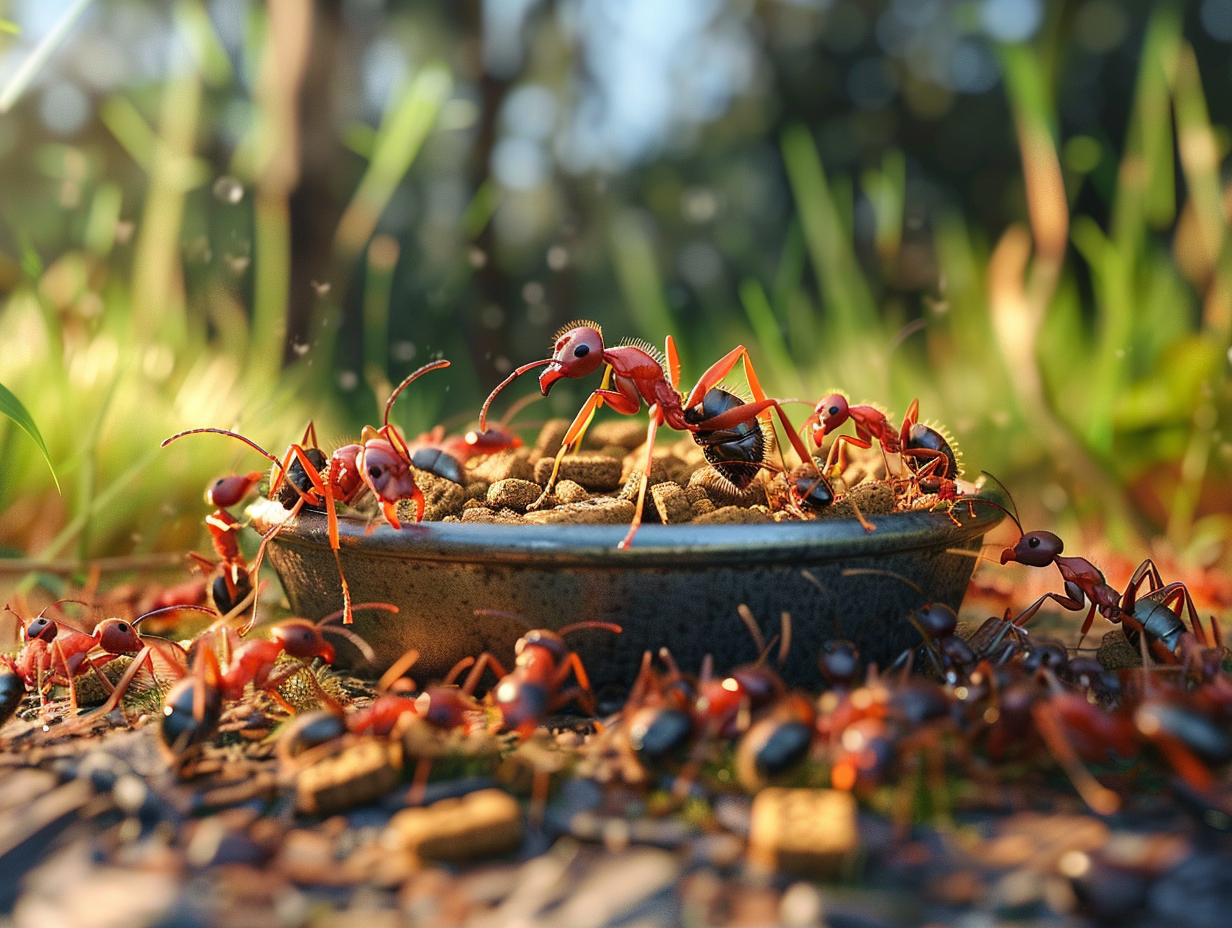
Is Ant-Infested Food Dangerous for Dogs?
Whether ant-infested food poses risks to dogs depends on the type of ants and any potential toxins they may carry. Generally, the most common household ants are not inherently toxic for dogs, especially when accidentally eaten in small amounts.
However, you should consider certain factors, including:
- Contamination: Ants might carry bacteria and other contaminants, which can transfer to your dog’s food. This contamination is typically minor in most cases, but it could lead to digestive issues such as vomiting or diarrhea.
- Allergic Reactions: Although rare, some dogs can get an allergic reaction to ant bites. It can result in symptoms such as swelling, hives, excessive licking, whining, etc. If the ant bite leads to anaphylaxis, it will result in severe signs such as vomiting, respiratory distress, weakness, etc. In such cases, you should immediately take your dog to a veterinarian.
- Digestive Distress: Eating a lot of ants can also cause digestive distress in dogs. Symptoms may include vomiting, diarrhea, or abdominal discomfort.
The above reasons highlight why it's important to address any ant infestations in dog food promptly. It is recommended that you remove the ants from the food or throw it away to prevent any unforeseen situation.
Furthermore, if your dog has accidentally eaten food containing ants, observe them for any signs of illness. If you notice something unusual, you should contact a veterinarian immediately.
4 Ways How to Keep Ants Out of Pet Food For Good!
Keeping ants out in the first place is a more favorable option and there are some preventative measures you can take to help keep ants out forever. Here are a few steps to help you get started:
1. Create a Barrier
You can create a barrier by applying a thin layer of petroleum jelly around the potential entry points or the base of the dog food container. This method is effective because ants find navigating through the jelly's sticky texture challenging.
However, if this sounds messy, you can also draw a chalk line around the pet food bag. The calcium carbonate in chalk deters ants, disrupting their trails and preventing them from reaching the food.
2. Use Air Tight Containers
A properly sealed, airtight container can also create a barrier that keeps the ants out. This secure seal prevents ants from detecting and accessing the dog’s food, ensuring that your pet’s food stays fresh for an extended period.
3. Sprinkle Some Diatomaceous Earth
Diatomaceous Earth is a commonly used pesticide made from the fossilized remains of aquatic organisms. It’s safe for humans and dogs but contains abrasive microscopic particles that can quickly kill pests, including ants.
You will need to buy the food-grade version of Diatomaceous Earth and sprinkle it around any identified ant trails or your dog’s food bag. It’ll help eliminate the ant colony and keep your dog’s food safe.
4. Clean Regularly
Uncleaned areas in a home always attract pests. If you accidentally spill some food around the food bag, it’ll draw the attention of the ants and motivate them to seek out the food source. Therefore, it’s important to maintain a clean space, especially where the pet food is stored or served.
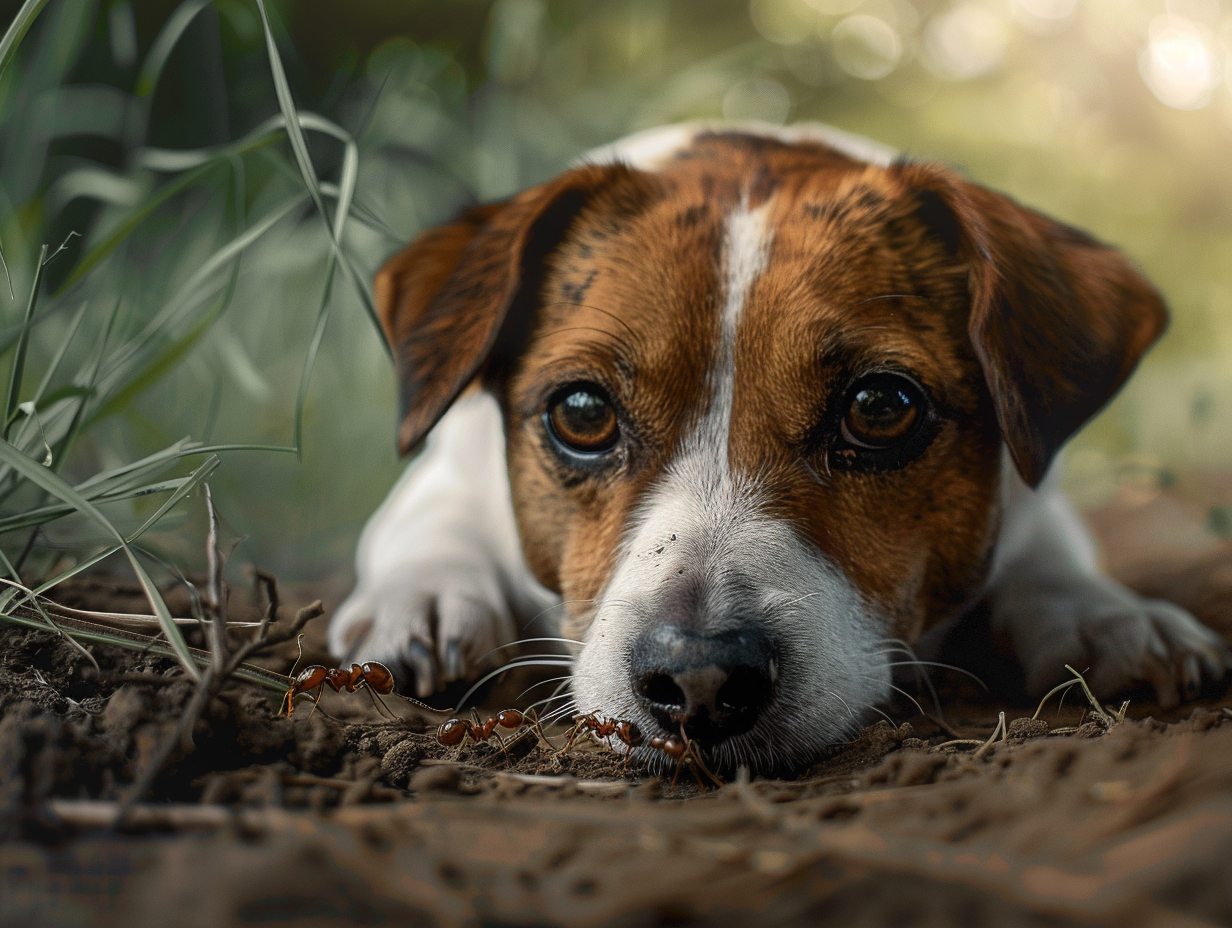
Summing Up: How to Get Ants Out of Dog Food?
You can remove ants from your dog’s food, but it requires time and patience. The three strategies we recommended—cornstarch, peppermint essence, or freezing the food—are all effective.
However, in addition to these strategies, you should ensure your dog’s food is properly stored to prevent ant infestation. These include storing in an air tight container, creating barriers by applying petroleum jelly around the base of the dog food container or by drawing a chalk line around the food bag.
FAQs
Let’s answer some frequently asked questions about getting ants out of dog food:
1. What attracts ants to dog food?
Ants are attracted to the smell of dog food. Leaving the container open or spilling some on the floor will draw ants and lead them to seek out the food source. That’s why it’s important to maintain a clean space, especially where pet food is stored or served, to prevent ant infestation.
2. How do you get ants out of dog food?
There are various ways to get ants out of dog food. You can sprinkle some cornstarch over the food and allow the ants to detach or freeze the food to kill the ants. You should strain the food to eliminate the ants in both cases.
Another way is to mix a few drops of peppermint essence with water and spray the mixture onto the dog food. Since ants don’t like the smell or taste of peppermint, they’ll get out of the dog food themselves. However, you must be careful when using this method because if you use too much peppermint spray, your dog might refuse to eat the food.
3. Will ants in dog food hurt the dog?
It depends on the type of ants and any potential toxins they may carry. Generally, the most common household ants are not inherently toxic for dogs, especially when accidentally eaten in small amounts.
However, ants may also carry bacteria and other contaminants that cause allergic reactions. It would result in symptoms such as swelling, hives, excessive licking, whining, etc. If this situation occurs, you should seek help from your veterinarian immediately.
4. How do I keep ants out of my dog food?
You should create a barrier around the food container by applying a thin layer of petroleum jelly or drawing a chalk line. This method disrupts the ants' trails and prevents them from reaching the food. You can also store the food in airtight containers to prevent ants from detecting and accessing the dog’s food.
You can use a food-grade version of Diatomaceous Earth to eliminate the ant colony. This commonly used pesticide is non-toxic for both humans and dogs.
Source: https://www.hepper.com/how-to-keep-ants-out-of-dog-food/


If your dog eats mouldy dog food, contact your vet immediately—even if they seem well. Some moulds produce mycotoxins that can cause vomiting, weakness, loss of appetite, tremors, loss of coordination, seizures, or liver damage. Symptoms can develop quickly, so don’t wait for them to appear.
How Does Mold Appear In Dog Food?
Mold mainly occurs when dog food is improperly stored or kept past its expiration date. Moisture, warm temperatures, or exposure to air can also encourage mold growth in dry kibble and wet dog food.
What Do You Do When a Dog Accidentally Eats Moldy Food?
If your dog has accidentally eaten moldy food, you should take prompt action to ensure their well-being. Here are a few steps to follow:
1. Contact a Veterinarian
If your dog has ingested something potentially harmful, you should consult a professional. You should also tell your veterinarian what type and amount of moldy food your dog consumes and how long it has been since it last ate it.
If you cannot contact a veterinarian, contact the
Animal Poison Control Center at (888) 426-4435.
2. Monitor for Symptoms
You should keep a close eye on your dog and keep track of any symptoms that might appear within 24-48 hours of eating moldy food. Some common symptoms of mycotoxin poisoning may include:
- Vomiting
- Diarrhea
- Agitation
- Lethargy
- Incoordination
- Tremors or seizures
- Loss of appetite
- Abdominal pain
- Elevated body temperature
In addition, a specific type of mycotoxin, aflatoxin, can affect a dog’s liver function. In such cases, you’ll notice symptoms like yellowing of the skin (jaundice), lethargy, or changes in behavior. However, these symptoms might take a few days to appear, and it might be too late for treatment.
That’s why the best action is to consult a veterinarian immediately after your dog has eaten moldy food.
3. Provide Fresh Water
While you contact your veterinarian and wait for their instructions, ensure your dog can access clean, fresh water. This will serve a dual purpose: First, it’ll help flush out toxins from the dog's body, which might help reduce the impact of moldy food. Second, it will help prevent dehydration, especially in dogs who have experienced symptoms like vomiting or diarrhea.
How to Prevent a Dog From Eating Moldy Food?
Consuming moldy food can have a severe effect on a dog’s health. That’s why taking specific proactive steps to prevent such incidents is essential. Here are some tips to help you get started:
Ensure Proper Storage
Ensure you’re storing your dog’s food properly and adhering to the storage guidelines recommended on the product packaging. Most dry dog foods should be kept in a dry place with a cool, stable temperature. The food should be kept away from moisture, heat, and excessive exposure to air, as that can trigger the growth of molds.
Our cold-pressed dog food may last longer because your dog needs less food to feel full. Airtight containers ensure that no food goes to waste.
Regular Inspections
Check your dog’s food regularly for signs of mold. If you notice unusual colors, odors, or textures, discard the food immediately.
Also, keep track of the food's expiration date, especially if you store it in a separate container rather than its original packaging.
Secure Trash Cans
Keep the trash cans in your home closed and secured to prevent your dog from scavenging for moldy or spoiled food. You can keep the trash can in a place that is less accessible to your dog and use childproof latches on the cabinet that holds it.
If you are disposing of something hazardous for your dog, try to use a secure outdoor trash can that is out of their reach.
Supervise Their Outdoor Activities
Be mindful of the places where you take your dog for walks. They might be tempted to explore places where trash is stored and consume potential hazards like moldy food or discarded items, which could pose a health risk.
Give Proper Training
Use positive reinforcement techniques such as verbal praises and treats as rewards to teach your dog various commands, especially "leave it" or "drop it." These will help discourage them from picking and consuming anything that can harm their health.
Regular Vet Check-Ups
Schedule regular veterinary check-ups to monitor your dog's overall health and well-being. This will help you address dietary concerns and get professional advice to prevent unforeseen health issues.
Summing Up: What Happens If My Dog Eats Moldy Dog Food?
Moldy food can cause severe problems for dogs. Therefore, as responsible pet owners, we want to take every precaution to store their food correctly and regularly inspect the meals for any signs of mold.
If a dog accidentally eats moldy food, you should take prompt action to prevent unforeseen circumstances. We recommend contacting a veterinarian or the Animal Poison Control Center immediately.
FAQs
Let’s answer some frequently asked questions about a dog’s health and moldy dog food:
1. Can dogs get sick from eating moldy dog food?
Yes, dogs can get sick from eating moldy dog food, as the mold may contain mycotoxins. These toxic substances can lead to various health issues in dogs.
2. What do I do if my dog eats moldy food?
If your dog has eaten moldy food, consult a veterinarian immediately. They’ll advise you on how to handle the situation based on what type and amount of moldy food your dog consumes.
3. How long after eating moldy food will a dog get sick?
You might start noticing symptoms of mycotoxin poisoning caused by eating moldy food within 24-48 hours. The initial symptoms may include vomiting, diarrhea, agitation, lethargy, tremors, incoordination, seizures, loss of appetite, abdominal pain, and fever.
However, a specific type of mycotoxin, aflatoxin, can take a few days to show the first symptoms. That’s why it’s recommended that you consult a veterinarian immediately after your dog has eaten moldy food.
Source: https://wagwalking.com/condition/moldy-food-mycotoxins-poisoning

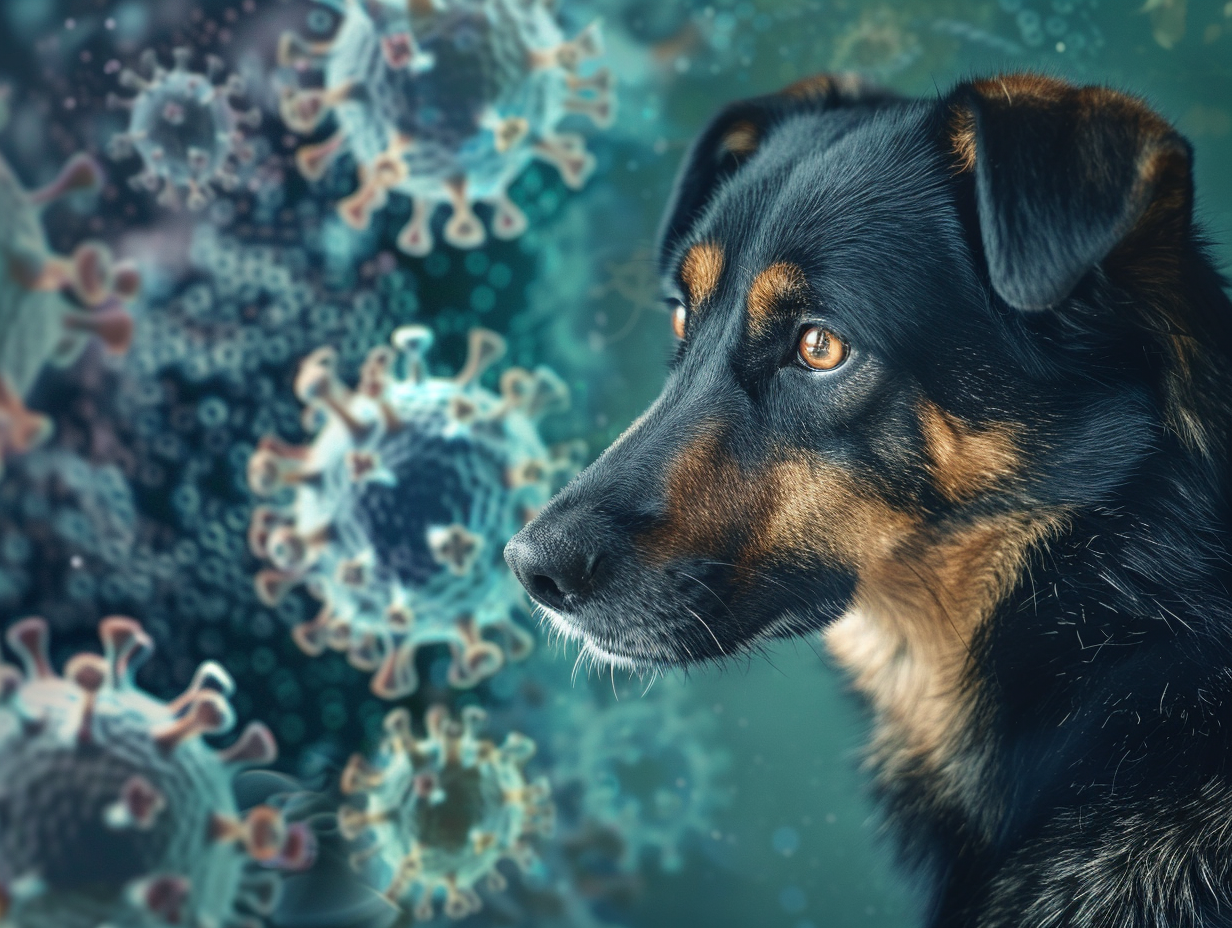
Did the vet mention giving your dog a Bordetella shot, you may be wondering what that is. The confusion is understandable. We care so much about our dogs that an unfamiliar term like “Bordetella” can spark concern.
But don’t worry - we’ve got your back.
This article will explain everything you need to know about Bordetella and how it affects a dog. We’ll cover various topics, including what Bordetella is, its symptoms, and the importance of its vaccine. This information will help you decide about your dog’s health and well-being.
What is Bordetella?
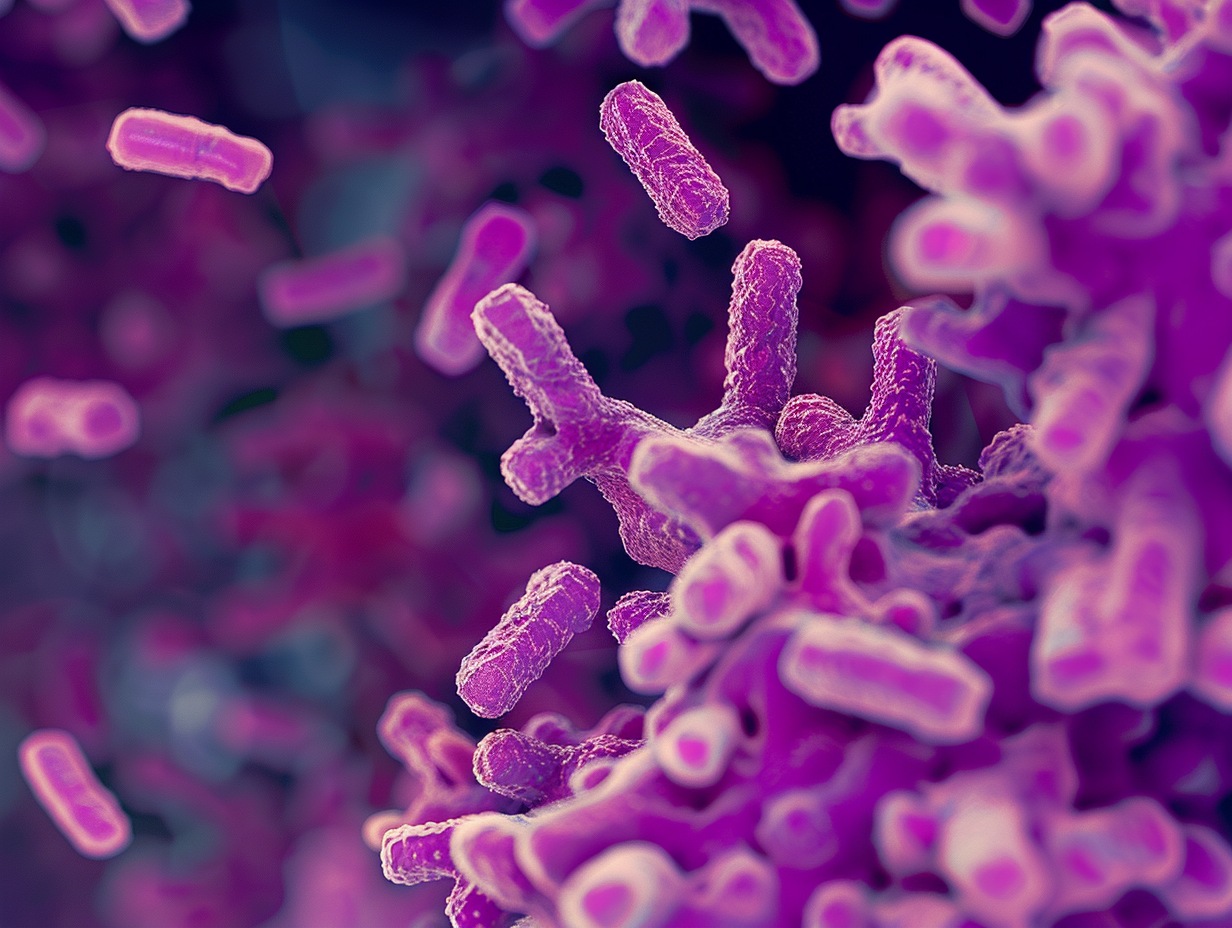
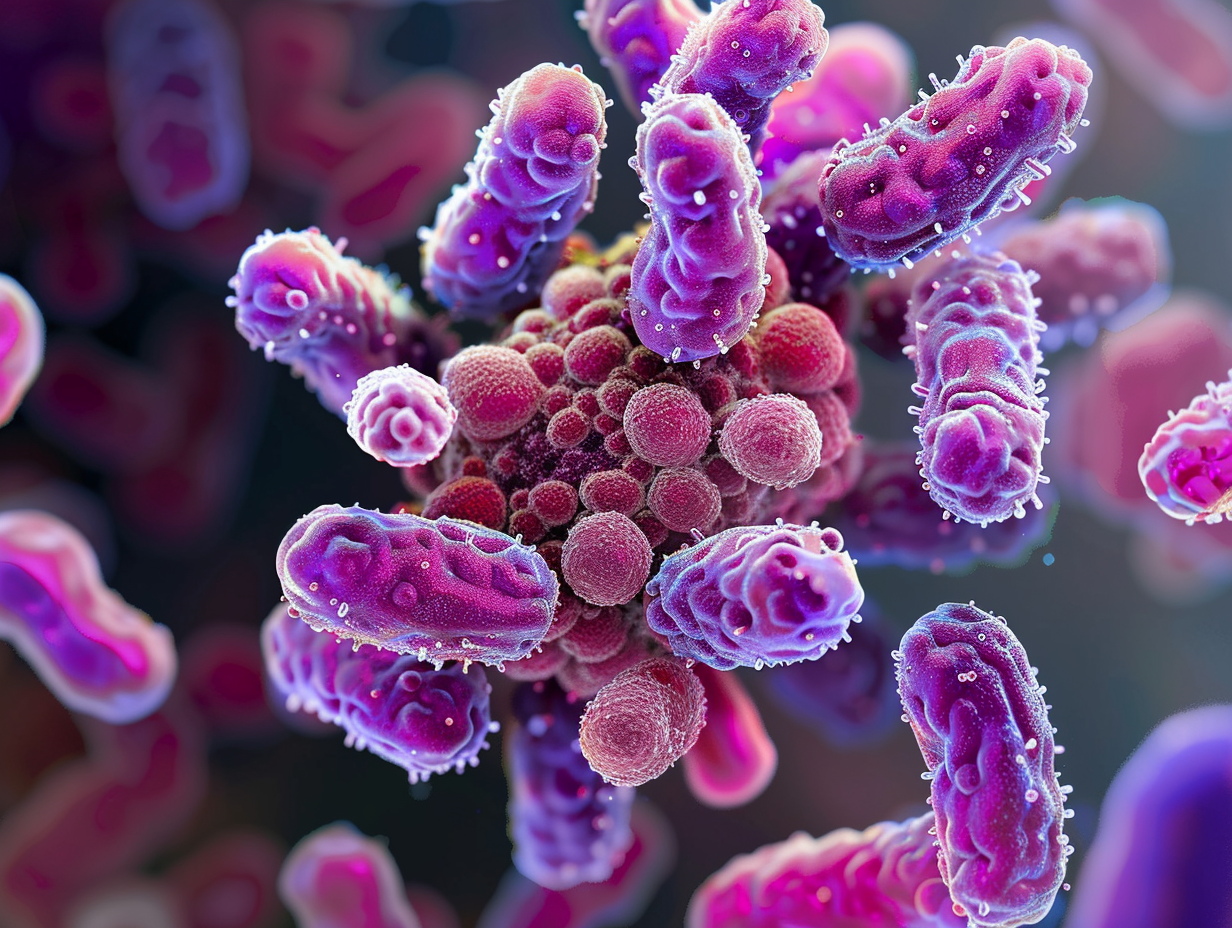
In simple terms, Bordetella is a type of bacteria that can cause respiratory infections in various species. It is also known more commonly as “kennel cough.” Bordetella bronchiseptica is the primary species of this bacteria and is explicitly associated with respiratory issues in dogs.
This bacteria is spread through airborne droplets, direct contact with infected animals, or contaminated environments. That’s why it’s more common in kennels, dog parks, grooming facilities, boarding facilities, daycares, etc.
The likelihood of a dog catching an infection by this bacterium increases under certain conditions, including:
- Colder temperatures as it provides a more favorable environment for the survival and transmission of the bacteria
- Poorly ventilated spaces as they increase the risk of exposure to the bacteria
- When a dog is in a stressful environment or experiencing other health problems that would weaken its immune system, it is more vulnerable to infections
It’s also important to note that humans can't contract Bordetella from dogs. However, since the bacteria can stay on surfaces, there’s a risk that we can transmit this bacteria from one infected dog to another. Taking proper precautions, like regularly washing and disinfecting our hands and surfaces that dogs frequently interact with can help stop the spread.
Symptoms of Bordetella Bronchiseptica
The most common symptom of Bordetella bronchiseptica is persistent coughing that sounds similar to honking. This cough is loud and harsh because it irritates the respiratory tract. It often differs from a regular cough, but the exact sound can vary among dogs.
Apart from that, some other clinical signs can accompany this respiratory infection. These may include:
- Runny nose
- Sneezing
- Loss of appetite
- Gagging
- Lethargy
- Fever
You should consult a veterinarian if your dog shows any of the above signs of a respiratory infection. Also, in such cases, it is advised to avoid taking your dog to parks or other public places until they are correctly diagnosed to prevent the spread of this infection to other dogs.
Is Kennel Cough Treatable?
Despite being highly contagious, respiratory infections caused by Bordetella are treatable. In fact, in the case of a healthy dog, the symptoms can even resolve on their own within a few weeks. Nevertheless, you should visit a veterinarian if you suspect any problems with your dog’s health.
This is especially important if you have a dog with a weakened immune system, a puppy, or an older dog. These dogs typically need extra attention and proper care to fight against Bordetella.
You should also contact your vet in advance or before visiting so that they can prepare for the visit and take necessary precautions to prevent the spread of Bordetella.
How Can You Protect Your Dog Against Bordetella?
A Bordetella vaccine is your best bet to protect your dog against the infection caused by this bacteria. This preventive measure will significantly reduce your dog's risk of contracting the illness, ensuring their well-being.
If you’re unsure when or if your dog needs this vaccine, talk to your veterinarian. They can better advise you based on your dog’s lifestyle and health condition.
You can also take the following preventive measures to protect your dog against Bordetella:
- Regularly wash and disinfect your hands
- Regularly clean and disinfect your dog’s water bowls, food bowls, toys, and bedding
- Minimize your dog's exposure to crowded, unsanitary, or unfamiliar places
- Provide them with a healthy and nutritious diet that supports their immune health
- Practice proper grooming and hygiene practices
- Schedule regular veterinary check-ups
Summing Up
Bordetella, also known as kennel cough, is a common and highly contagious bacteria that leads to respiratory infections in dogs. It can spread through airborne droplets, direct contact with infected dogs, or contaminated environments.
However, you can take preventive measures, including vaccinations, to reduce your dog's risk of contracting this infection. This is especially important if you have a dog with a weakened immune system, a puppy, or an older dog who needs extra care.
Remember that respiratory infections caused by Bordetella are treatable, but you should visit a veterinarian to ensure your dog gets proper treatment.
FAQs
Let’s answer some frequently asked questions about Bordetella in dogs:
What is Bordetella in dogs?
Bordetella is a type of bacteria, with Bordetella bronchiseptica being the primary species. It’s known for causing respiratory infections in dogs.
How do dogs get Bordetella?
Bordetella is highly contagious and can spread through airborne droplets, direct contact with infected dogs, or contaminated environments. It’s common in places where dogs gather closely, such as kennels, dog parks, grooming facilities, boarding facilities, and daycares.
What is the Bordetella vaccine for dogs?
The Bordetella vaccine protects dogs against respiratory infections caused by Bordetella bronchiseptica. It’s a preventive measure that significantly reduces their risk of contracting the illness.
You should consult your veterinarian to know more about this vaccine and its importance. They’ll help you determine whether your dog needs it based on their lifestyle and health condition.
Is Bordetella in dogs treatable?
Yes, Bordetella in dogs is treatable. In fact, in a healthy dog, the symptoms can even resolve independently within a few weeks. Nevertheless, it’s always advisable to visit a veterinarian if you suspect any problems with your dog’s health. This is especially important if you have a dog with a weakened immune system, a puppy, or an older dog that needs extra care.
Sources:
https://www.dutch.com/blogs/dogs/bordetella
https://www.akc.org/expert-advice/health/bordetella-vaccine-dogs/

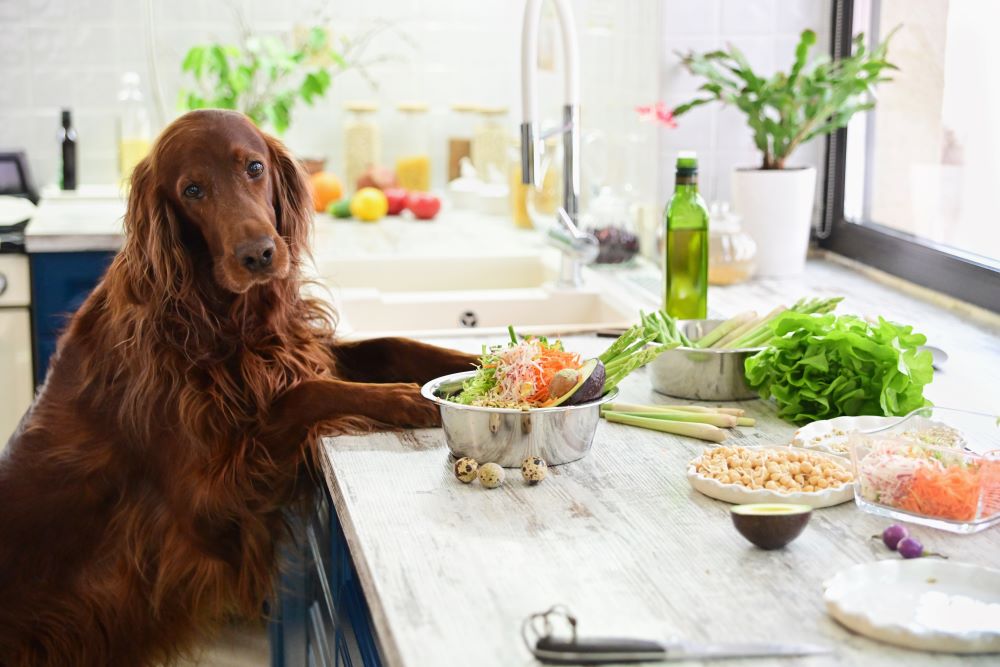
Who among us can resist the soulful gaze of our canine companions? Those big, round eyes have a special way of melting hearts, especially during meal times. They seem to have perfected the art of persuasive staring, especially when they're angling for a bite of our food. Despite the temptation, it's important to remember that indulging them with table scraps isn't the healthiest choice. Our dogs are much better off with specialized,
nutritious dog food.
Dogs, with their innate curiosity and love for food, are naturally drawn to us during our meals. It’s common to find them eagerly anticipating any morsels that might fall their way. When accidental treats don't materialize, they often resort to those irresistibly pleading looks, silently begging, "Feed me!"
Resisting these adorable entreaties, however, is important for several reasons. If you’re wondering why, let’s delve into some insights about dogs and human food.
The Digestive Dilemma of Table Food
Dogs have a different digestive system than humans, with unique nutritional requirements. Dog food is specifically formulated to cater to these needs, while many foods humans eat aren’t suitable for dogs. Regularly feeding your dog table food can lead to various health issues, including digestive discomfort, vomiting, and in severe cases, conditions like pancreatitis.
Nutritional Imbalance and Table Food
It's understandable why dogs would covet our meals; they love variety and flavor. But table food is designed for human nutrition and often falls short in meeting a dog's dietary needs. Relying heavily on table scraps can lead to nutritional deficiencies and weight gain in dogs.
Hidden Dangers in Human Foods
Beyond nutritional and digestive concerns, some common human food ingredients are outright toxic to dogs. Favorites like chocolate, grapes, garlic, and onions can cause serious health issues for our canine friends. Sticking to high-quality dog food eliminates the risk of accidentally feeding these harmful substances.
The Risk of Picky Eating Habits
There's also the risk that a dog fed too much table food might become a picky eater, shunning even the highest quality dog foods in favor of human meals. This can lead to a frustrating cycle of begging and selective eating.
Moderation and Exceptions
This doesn't mean that all table food is off-limits. Occasional treats like bits of unseasoned fish, chicken, or certain fruits and vegetables can be fine in moderation. The key is not to let table scraps constitute a significant part of your dog's diet. And always ensure that any human foods you do share are safe for canine consumption.
Remember, while treating your pet with dog-safe table scraps occasionally is okay, maintaining a diet of high-quality,
gut-friendly dog food should be the priority. If you're ever unsure about what to feed your dog, consulting with a veterinarian is always a wise decision. This way, you can enjoy those endearing, pleading stares without compromising your furry friend’s health.
When it comes to cold-pressed dog food, ensure your dog is getting their nutritional needs met by choosing Nextrition.